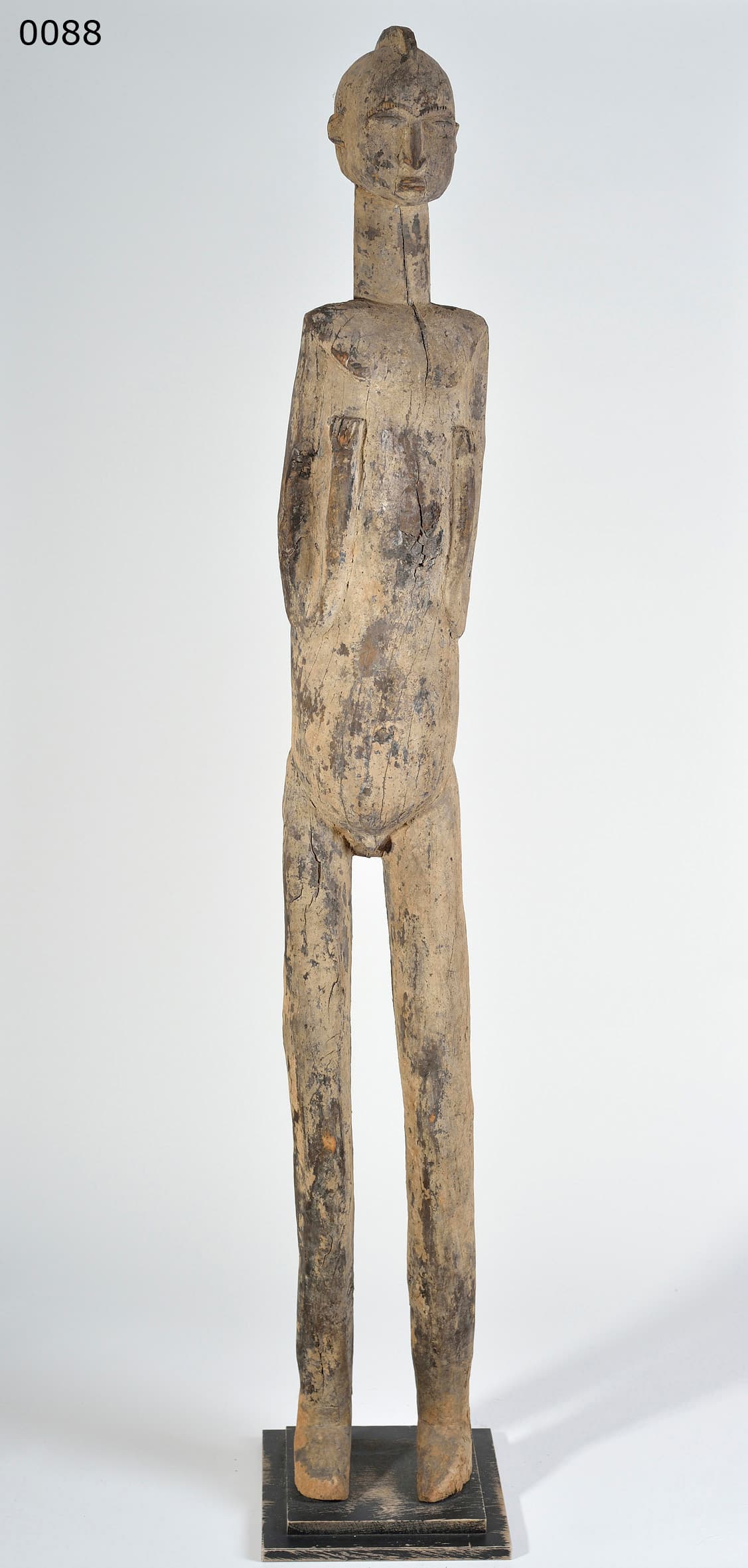
This austere, standing wooden figure is carved with strict verticality, featuring stiff arms resting at its sides, a slightly swollen abdomen, and a somber, blocky face with a prominent, geometric brow line. The dense hardwood exhibits a beautifully smooth, dark brown, aged handling patina.
1. Aesthetic style — the stiff melancholy of Lobi Bateba
This figure perfectly encapsulates the highly recognizable Lobi aesthetic, which is defined by an austere, unadorned, and almost melancholic rigidity. Unlike neighboring tribes that heavily decorate their figures with scarification or intricate hair, the Lobi sculptor strips the human form down to its most essential, vertical architecture. The blocky, protruding forehead, the pursed lips, and the rigidly straight arms project a sense of intense, watchful vigilance, creating a sculpture that feels less like a portrait of a human and more like a physical manifestation of a silent, unblinking guard.
2. Ritual function — the thil and the living statues
In Lobi animism, these statues are known as Bateba, and they are not mere representations of ancestors — they are considered living entities. They are the physical agents of the Thil (invisible, powerful nature spirits). When a community or individual is plagued by witchcraft, disease, or misfortune, a diviner dictates the creation of a Bateba. Once placed in the dark, interior shrine of a Lobi household, the figure actively works on behalf of the family, physically fighting off invisible witches, absorbing illness, and enforcing the strict moral laws laid down by the spirits.
3. Physical patina — smoke patination and intimate handling
The surface of this Bateba is a sublime example of genuine shrine aging. Because these figures were kept inside small, windowless rooms where cooking fires burned constantly, the dense tropical hardwood has absorbed decades of atmospheric soot, resulting in a deep, lustrous, dark-brown oxidation. The smooth, glass-like finish on the high points of the shoulders, the brow, and the belly is the unmistakable result of years of intimate human handling, anointing, and ritual care, giving the stark carving the character of a deeply venerated historical object.
Summary
A classic embodiment of Burkinabe minimalism, this Lobi Bateba projects the intense, silent vigilance required of a traditional spirit guardian. Its stark architectural form and rich, smoke-darkened handling patina are consistent with notable examples of West African sculpture.
Written with AI assistance from the collection appraisal, object photography and our own research; editorially reviewed. Mistakes are possible — corrections are welcome. How we work →
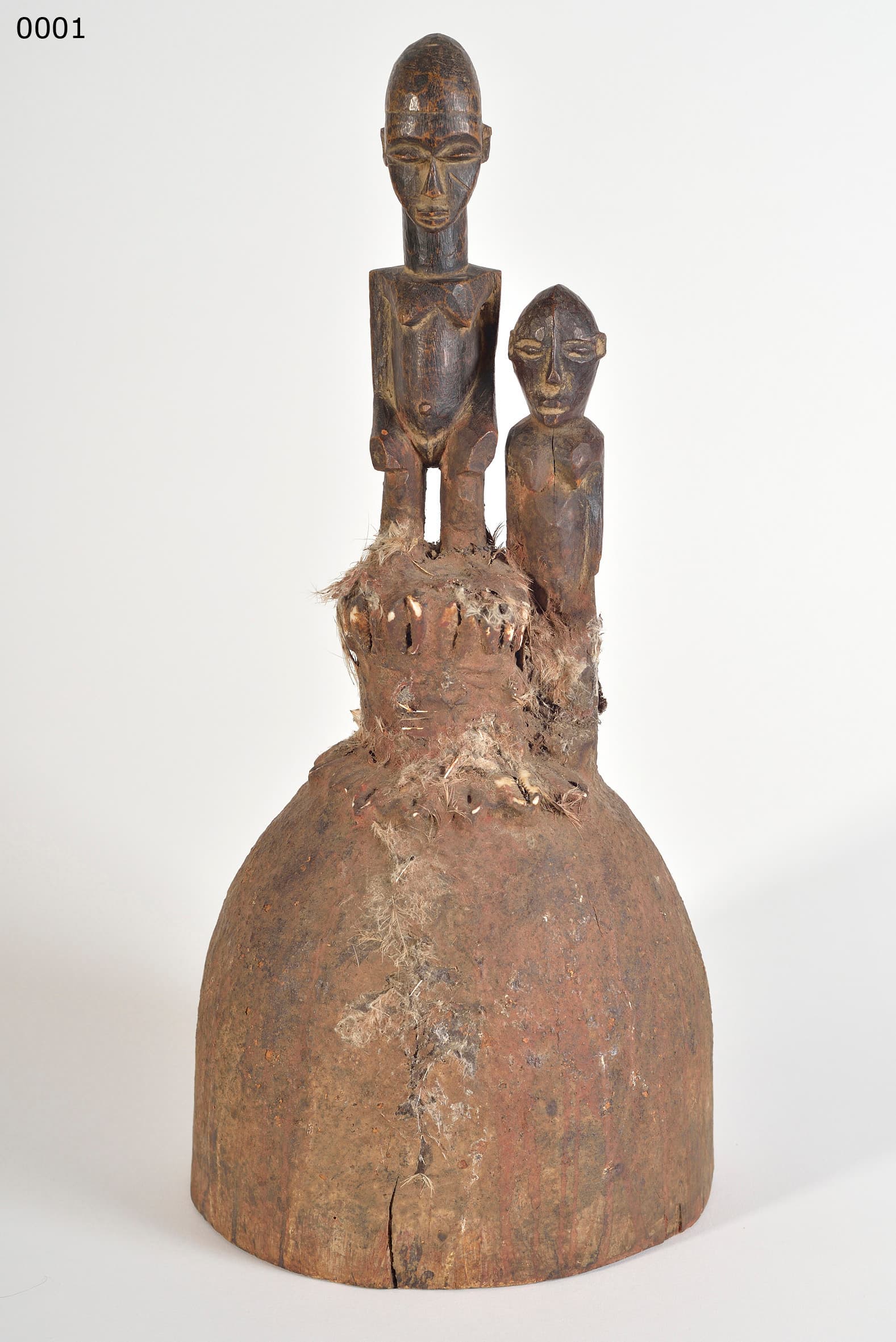
shrine altar with BATEKE couple
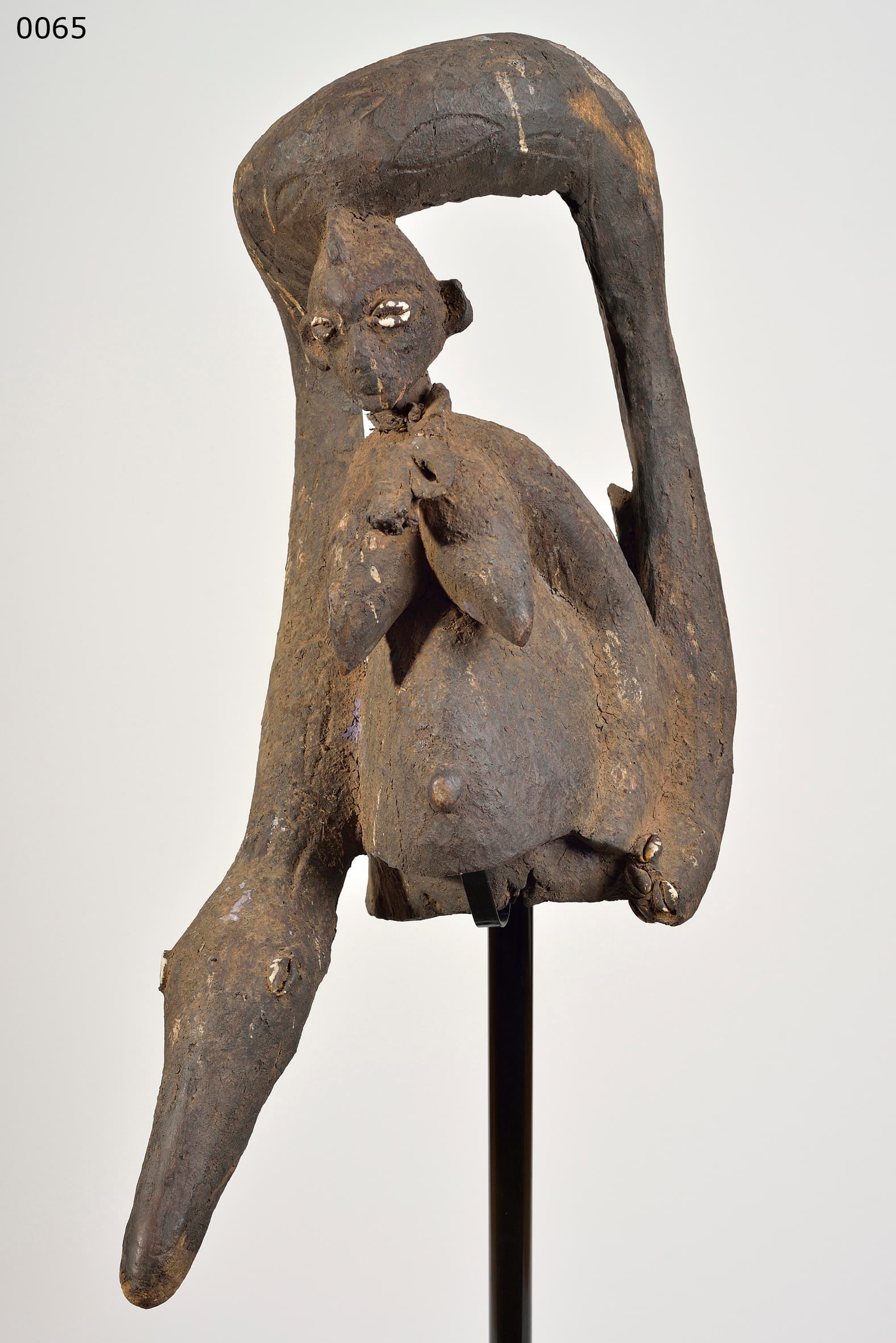
rare head crest mask
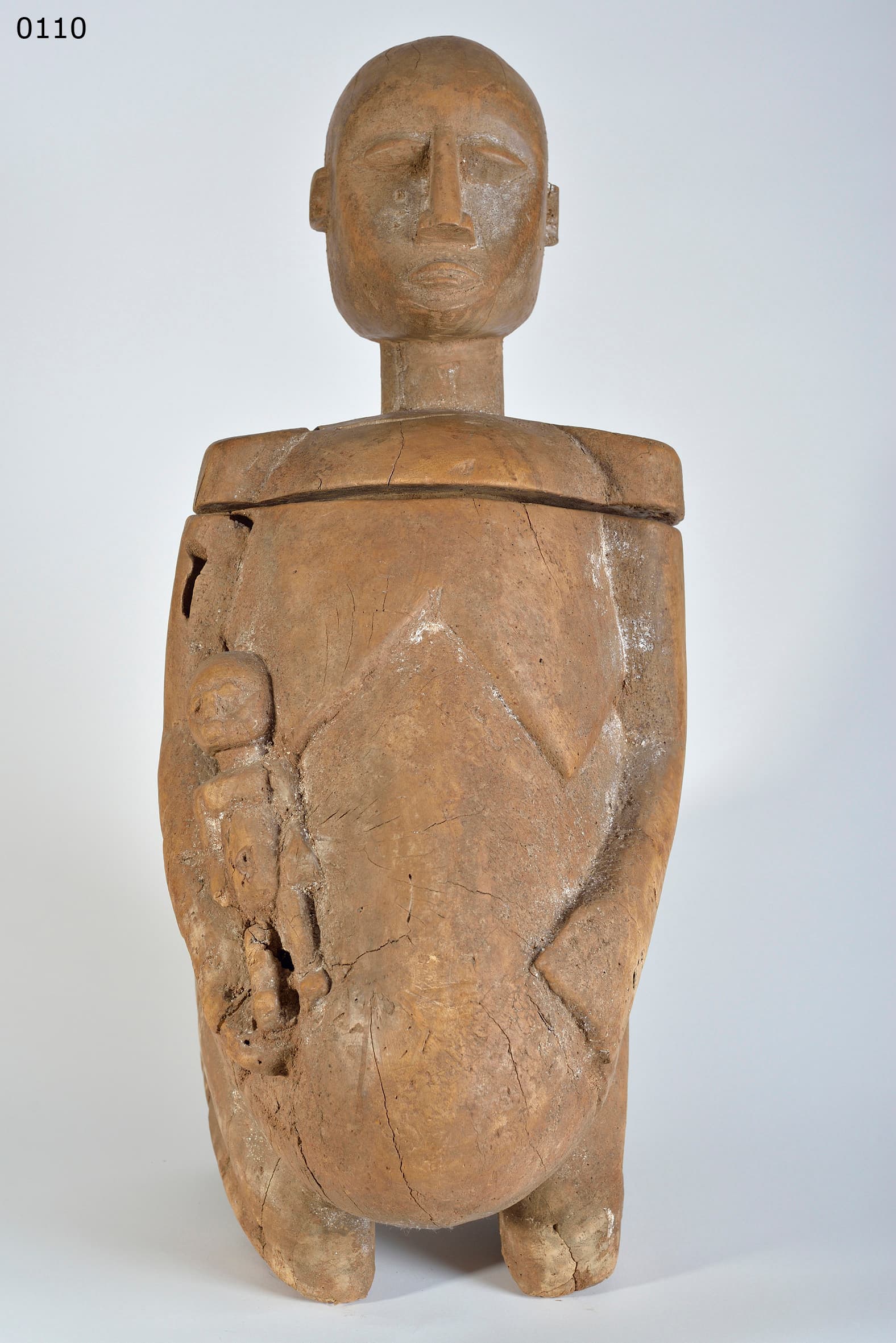
shrine figure representing a BATEBA spirit (unusually tall, rare)