This heavily weathered wooden figure stands rigidly with her arms raised upward and outward, featuring a stark, minimally carved face and a prominent, slightly swollen abdomen. The wood is severely desiccated, exhibiting a dry, ash-grey patina with deep longitudinal fissures and worn, softened edges.
1. Aesthetic style — kinetic abstraction of the Bateba ti bala
This figure belongs to a highly specific and expressive sub-category of Lobi statuary known as Bateba ti bala, or figures with raised arms. The Lobi carver has brilliantly broken the strict, passive verticality typical of Burkinabe statuary to convey sudden, explosive movement. The arms are thrust upward in a dramatic "V" shape, transforming the otherwise stiff, minimalist female body into an architecture of active, kinetic defense. The stark, unadorned carving style focuses entirely on this dramatic gesture, emphasizing spiritual action over physical portraiture.
2. Ritual function — apotropaic guardians of the thildu
In the deeply animistic world of the Lobi, the thildu is the dark, secret shrine room of the family compound, housing the protective spirits known as Thil. This Bateba ti bala acts as a living, supernatural bodyguard for the family. The raised arms signify that the spirit within the wood is actively fighting off invisible threats — blocking witchcraft, intercepting disease, or catching malevolent spells before they can strike the human inhabitants of the home. It is a physical manifestation of psychological defense and spiritual warfare.
3. Physical patina — extreme desiccation and sahelian weathering
The aesthetic power of this piece is vastly amplified by its extreme taphonomic degradation. Over decades, the hardwood has completely surrendered its internal moisture, resulting in deep, organic shrinkage cracks that run vertically through the torso and face. The surface lacks any applied polish; instead, it features the stark, ash-grey oxidation of wood that has been exposed to the harsh, dry winds and extreme temperatures of the West African Sahel. This profound, natural weathering is a testament to its genuine age and historical deployment in a traditional Lobi shrine.
Summary
A dramatic embodiment of active spiritual defense, this Lobi Bateba ti bala utilizes an explosive, raised-arm gesture to ward off malevolence. Its extreme, ash-grey desiccation and deep weathering make it a striking, highly authentic artifact of Burkinabe animism.
Written with AI assistance from the collection appraisal, object photography and our own research; editorially reviewed. Mistakes are possible — corrections are welcome. How we work →
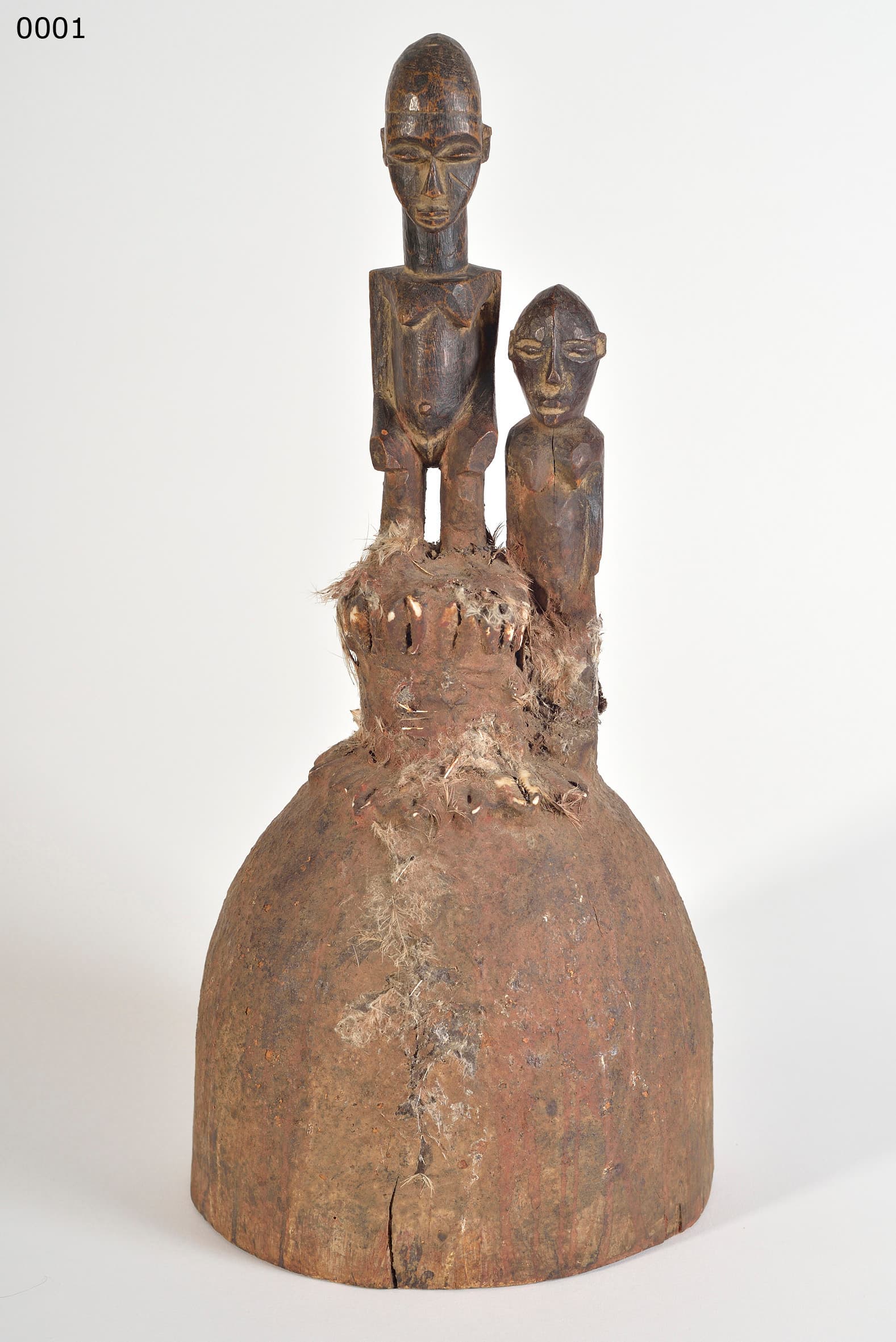
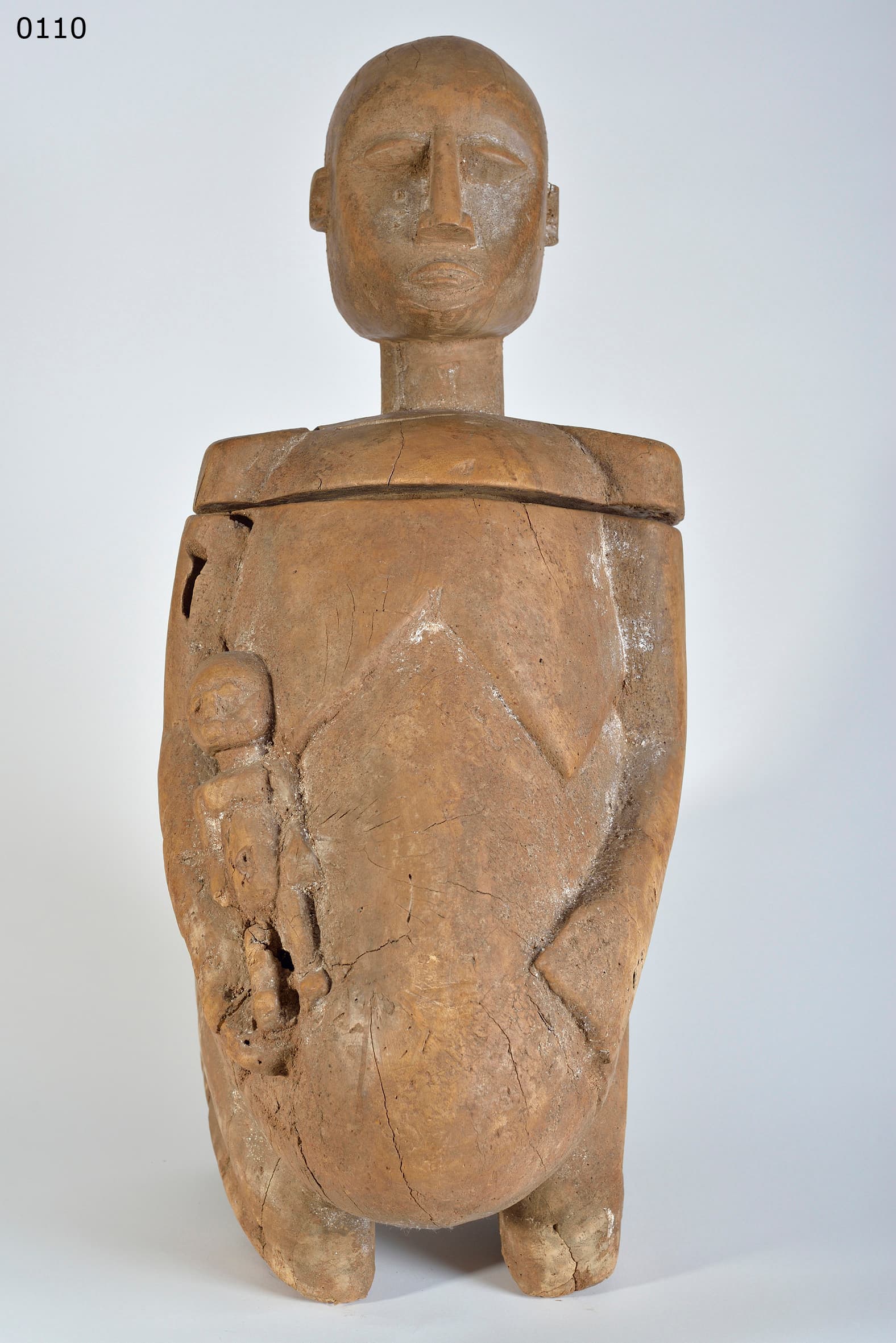
shrine altar with BATEKE couple
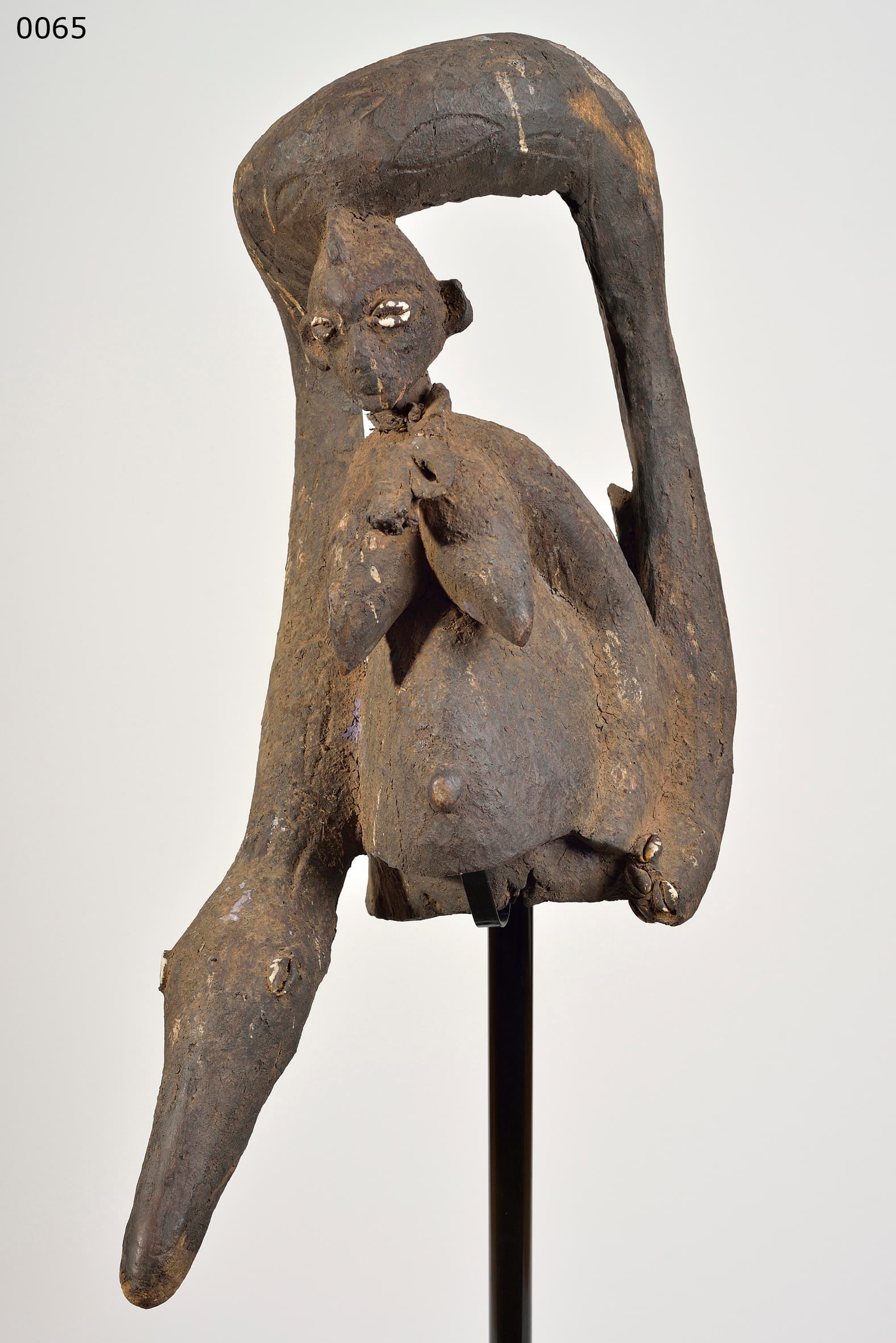
rare head crest mask
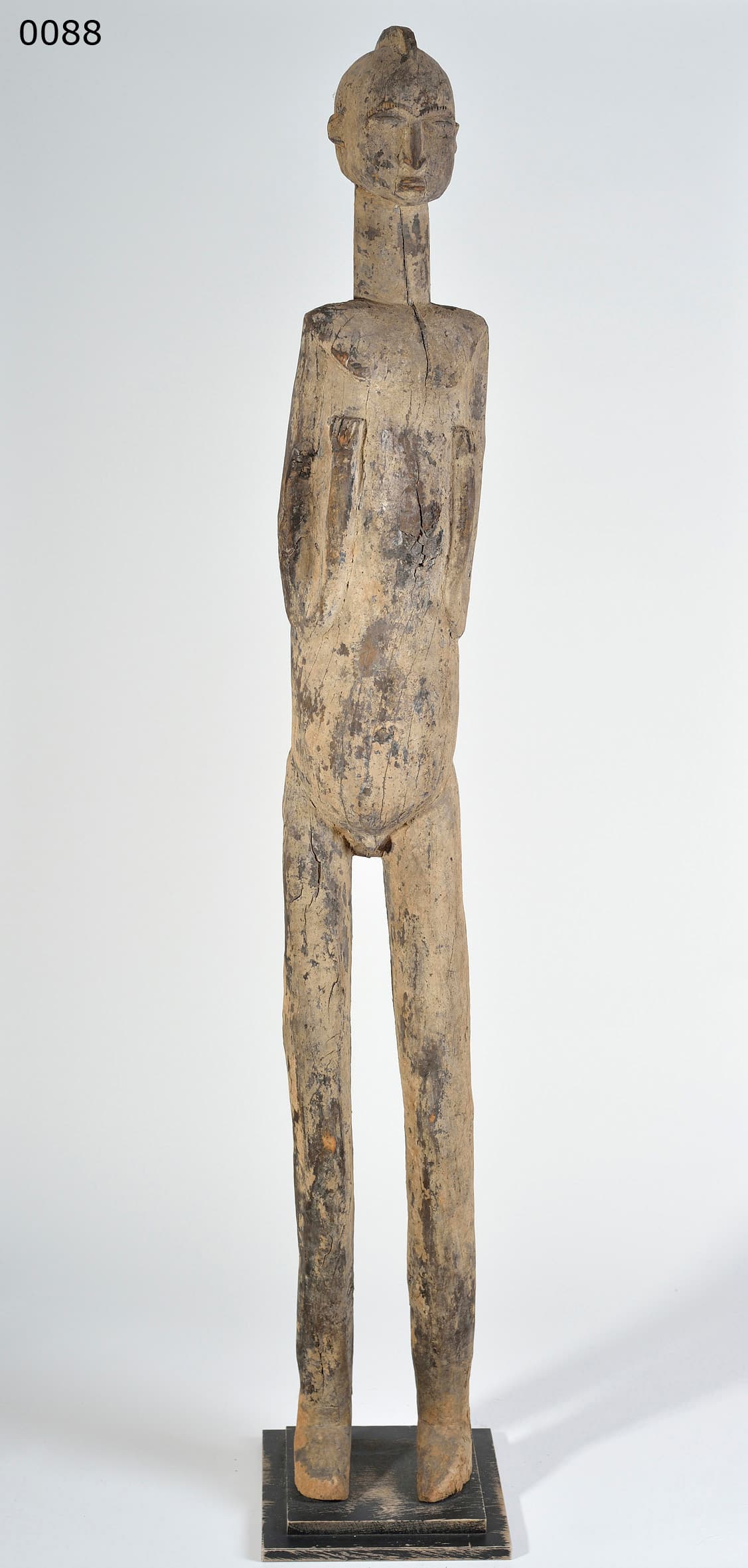
shrine figure representing a BATEBA spirit (unusually tall, rare)