This diverse grouping of forged iron figures ranges from tall, highly abstract, stick-like silhouettes (Nr. 528) to more detailed depictions of a seated chief smoking a pipe (Nr. 527), a maternity family group (Nr. 526), and a female holding a bowl (Nr. 525). The iron across all the figures shares a uniform, deeply pitted, dark brown, and crusty oxidized rust patina.
1. Aesthetic style and regional traits
These figures represent the fascinating translation of Lobi wooden Bateba aesthetics into forged metal. Lobi blacksmiths utilized a rapid, hot-forging technique, resulting in a linear, wire-like abstraction that prioritizes dynamic posture and silhouette over fine anatomical detail. The bodies are stretched and stylized, with the iron twisted to suggest limbs and attributes (such as the pipe or the child). This minimalist, heavy-iron aesthetic projects an aura of impenetrable defense, perfectly suited to the harsh, unforgiving environment of Burkina Faso.
2. Ritual function and secret society context
Like their wooden counterparts, these iron figures serve as intermediaries for the thila (nature spirits) within the Lobi thil-du (shrine rooms). However, iron holds its own innate, terrifying spiritual power (nyama). Iron Bateba are considered exceptionally powerful lightning rods for malevolent magic, capable of physically striking back against witches. The different postures denote specific requests to the spirits: the maternity figure seeks fertility, the bowl-bearer seeks agricultural bounty, and the seated chief is traditionally associated with patriarchal authority and protection over the lineage.
3. Physical patina and surface characteristics
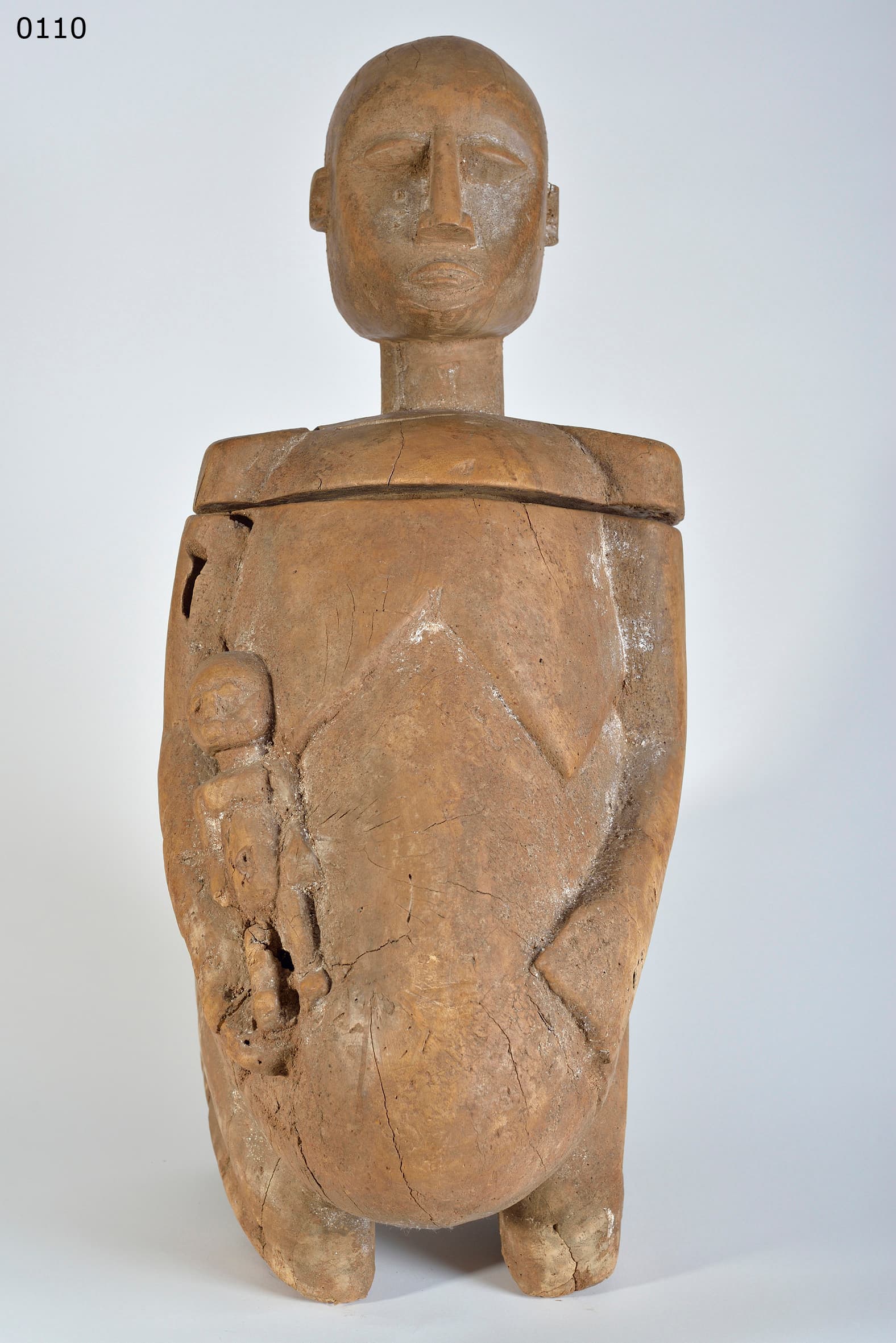
The consistency of this grouping is supported by the heavy metallurgical decay across the pieces. The iron exhibits a thick, granular crust of deep-brown magnetite rust, with severe pitting along the edges of the original forging. There are no apparent signs of modern wire brushing or acid-dipping; the surfaces retain a dusty, undisturbed rust profile consistent with objects that have remained on damp, earthen altars for a significant period.
Summary
This grouping of Lobi iron altar figures provides a representative overview of Burkinabe spiritual blacksmithing. Their stark, wire-like abstraction and deeply pitted rust patinas are consistent with their traditional role as protective figures within the Lobi household.
Written with AI assistance from the collection appraisal, object photography and our own research; editorially reviewed. Mistakes are possible — corrections are welcome. How we work →
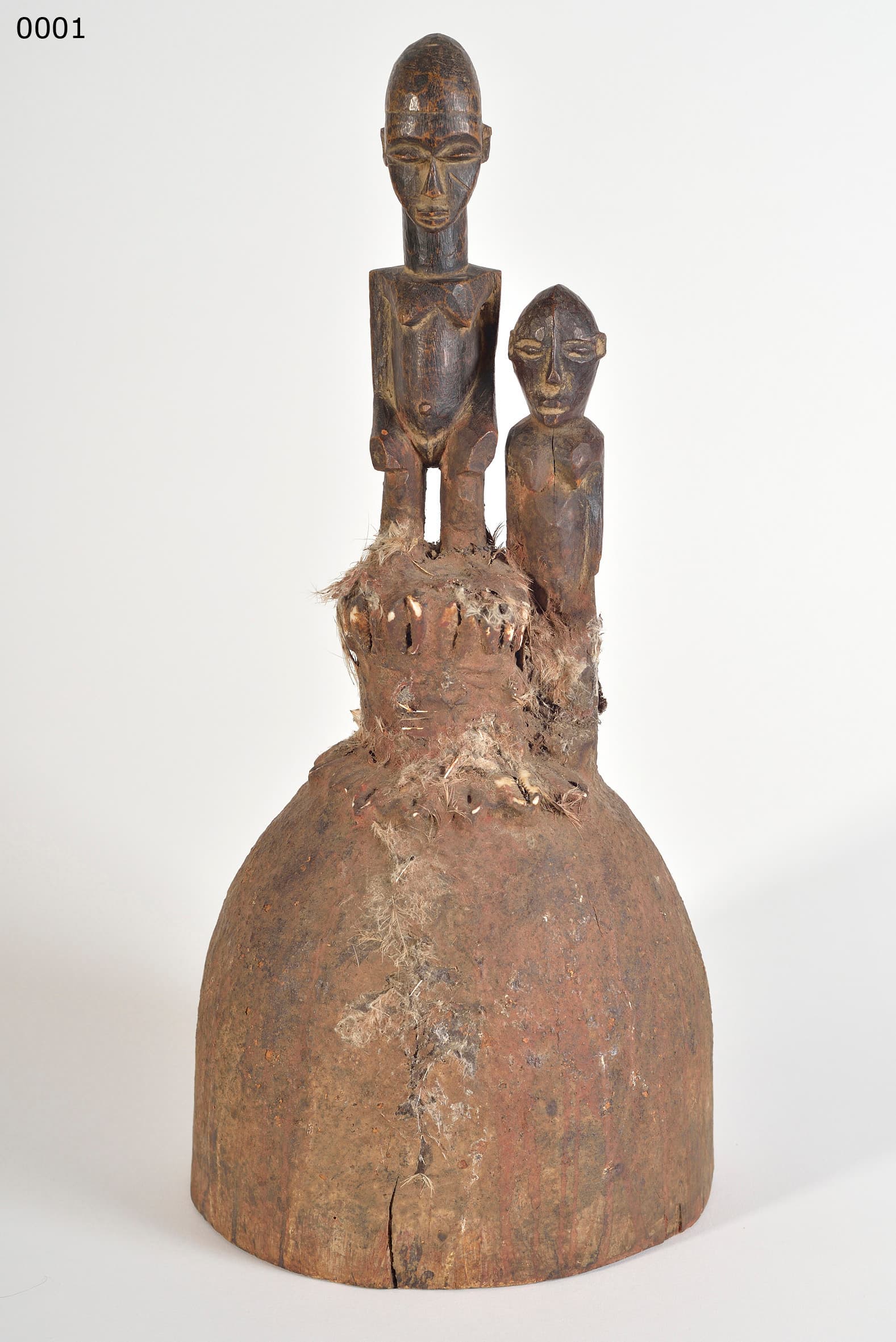
shrine altar with BATEKE couple
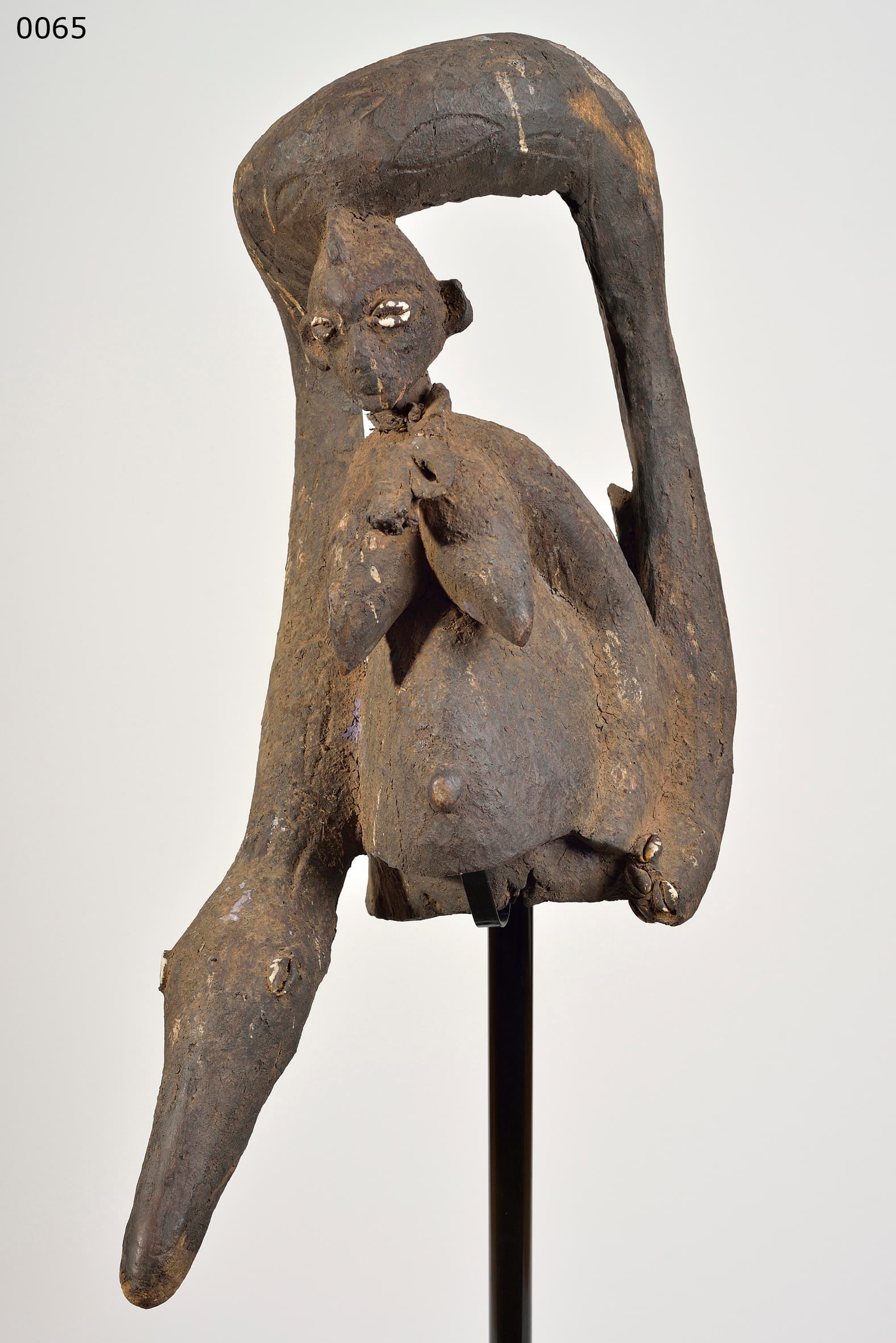
rare head crest mask
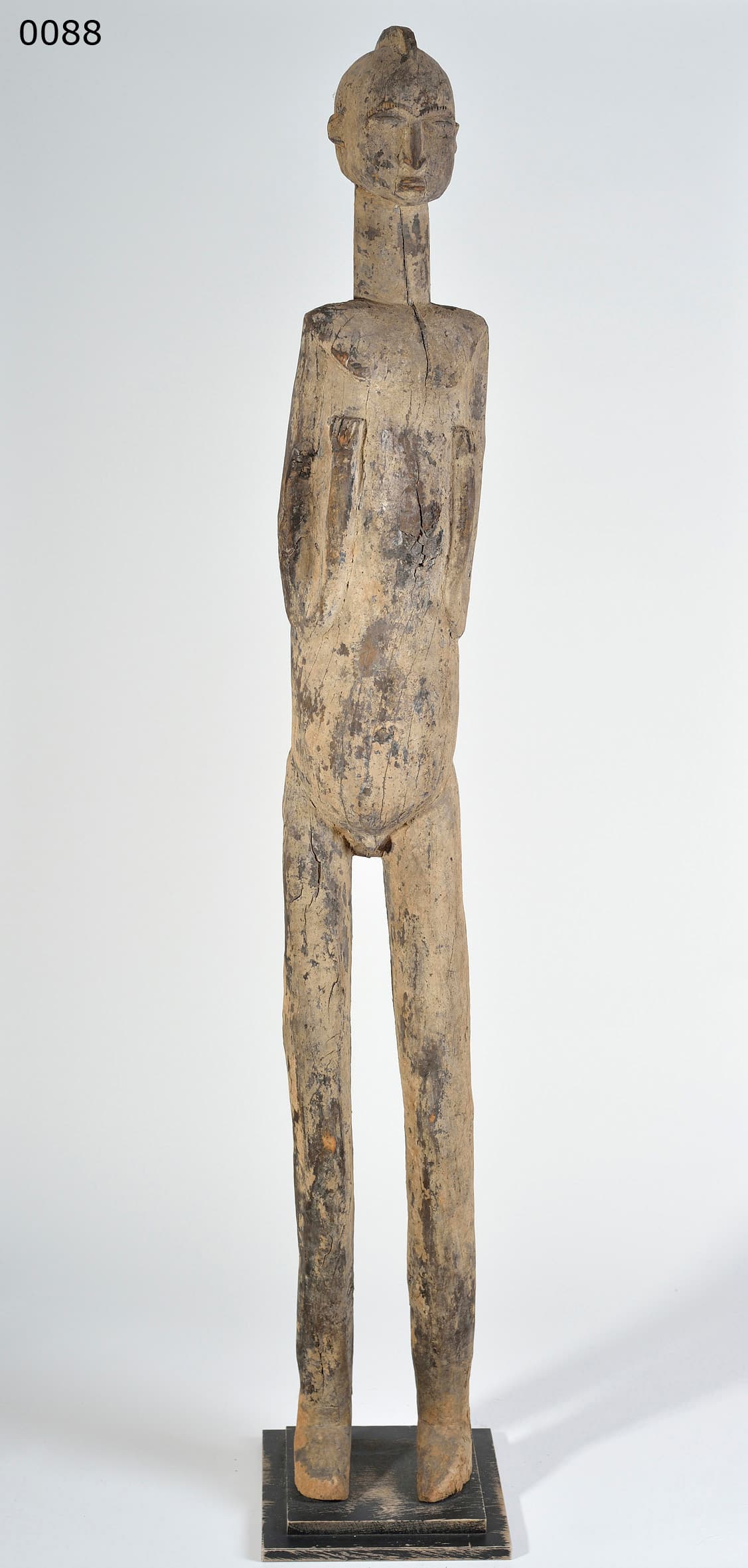
shrine figure representing a BATEBA spirit (unusually tall, rare)