A classic Teke wooden figure with a distinctive crested coiffure and fine vertical facial scarifications, featuring a barrel-shaped torso that previously held a magical charge, displaying a dark, deeply aged, and encrusted patina.
1. Aesthetic style and regional traits
This figure exhibits characteristic features of Teke artistry from the Congo Republic. The face is adorned with finely incised parallel, vertical scarifications (mabina), and the head is topped with a distinctive, crested, helmet-like hairstyle denoting high societal rank. The angular, bent-knee posture projects a sense of readiness and latent energy — a Teke iconographic signature that distinguishes its power figures from the rigidly upright posture favored by neighboring Kongo traditions.
2. Ritual function and the mechanics of the buti
In Teke culture, a carved wooden figure is considered an empty shell until it is empowered by an Nganga (ritual specialist). The cylindrical, uncarved torso was designed to be packed with a sacred clay and botanical mixture called bilongo, turning the carving into a buti (power object). Although the charge has eroded or been removed over time, the modified cavity remains as testament to its function in healing, social control, or protection. The visible cavity here is itself documentary — suggesting the figure entered ritual service and was activated rather than carved as a decorative or for-sale piece.
3. Physical patina and age indicators
The most significant aspect of this figure's history is its publication in the text "BATEKE" (page 366). This publication history places the piece within scholarly literature and provides a documentary reference for its history. Coupled with its deep, dark, and highly oxidized patina, consistent with a 19th-century origin, the figure stands as a documented example of Central African power sculpture. The patina's depth and integration with the wood substrate is consistent with multi-generational shrine tenure rather than recent surface treatment.
Summary
A documented Teke power figure that illustrates the region's characteristic facial scarification and ritual mechanics. Its publication history and deep patina, consistent with a 19th-century age, support its significance within the corpus of Central African art.
Written with AI assistance from the collection appraisal, object photography and our own research; editorially reviewed. Mistakes are possible — corrections are welcome. How we work →
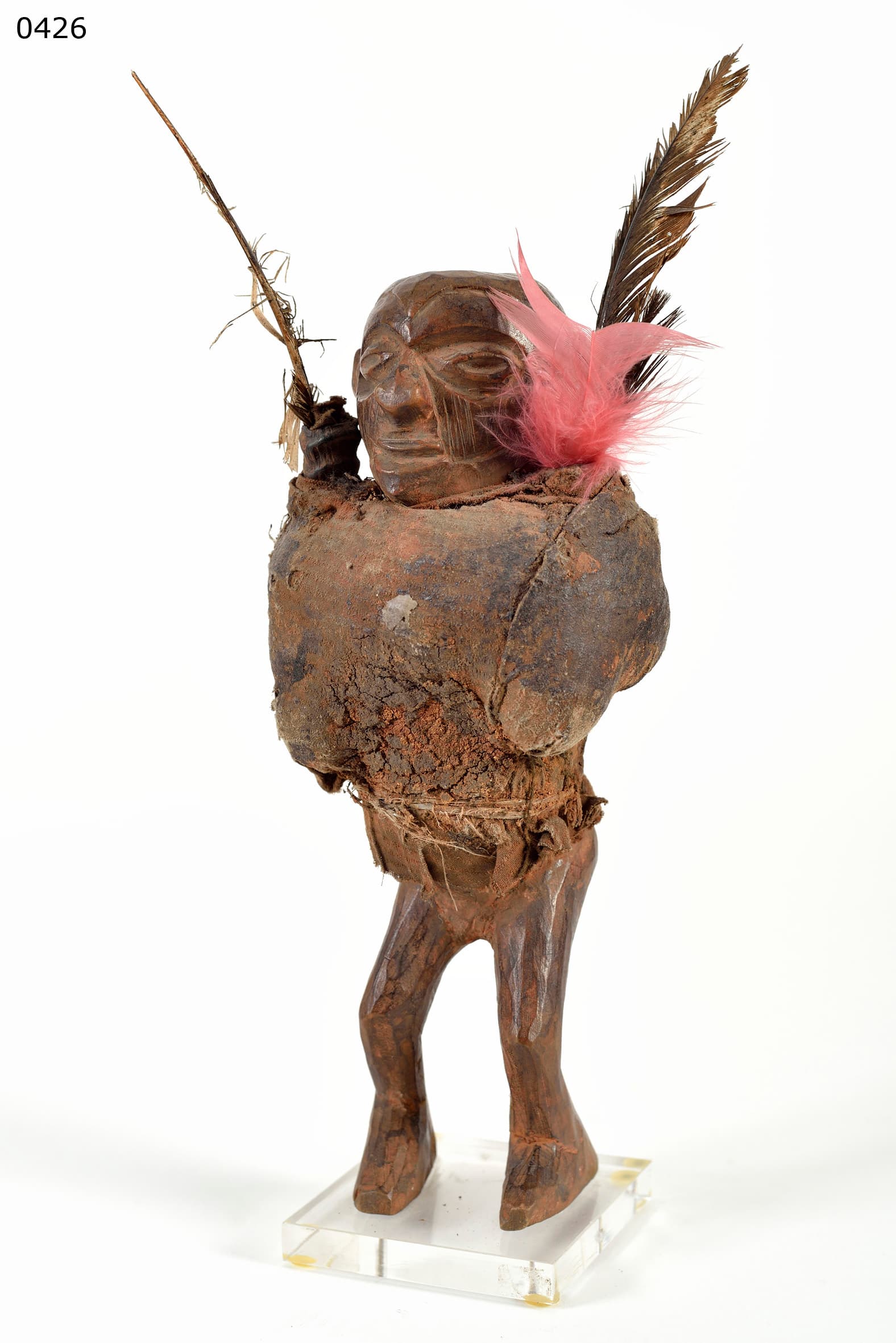
power figure
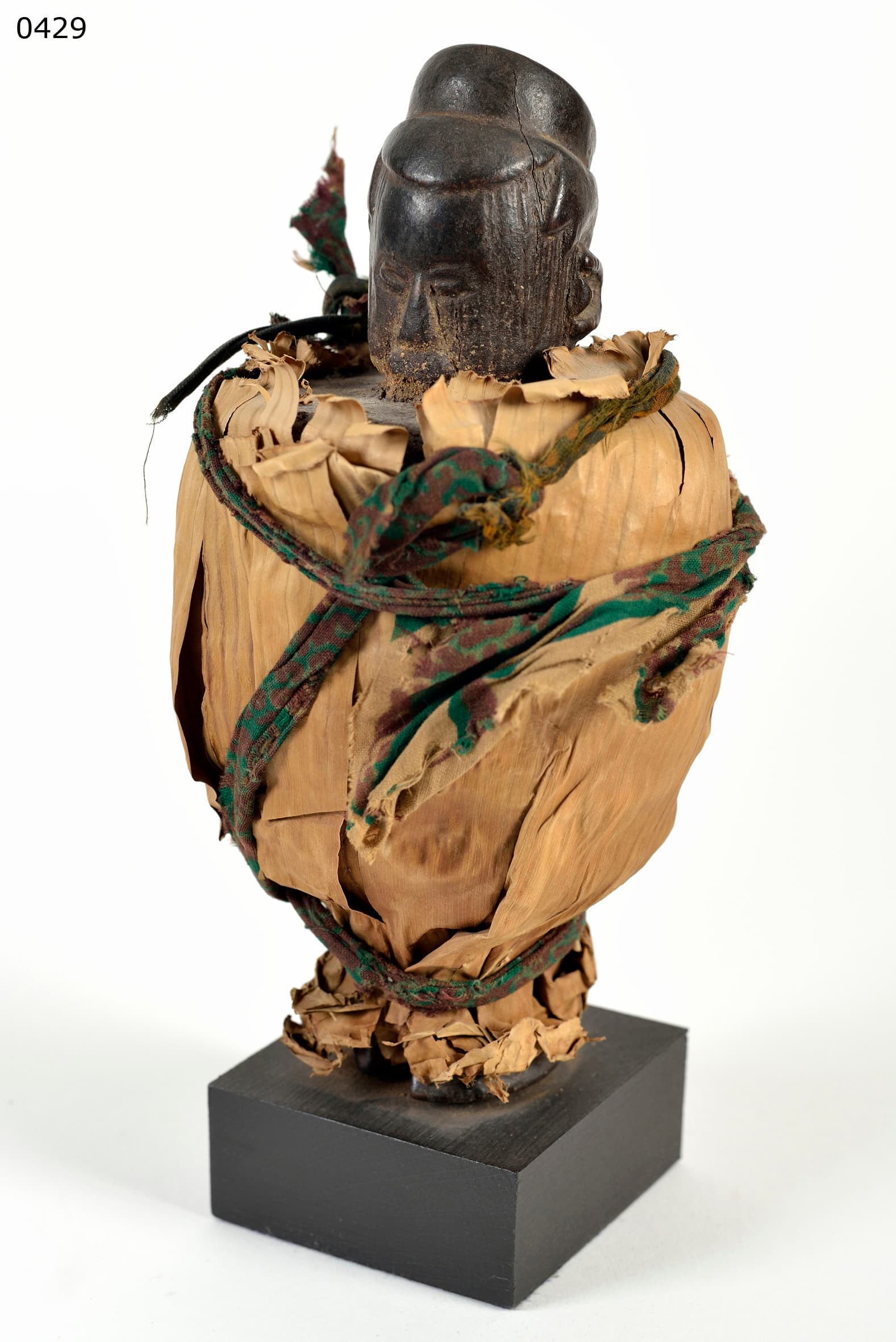
power figure
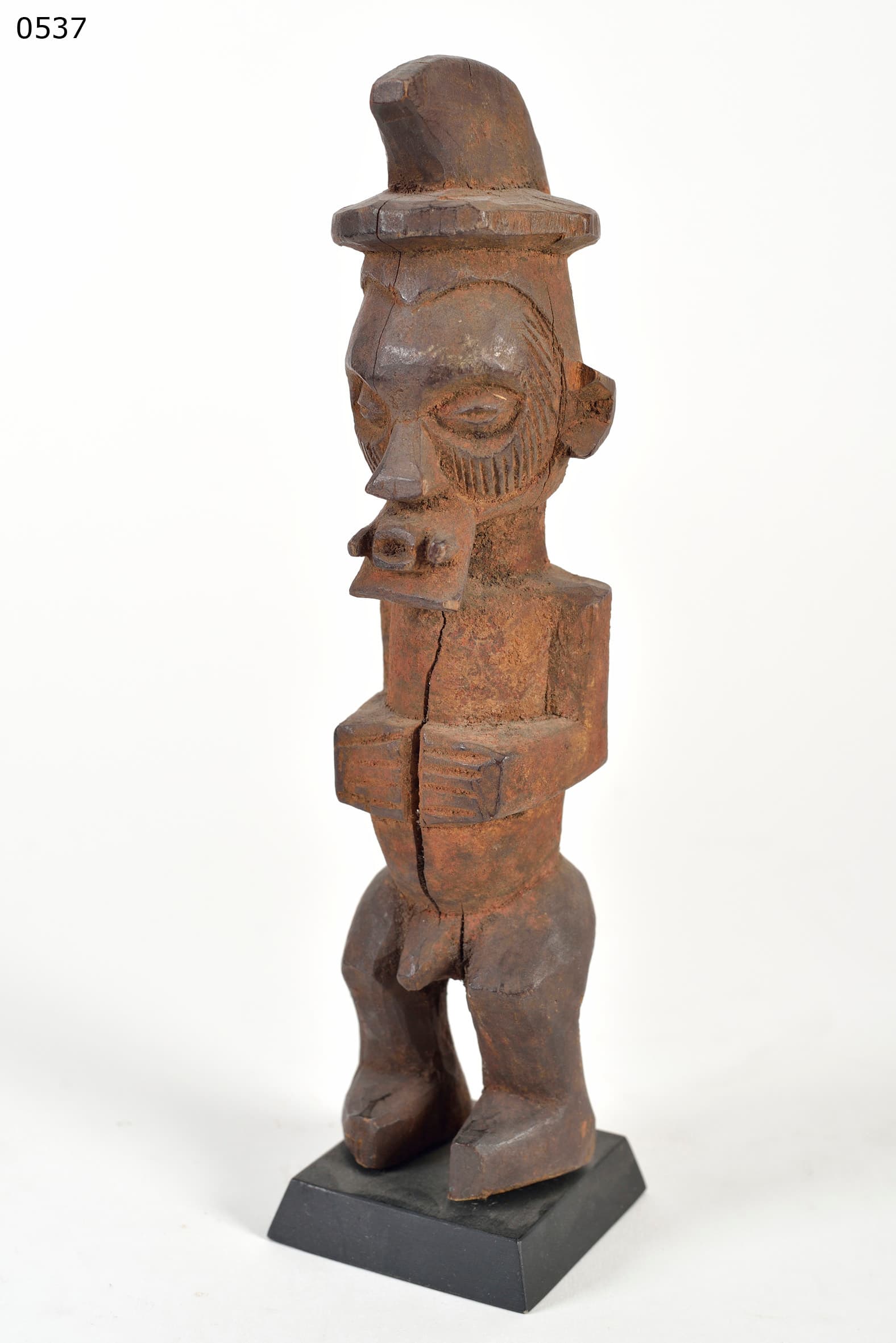
ancestor and power figure