Eine extrem langgestreckte, aus dünnem Draht geschmiedete Eisenfigur (Mitte 20. Jh., 50 cm) von den Lobi aus Burkina Faso - auf langen, geraden Beinen stehend, mit zwei deutlich nach vorne gerichteten Köpfen und kurzen, geometrischen Armen, vollständig überzogen mit einer dicken Schicht aus körnigem, orange-braunem Rost.
1. Minimalistische Eisen-Übersetzung
Während die Lobi bateba (Kraftfiguren) traditionell aus Holz geschnitzt werden, übersetzt dieses außergewöhnliche Exemplar aus Eisen ihre defensive Ikonographie in ein widerstandsfähiges, minimalistisches Medium.
- Eisen bis zum Äußersten getrieben: Der Schmied hat das Eisen stark reduziert und einen länglichen, fast skelettartigen Wächter geschaffen.
- Doppelte Wachsamkeit (Bateba Ti Tora): Die doppelten Köpfe sind eine markante ästhetische Wahl, die für erhöhte Wachsamkeit und die Fähigkeit steht, unsichtbare Bedrohungen aus mehreren Richtungen zu erkennen.
2. Defensive Wächter des Thil
In der Religion der Lobi diktieren unsichtbare Geister, die als Thil bekannt sind, die Regeln der Gemeinschaft.
- Wahrsager-Beauftragte: Wenn ein Wahrsager eine Bedrohung für eine Familie diagnostiziert, wird ein bateba beauftragt, als aggressiver lebender Stellvertreter gegen Hexerei und Unglück zu kämpfen.
- Eisenwächter: Durch das Schmieden der Figur aus Eisen - einem Material, das traditionell mit Feuer und transformativem Potenzial assoziiert wird - sollte ein wehrhafter Schutz für den häuslichen Schrein (dithil) geschaffen werden.
3. Aktiver Rost und Umwelteinflüsse
Der ausgeprägte, stark strukturierte Rost entspricht den Merkmalen, die bei westafrikanischen Eisenarbeiten aus der Mitte des 20. Jahrhunderts dokumentiert sind.
- Reaktion auf jahreszeitlich bedingten Regen: Das Eisen, das auf Lehmschreinen unter freiem Himmel ausgesetzt war, reagierte mit dem jahreszeitlich bedingten Regen in Burkina Faso.
- Granular Orange Oxidation: Die tiefe, körnige orangefarbene Oxidation gilt als Hinweis auf jahrzehntelange Witterungseinflüsse.
Zusammenfassung
Als minimalistischer spiritueller Wächter ist diese Lobi Eisen bateba eine bemerkenswerte Abkehr von der traditionellen Holzschnitzerei. Seine doppelköpfige Wachsamkeit und der tiefe Rost sprechen für ein ausdrucksstarkes Kraftobjekt.
KI-unterstützt erstellt aus Sammlungsgutachten, Objektfotografie und eigener Recherche, redaktionell geprüft. Fehler sind möglich — Hinweise darauf sind uns willkommen. Zum Verfahren →
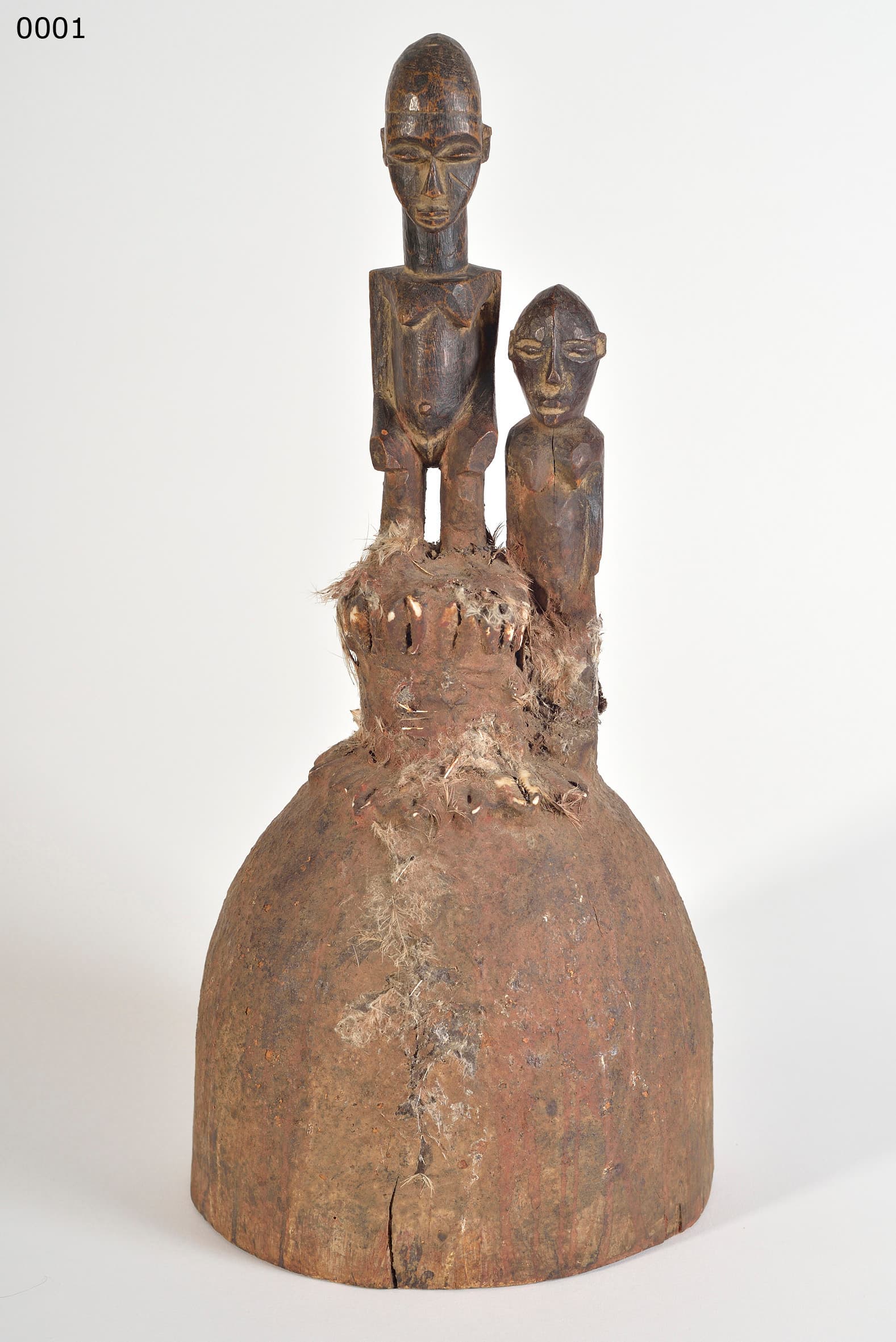
Schreinaltar mit Ehepaar BATEKE
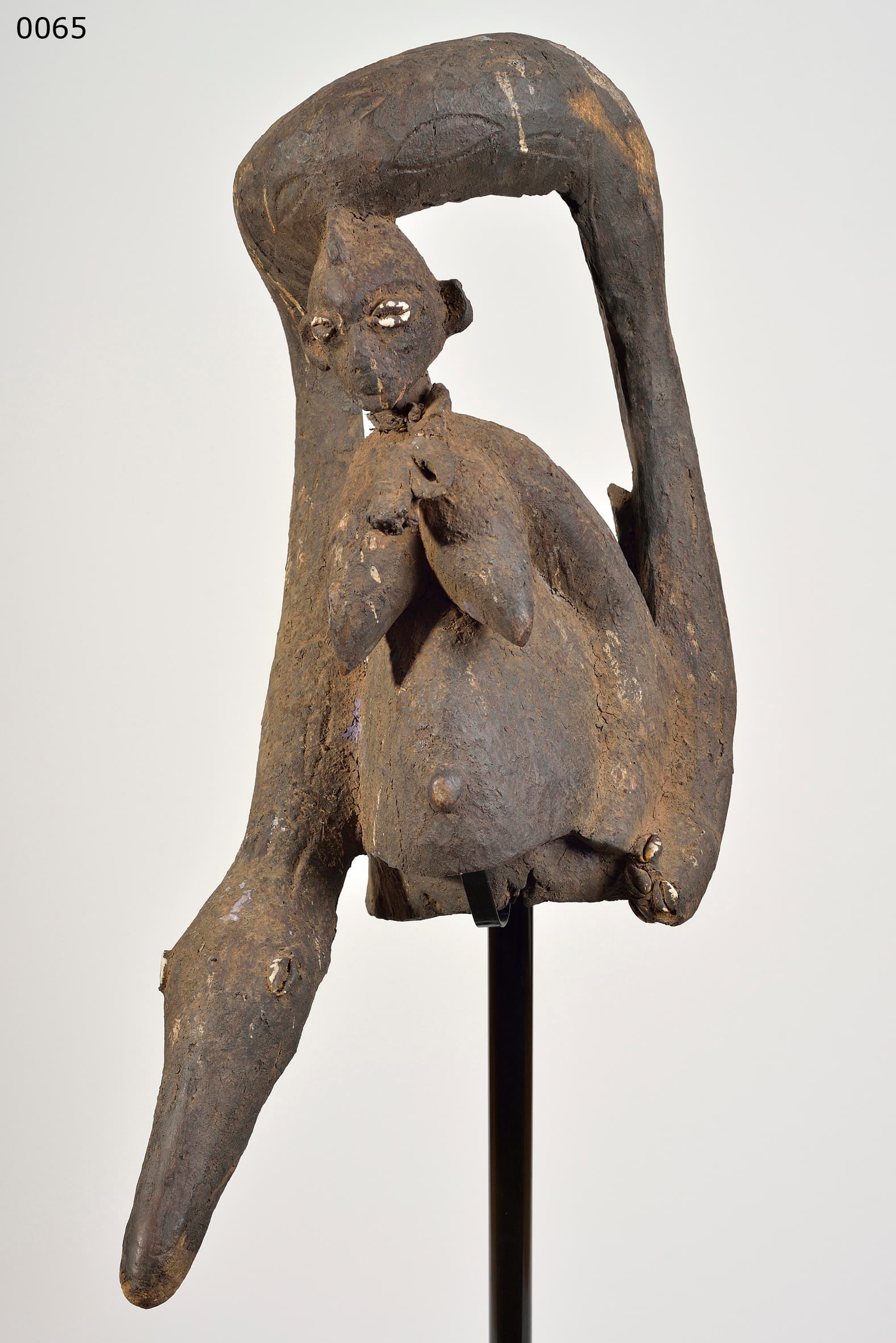
Seltene Kopfhaubenmaske
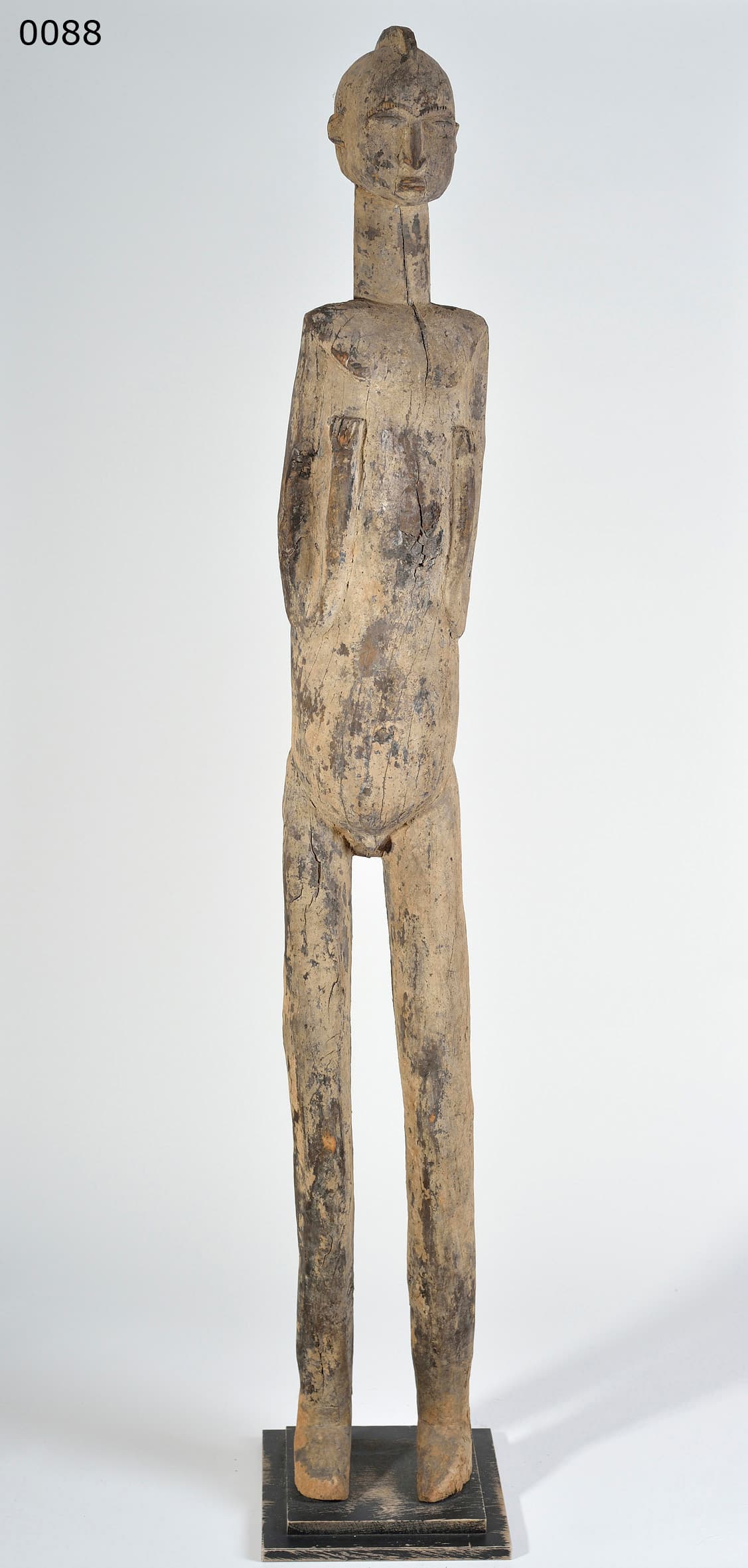
Schreinfigur, die einen BATEBA-Geist darstellt (ungewöhnlich groß, selten)