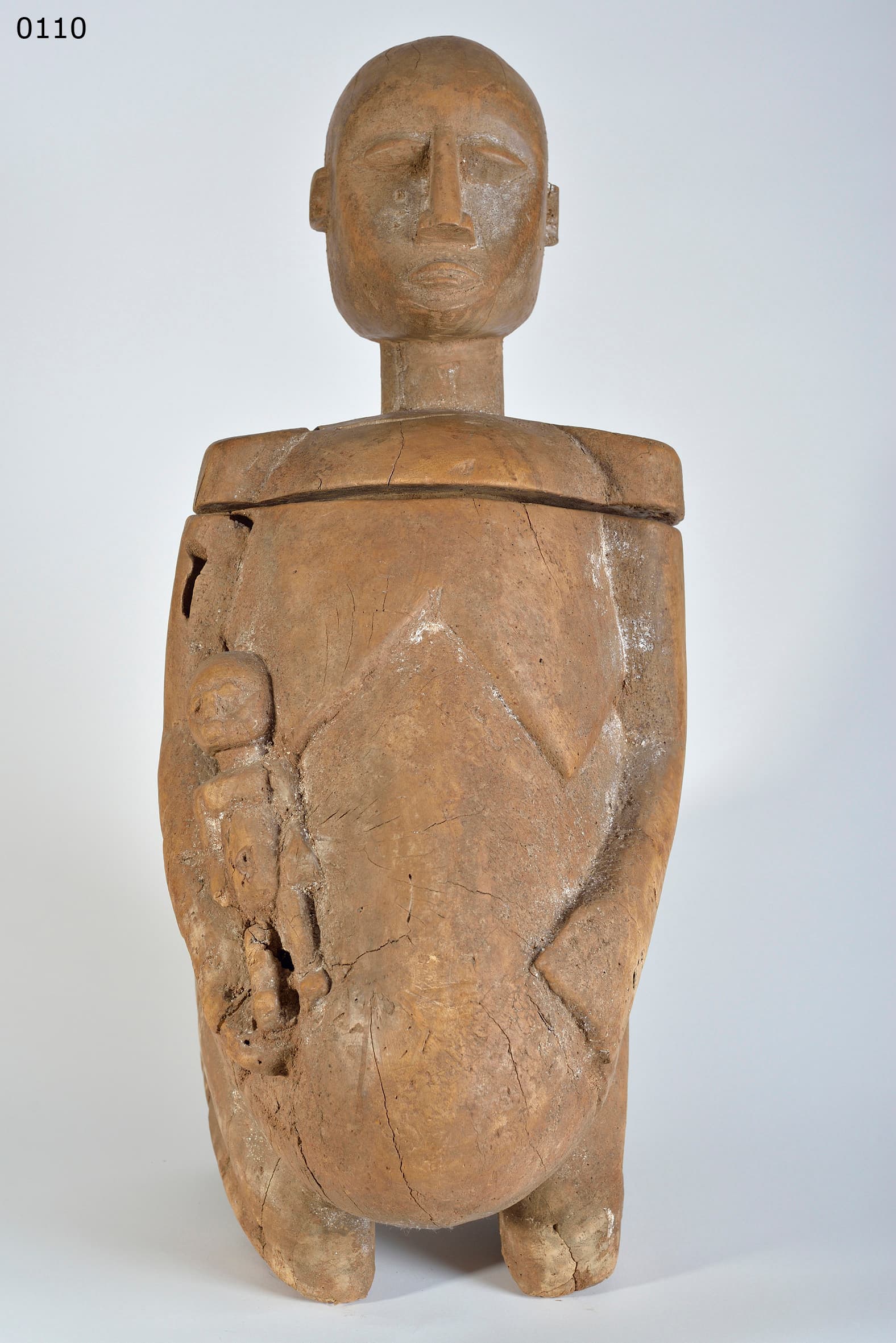
Eine schwere, blockige Lobi Bateba (wohl 1. Hälfte 20. Jh., 69 cm) aus Burkina Faso - klassische, strenge Lobi-Geometrie mit stilisiertem, hervorstehendem Kopf, die Hände ruhen in der Nähe des Bauches, und ein starrer, gerader Rücken. Das Holz trägt eine dicke, trockene, krustige Patina mit signifikanter umweltbedingter Erosion und Aufweichung der geschnitzten Kanten.
1. Die strenge Bateba-Ästhetik
Die Lobi-Schnitzerei zeichnet sich durch eine schwere, stark zurückgezogene Ästhetik aus.
- Ungeschliffene Volumina: Diese Figur gilt als ein charakteristisches Beispiel dieses Stils - ungeschliffene, blockhafte Volumina und eine starre, vertikale Haltung vermitteln ein Gefühl von ausgeprägter Spannung.
- Wachsame Psychologie: Die Gestaltung verzichtet weitgehend auf dekorative Details und konzentriert sich auf eine robuste, unbewegliche Form mit einem ausdrucksstarken Gesicht, das eine wachsame, unversöhnliche psychologische Präsenz vermittelt.
2. Lebende Surrogate des Thil
In der Religion der Lobi diktieren unsichtbare Geister, die als thil bekannt sind, die Regeln der Gemeinschaft.
- Diviner-Commissioned: Es handelt sich hierbei um einen bateba ("hölzerner Mensch"), wie sie traditionell auf Anweisung eines Diviners in Auftrag gegeben werden.
- Übernatürliche Schocktruppe: Im rituellen Kontext gilt die Figur nicht als Repräsentation eines Vorfahren, sondern als aktives Surrogat, das den Willen des thil ausführen soll – traditionell platziert in einem häuslichen Schrein (dithil), um Schaden abzuwehren, Krankheiten abzufangen und den Haushalt vor bösartigen Einflüssen zu schützen.
3. Schreinpatinierung und extreme Erosion
Die Patina spricht für eine rituelle Verwendung, die sich in die erste Hälfte des 20. Jahrhunderts einordnen lässt.
- Den Elementen ausgesetzt: Lobi-Figuren wurden häufig im Freien oder in offenen Schlammschreinen aufbewahrt, wo sie flüssige Trankopfer erhielten – das Holz zeigt starke Erosion und weist eine trockene, krustige und leicht verkalkte Oberfläche auf.
- Organisch aufgeweichte Ränder: Die Ränder der Hände und des Gesichts sind durch Witterungseinflüsse und Opfersalbung aufgeweicht worden – was dieses Stück von typischen modernen kommerziellen Schnitzereien unterscheidet.
Zusammenfassung
Dieser männliche bateba verkörpert die ausdrucksstarke Kraft des Lobi-Glaubens und ist ein charakteristisches Beispiel für eine voltaische Schutzskulptur. Seine tief erodierte, krustige Schreinpatina stützt eine Zuschreibung als ritueller Wächter aus der Mitte des 20. Jahrhunderts.
KI-unterstützt erstellt aus Sammlungsgutachten, Objektfotografie und eigener Recherche, redaktionell geprüft. Fehler sind möglich — Hinweise darauf sind uns willkommen. Zum Verfahren →
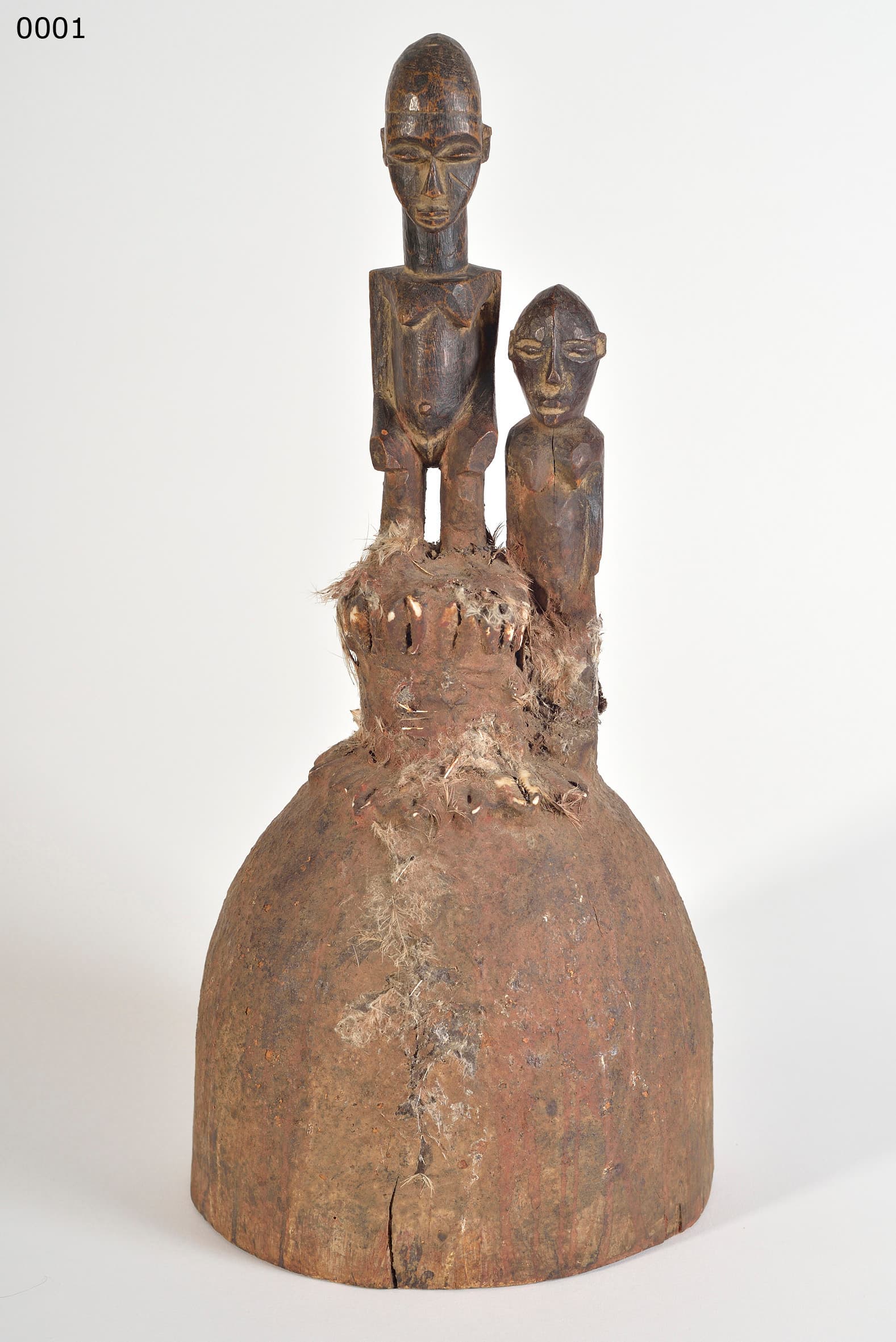
Schreinaltar mit Ehepaar BATEKE
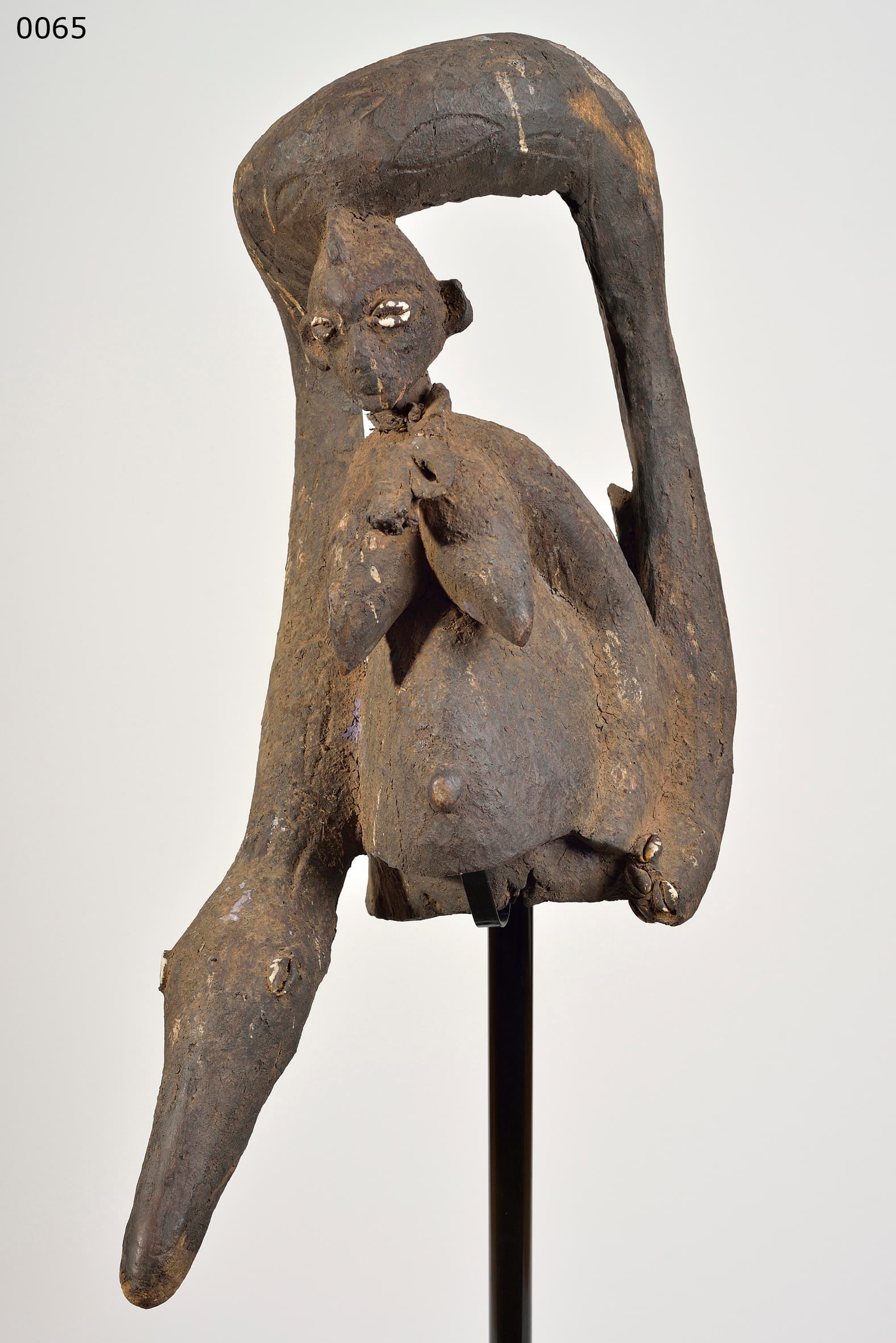
Seltene Kopfhaubenmaske
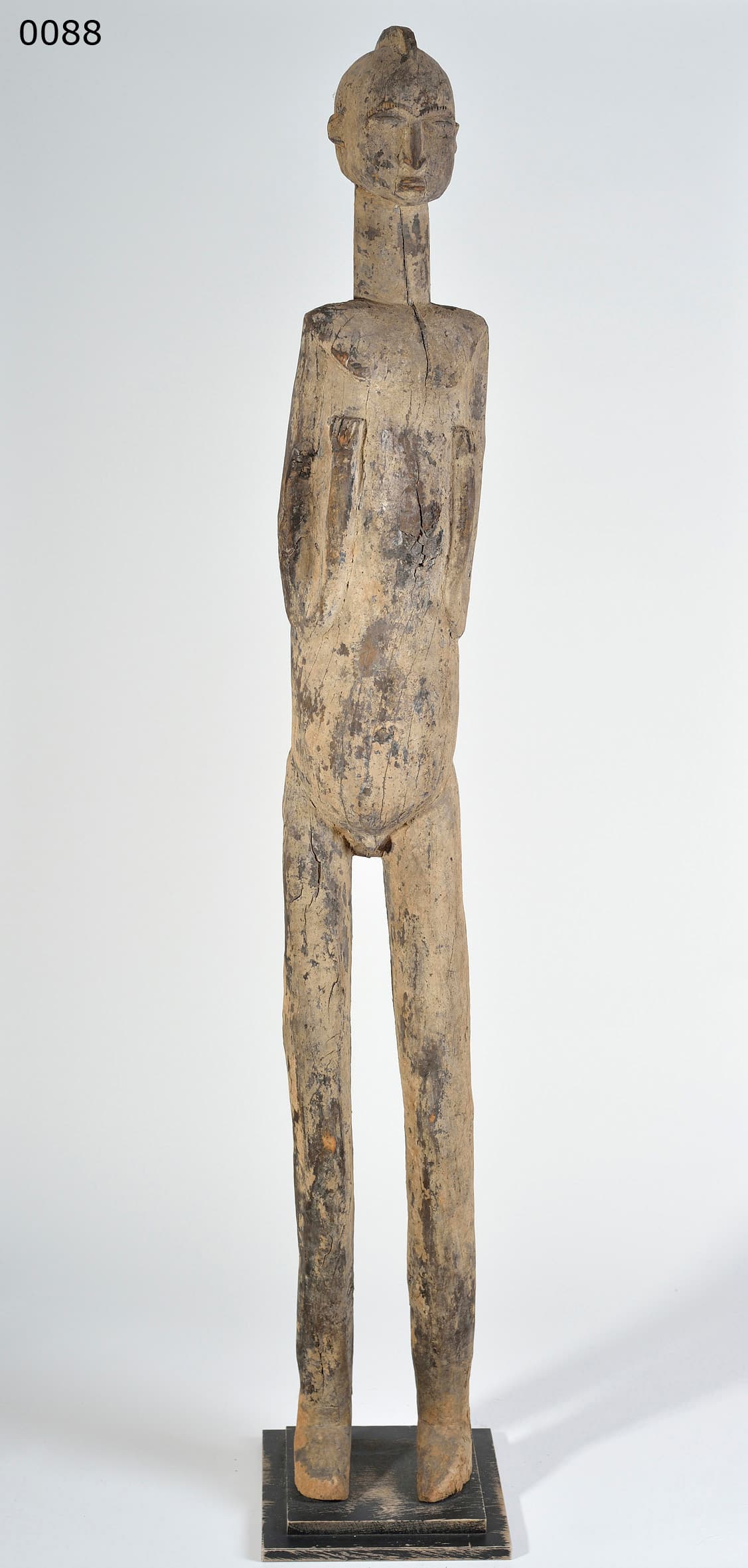
Schreinfigur, die einen BATEBA-Geist darstellt (ungewöhnlich groß, selten)