Ein besonders großes Lobi-Eisenreptil (wohl 1. Hälfte 20. Jh., 107 cm) aus Burkina Faso - ein massives geschmiedetes Eisenkrokodil oder Waran mit länglich abgeflachtem Körper und gespreizten Beinen, umhüllt von einer dicken, stark strukturierten Rostschuppe. Teil eines vierteiligen Sets (0349, 0350, 0351, 0352).
1. Schmiedekunst und Serpentinengeometrie
Die Lobi verlassen sich auf eine spezialisierte Schmiedekaste, um massive spirituelle Schutzgegenstände zu schmieden.
- Monumentale Eisenreduktion: Mit 107 cm stellt dieses Stück eine besonders große Ausführung innerhalb des Lobi-Formenschatzes dar - ein auf beachtliche Länge gezogener Barren, bei dem der flache blattartige Körper und der pfeilförmige Kopf erhalten bleiben.
- Kinetische Silhouette: Minimalistisch gebogene Beine und der langgestreckte, flache Körper reduzieren die tierische Anatomie auf eine kinetisch wirkende Silhouette.
2. Thil-Schreine und Schutzverheißung
In der Theologie der Lobi sind thila (sing. thil) unsichtbare Schutzgeister, die die Regeln der Gemeinschaft vorgeben.
- Anker für einen großen Thil: Wenn ein Wahrsager feststellt, dass ein thil einen Schrein (dithil) benötigt, muss die Familie einen Schmied beauftragen, Eisenfiguren als Anker zu schmieden. Ein 107 cm langer Anker signalisiert einen großen, dominanten thil.
- Schwellenübergangssymbole: Das Krokodil und der Waran sind Geschöpfe zweier Welten (Wasser und Erde) - Symbole des Regenmachens, des Schwellenübergangs und der Ahnenverbindung.
3. Oxidation von Eisen und Verwitterung in der Subsahara
Die ausgeprägte Patinierung spricht für eine traditionelle Verwendung des Schreins in der Umgebung von Burkina Faso.
- Elementare Einflüsse: Keine künstliche Behandlung oder Polieren - das Stück behält eine dichte, flockige, tief-orange und braune Rostkruste.
- Charakteristische Krustenbildung: Die schwere Krustenbildung ist vereinbar mit einer zyklischen Exposition gegenüber intensiver Hitze und saisonalen Regenfällen während der Aufstellung in einem Lobi-Schrein im Freien.
Zusammenfassung
Diese monumentale, 107 cm große Figur ist Teil eines vierteiligen Lobi-Eisenreptilien-Sets und gilt als ein bemerkenswertes Zeugnis der Schmiedekunst dieser Region. Die ausgeprägte Oxidation und die formale Gestaltung machen sie zu einem bedeutenden ethnografischen Sammlungsstück.
KI-unterstützt erstellt aus Sammlungsgutachten, Objektfotografie und eigener Recherche, redaktionell geprüft. Fehler sind möglich — Hinweise darauf sind uns willkommen. Zum Verfahren →
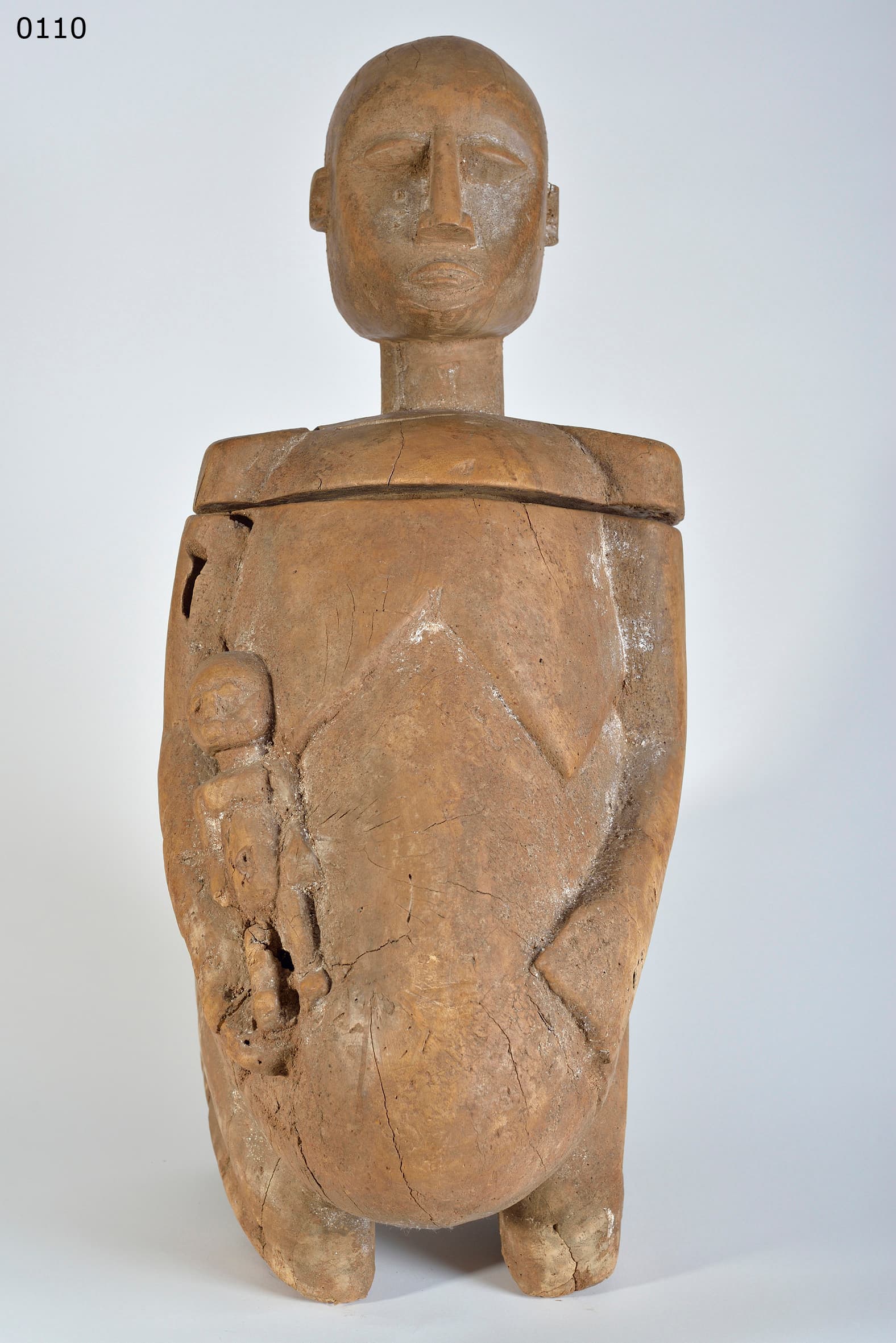
Schreinaltar mit Ehepaar BATEKE
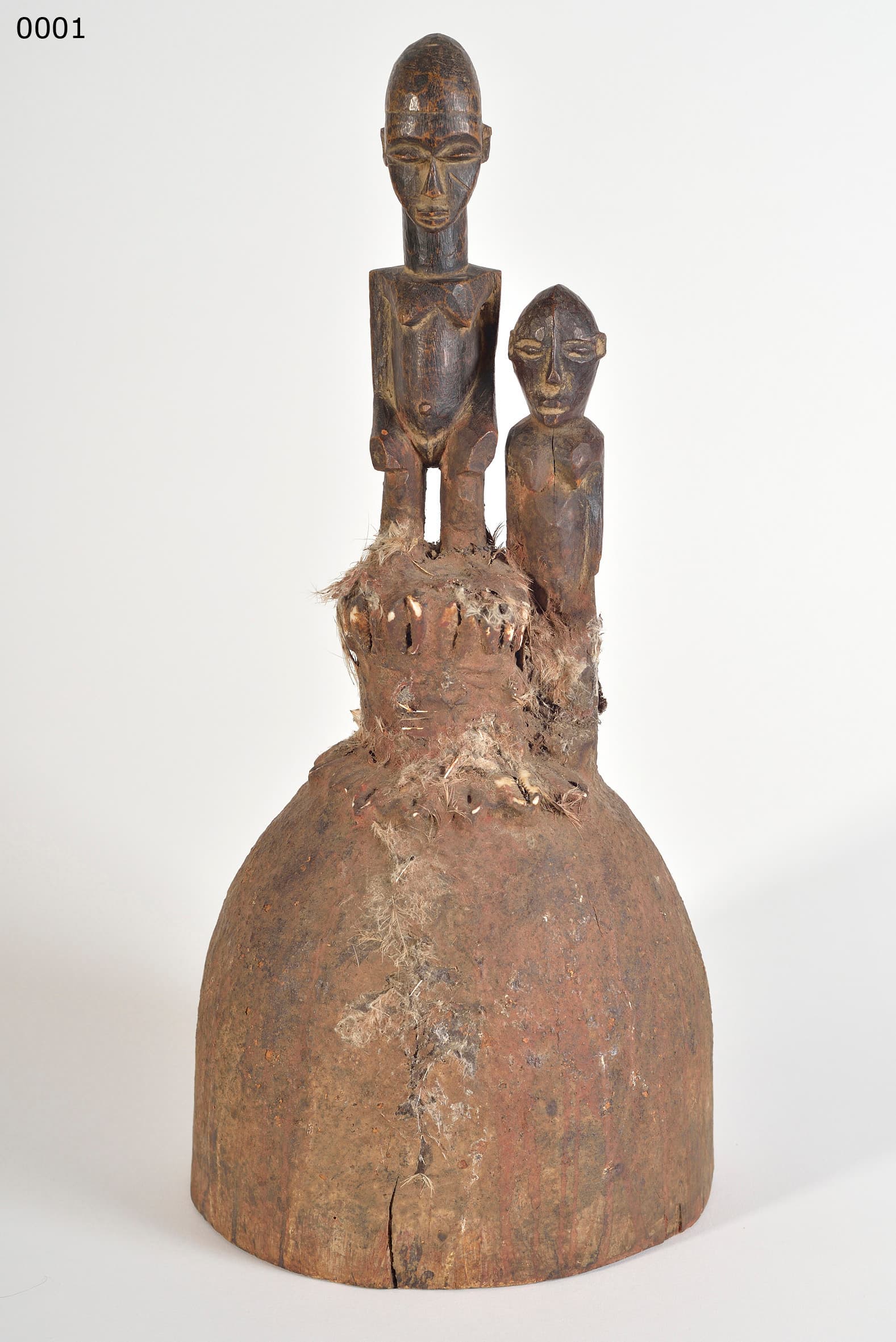
Seltene Kopfhaubenmaske
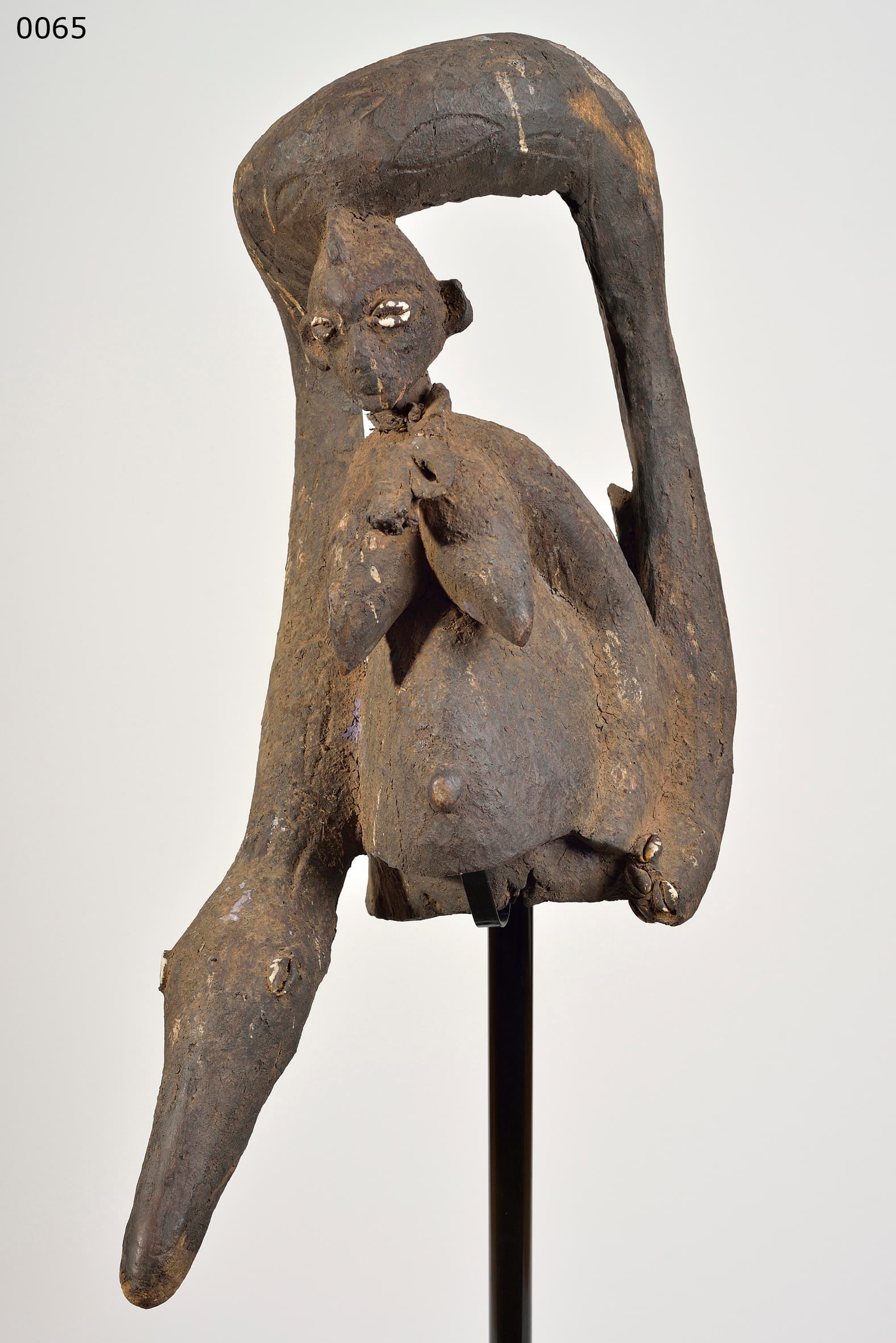
Schreinfigur, die einen BATEBA-Geist darstellt (ungewöhnlich groß, selten)