Zwei dicke, schön geschnitzte Elfenbeinanhänger. Der eine hat einen breiten, flachen Körper, der mit einer stilisierten, horizontalen, doppelköpfigen Spitze versehen ist. Der andere hat einen ausgeprägten, T-förmigen Kamm über einem langen, sich verjüngenden rechteckigen Körper. Beide besitzen große Aufhängelöcher und eine exquisite, tief gesprenkelte, glänzende, honigkaramellfarbene Patina.
1. Ästhetischer Stil und regionale Charakteristika
Diese Elfenbeinanhänger des Volkes der Lobi (oder der verwandten Gurunsi) stellen eine radikale Abkehr von der figürlichen Schnitzerei dar. Sie sind völlig abstrakt und stützen sich auf starke, geometrische Silhouetten - die T-Form und den horizontalen Doppelkopf - um spirituelles Gewicht zu vermitteln. Diese Abstraktion ist eng mit ihrer Funktion verbunden: Sie sollen keinen menschlichen Vorfahren darstellen, sondern vielmehr als hochkonzentrierte, physische Batterien für schützende, talismanische Magie dienen. Abstrakte Formen von Anhängern aus Elfenbein sind innerhalb des westafrikanischen Korpus ungewöhnlich und weisen auf eine spezifische regionale Vorliebe für nicht-figurative talismanische Schnitzereien hin.
2. Rituelle Funktion und Jägerprestige
Diese Objekte, die als Anhänger von Jägern identifiziert wurden, sind von großer Bedeutung. Im traditionellen Westafrika ist der Elefantenjäger eine Figur von ungeheurer Tapferkeit, Geschicklichkeit und spiritueller Stärke, da er sowohl das gewaltige Tier als auch die gefährlichen Geister des tiefen Busches überlisten muss. Das Tragen von großen, abstrakten Anhängern, die aus dem Stoßzahn eines Elefanten geschnitzt sind, gilt traditionell als Ausweis für das Können des Jägers und dient sowohl als Ehrenzeichen als auch als magisches Schild gegen zukünftige Gefahren. Das Material selbst - direkt vom gejagten Elefanten entnommen - verkörpert die Konfrontation des Jägers mit der Macht des Busches.
3. Physische Patina und Altersnachweis
Die visuelle Pracht dieser beiden Objekte liegt ausschließlich in ihrer Oberfläche. Das dichte, weiße Elfenbein hat sich durch den jahrzehntelangen, intimen Kontakt mit dem menschlichen Körper verändert. Die Oberfläche hat Schweiß, natürliche Öle und den roten Staub der Sahelzone aufgenommen, was zu einer tief gesprenkelten und glänzenden honig- bis karamellfarbenen Patina geführt hat. Die glatten Abnutzungserscheinungen um die großen Aufhängelöcher zeugen von ihrem langen, aktiven Leben als tragbare Amulette.
Zusammenfassung
Zwei seltene, abstrakte Lobi-Elfenbein-Anhänger, die das Prestige und die spirituelle Stärke des Elefantenjägers verkörpern. Ihre strengen, geometrischen Silhouetten und die ausgeprägte, von Hand geriebene Karamellpatina machen sie zu charakteristischen Beispielen westafrikanischen persönlichen Schmucks.
KI-unterstützt erstellt aus Sammlungsgutachten, Objektfotografie und eigener Recherche, redaktionell geprüft. Fehler sind möglich — Hinweise darauf sind uns willkommen. Zum Verfahren →
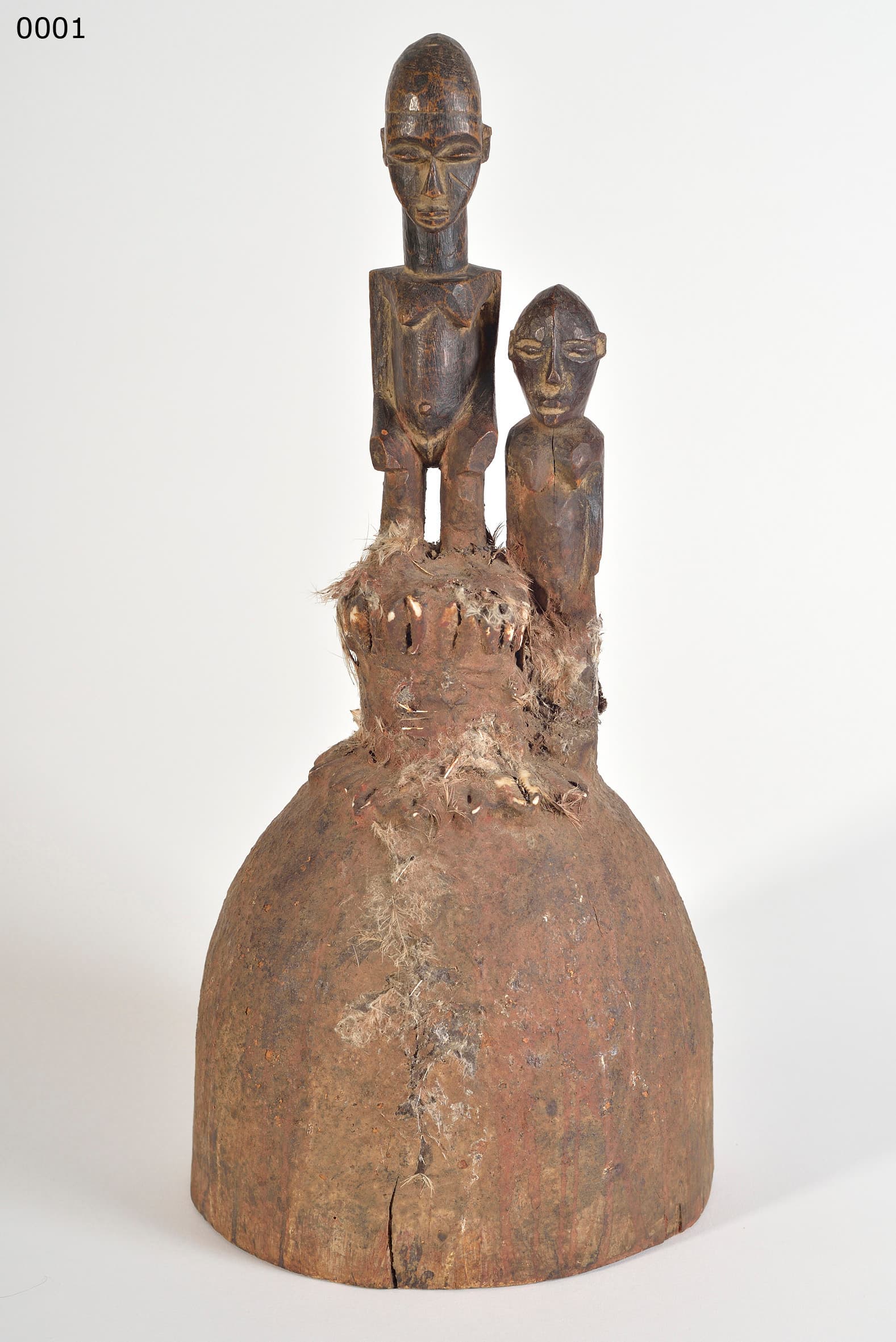
Schreinaltar mit Ehepaar BATEKE
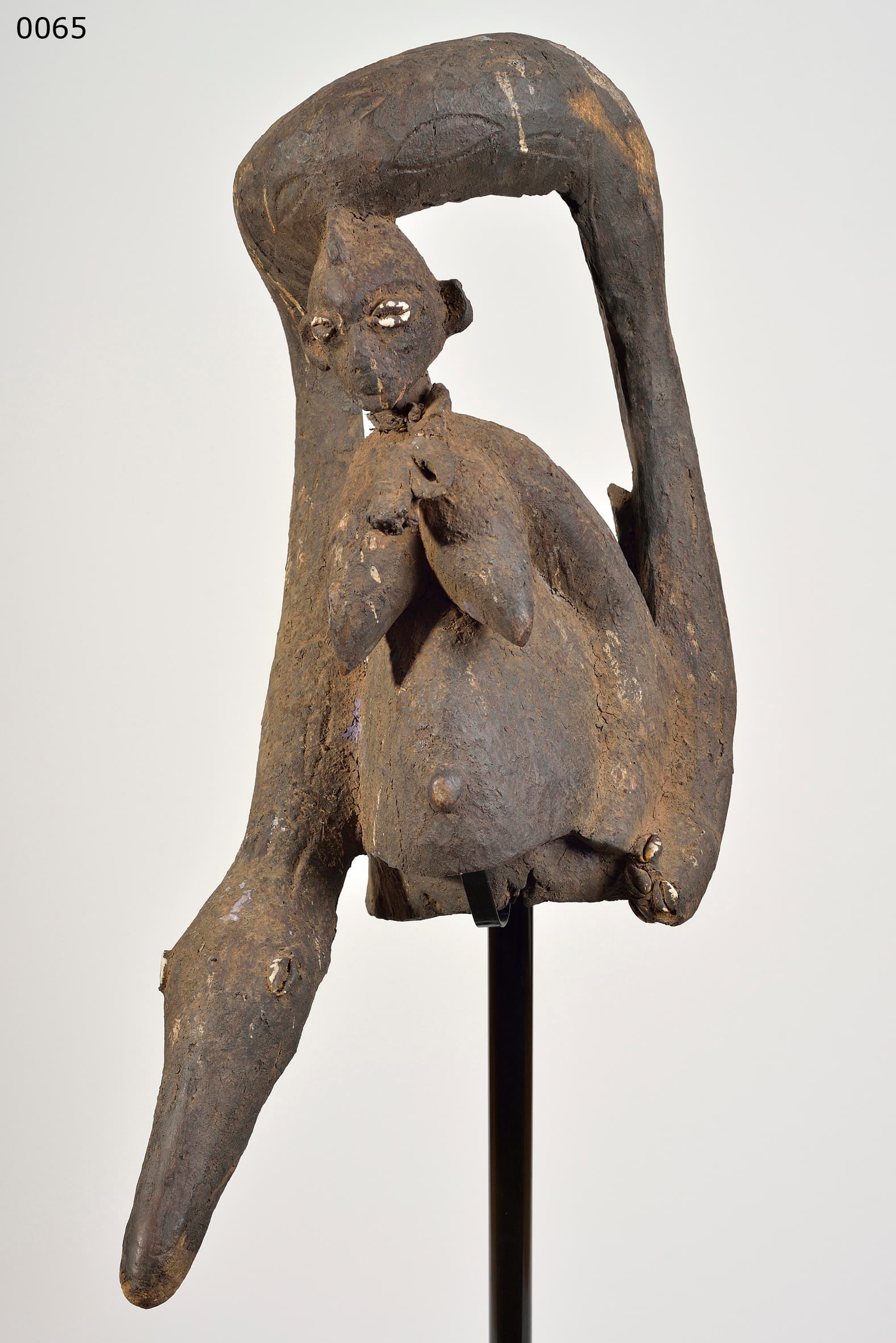
Seltene Kopfhaubenmaske
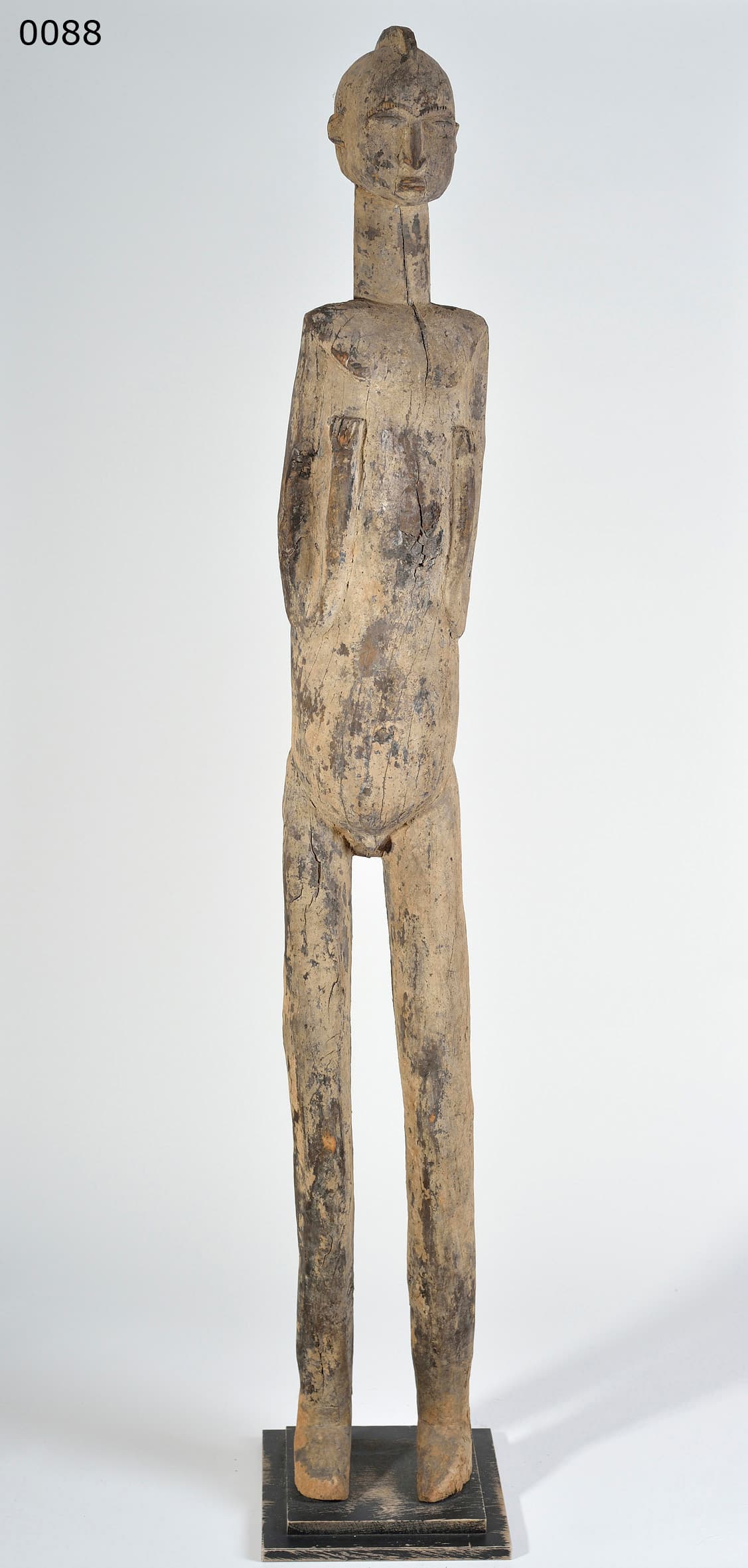
Schreinfigur, die einen BATEBA-Geist darstellt (ungewöhnlich groß, selten)