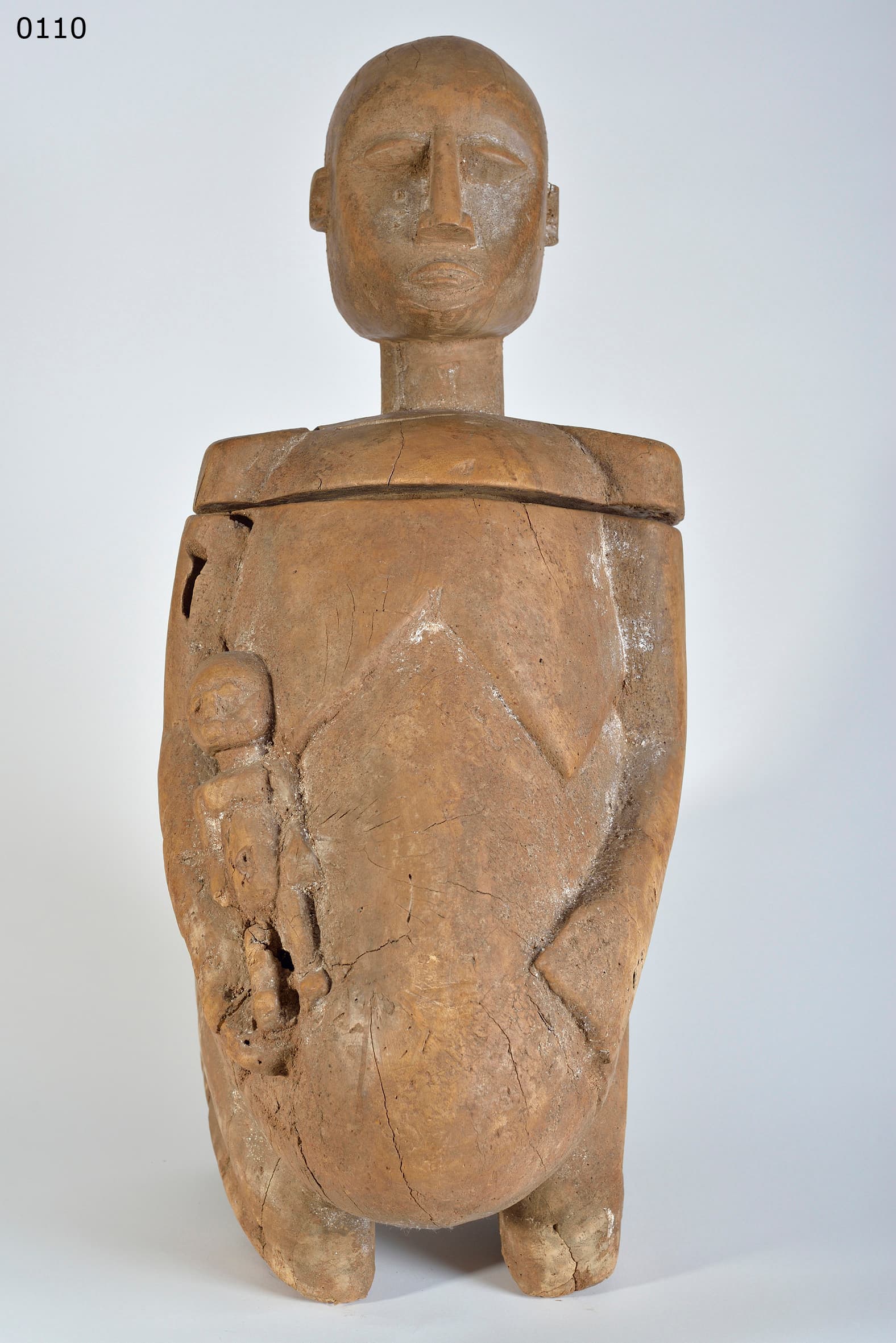
1. Ästhetischer Stil und regionale Eigenheiten
Diese langen, spitz zulaufenden Bronzen haben eine ähnliche Funktion wie kunstvolle Haarnadeln oder Miniatur-Prestigestäbe, die in ganz Westafrika (einschließlich der Lobi und benachbarter Senufo/Gurunsi-Gruppen) üblich sind. Der Künstler hat einen funktionalen Gegenstand der Körperpflege oder der Zurschaustellung in eine komplexe, tragbare Skulptur verwandelt. Die Haarnadeln sind durchbrochen gearbeitet, um das Gewicht zu reduzieren und gleichzeitig die visuelle Wirkung der stilisierten, geschwungenen Tierköpfe und Hörner zu maximieren. Das Format der Haarnadel als Prestigeobjekt vereint Schmuck und ikonografische Darstellung in einer einzigen kompakten Form.
2. Rituelle Funktion und talismanische Tiersymbolik
Die Tiersymbole auf der Spitze dieser Geräte sind sehr bewusst gewählt. Ob sie nun eine flinke Antilope oder das uralte, hellsichtige Chamäleon darstellen, die zoomorphe Spitze verleiht dem Gegenstand spezifische spirituelle Eigenschaften. Wenn sie im Haar einer Elitefrau oder von einem Wahrsager getragen wurden, erfüllten diese Gegenstände einen doppelten Zweck: Sie waren gut sichtbare Zeichen des wirtschaftlichen Reichtums (Bronze) und fungierten als aktive Schutzamulette gegen bösartige Kräfte. Die zoomorphe Haube signalisierte die spezifische spirituelle Zugehörigkeit des Trägers, während der Bronzeträger seine wirtschaftliche Stellung signalisierte.
3. Physische Patina und Altershinweise
Die physischen Spuren einer Verwendung sind deutlich erkennbar. Die langen, spitz zulaufenden Stacheln beider Objekte sind deutlich glatter und etwas heller als die komplexen Endstücke, was darauf hindeutet, dass sie wiederholt durch dichtes Haar oder Gewebe gedrückt wurden. Die komplizierten, durchbrochenen Tierköpfe weisen eine dunklere, ungereinigte Oxidation und geringfügigen Grünspan auf, was auf ihr Alter und ihre aktive Funktionsgeschichte hinweist.
Zusammenfassung
Ein Paar Prestigeobjekte aus Lobi-Bronze, die praktischen persönlichen Schmuck mit komplexer, schützender zoomorpher Symbolik verbinden. Ihre ausgeprägten funktionellen Gebrauchsspuren und die charakteristische Oxidation machen sie zu interessanten ethnografischen Sammlerstücken. (Artikel stilistisch identifiziert; visueller Inhalt stimmt nicht mit der katalogisierten Beschreibung überein)
KI-unterstützt erstellt aus Sammlungsgutachten, Objektfotografie und eigener Recherche, redaktionell geprüft. Fehler sind möglich — Hinweise darauf sind uns willkommen. Zum Verfahren →
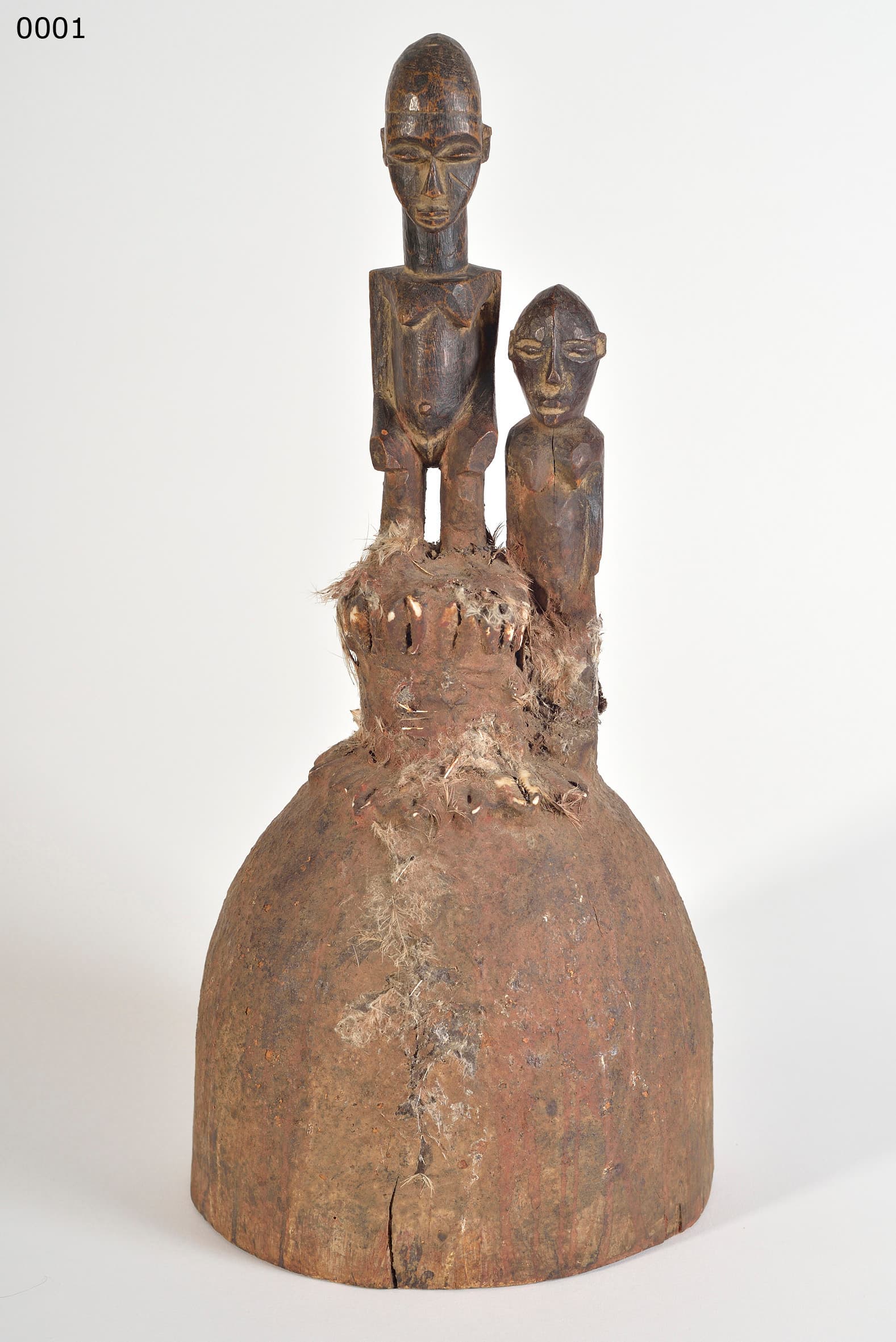
Schreinaltar mit Ehepaar BATEKE
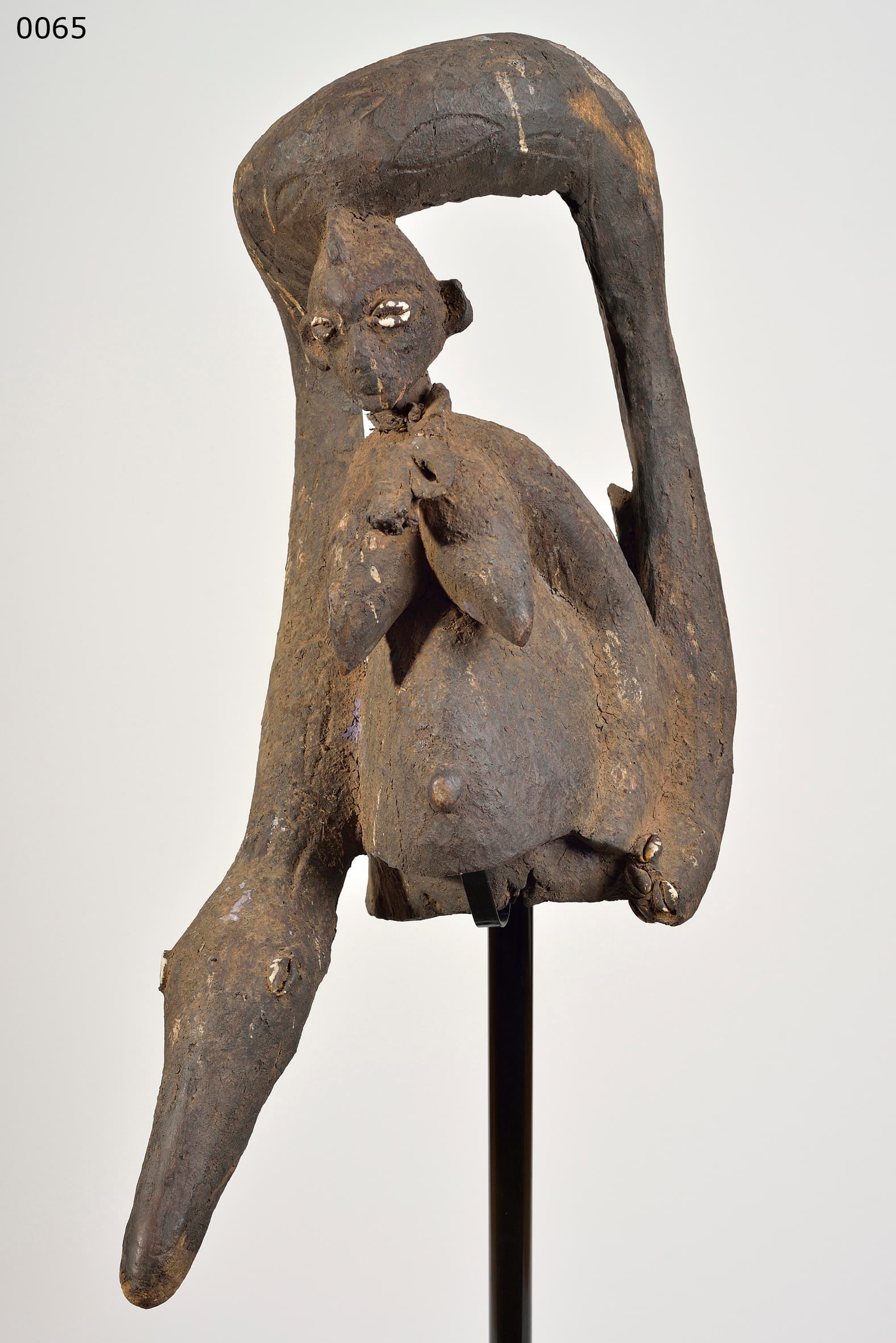
Seltene Kopfhaubenmaske
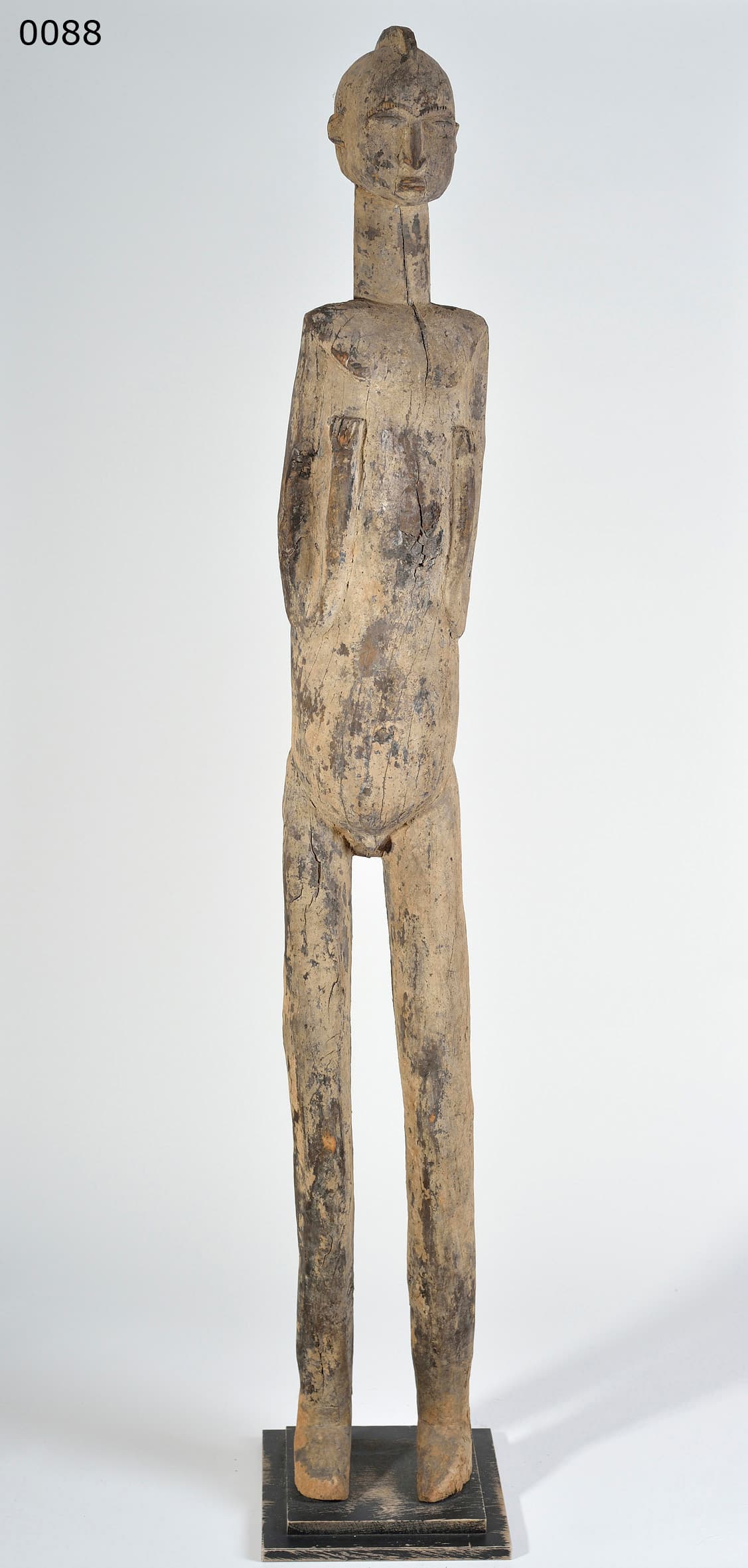
Schreinfigur, die einen BATEBA-Geist darstellt (ungewöhnlich groß, selten)