Dieses Paar Messingarmbänder besteht aus einem schlichten, schweren ovalen Ring und einem kunstvollen Band mit zwei einander zugewandten chamäleonartigen Figuren. Das glatte, behandelte Messing hat eine olivbraune, antike Patina mit weichen, skulpturalen Kanten.
1. Ästhetischer Stil und regionale Eigenheiten
Das Volk der Lobi in Burkina Faso nutzt den Messingguss, um seine komplexe Beziehung zur Natur- und Geisterwelt darzustellen. Ein klassisches Motiv ist der Armreif mit zwei einander zugewandten Chamäleons. In der Mythologie der Lobi ist das Chamäleon ein heiliges, grenzüberschreitendes Wesen, das in der Lage ist, verschiedene Reiche zu durchqueren und Botschaften des Göttlichen zu überbringen. Indem man diese Figuren von Angesicht zu Angesicht auf dem Scheitelpunkt des Armbands platziert, entsteht ein geschlossener, starker Kreislauf spiritueller Energie, der den Schmuck in eine erzählerische Skulptur verwandelt, die von ursprünglicher Transformation spricht. Die Kombination von schlichten und figuralen Armbändern in einem einzigen Set kann die abgestuften Ebenen der rituellen Ausstattung des Trägers widerspiegeln.
2. Rituelle Funktion und Thil-Vermittlung
Bei den Lobi wird der persönliche Schmuck von Wahrsagern (thildar) bestimmt, um bestimmte Buschgeister, die als Thil bekannt sind, zu besänftigen. Diese Armbänder waren keine reinen Modeaccessoires; sie wurden als medizinische oder schützende Amulette verschrieben, um Krankheiten zu heilen, eine erfolgreiche Geburt zu gewährleisten oder den Träger vor Zauberei zu schützen. Der schwere, schmucklose Armreif steht für die rohe, ungeformte Kraft des Metalls selbst, während der Chamäleon-Armreif als spezifischer, gezielter Kanal für die spirituelle Kommunikation zwischen dem Träger und seinem persönlichen Schutzgeist dient.
3. Physische Patina und Altersnachweis
Die Echtheit dieser Armbänder wird durch die spezifische "Handhabungspolitur" auf dem Metall bestätigt. Durch das jahrzehntelange Tragen am Handgelenk wurden die Spitzen der Chamäleonfiguren poliert, wodurch die Gusslinien weicher wurden und das Messing einen warmen, leuchtenden oliv-braunen Farbton erhielt. Diese glatte, fühlbare Oberfläche, die mit der dunkleren Oxidation in den Ritzen zwischen den Figuren kontrastiert, ist das bestimmende Merkmal eines Artefakts, das ein aktives, generationenlanges Leben am menschlichen Körper geführt hat.
Zusammenfassung
Diese Lobi-Armbänder sind elegante Manifestationen westafrikanischer spiritueller Medizin, die die heilige Ikonographie des Chamäleons nutzen, um eine Verbindung mit der Geisterwelt herzustellen. Ihre exquisite, durch die Handhabung aufgeweichte Patina zeugt von jahrzehntelangem, authentischem, intimem Gebrauch durch ihre ursprünglichen Besitzer.
KI-unterstützt erstellt aus Sammlungsgutachten, Objektfotografie und eigener Recherche, redaktionell geprüft. Fehler sind möglich — Hinweise darauf sind uns willkommen. Zum Verfahren →
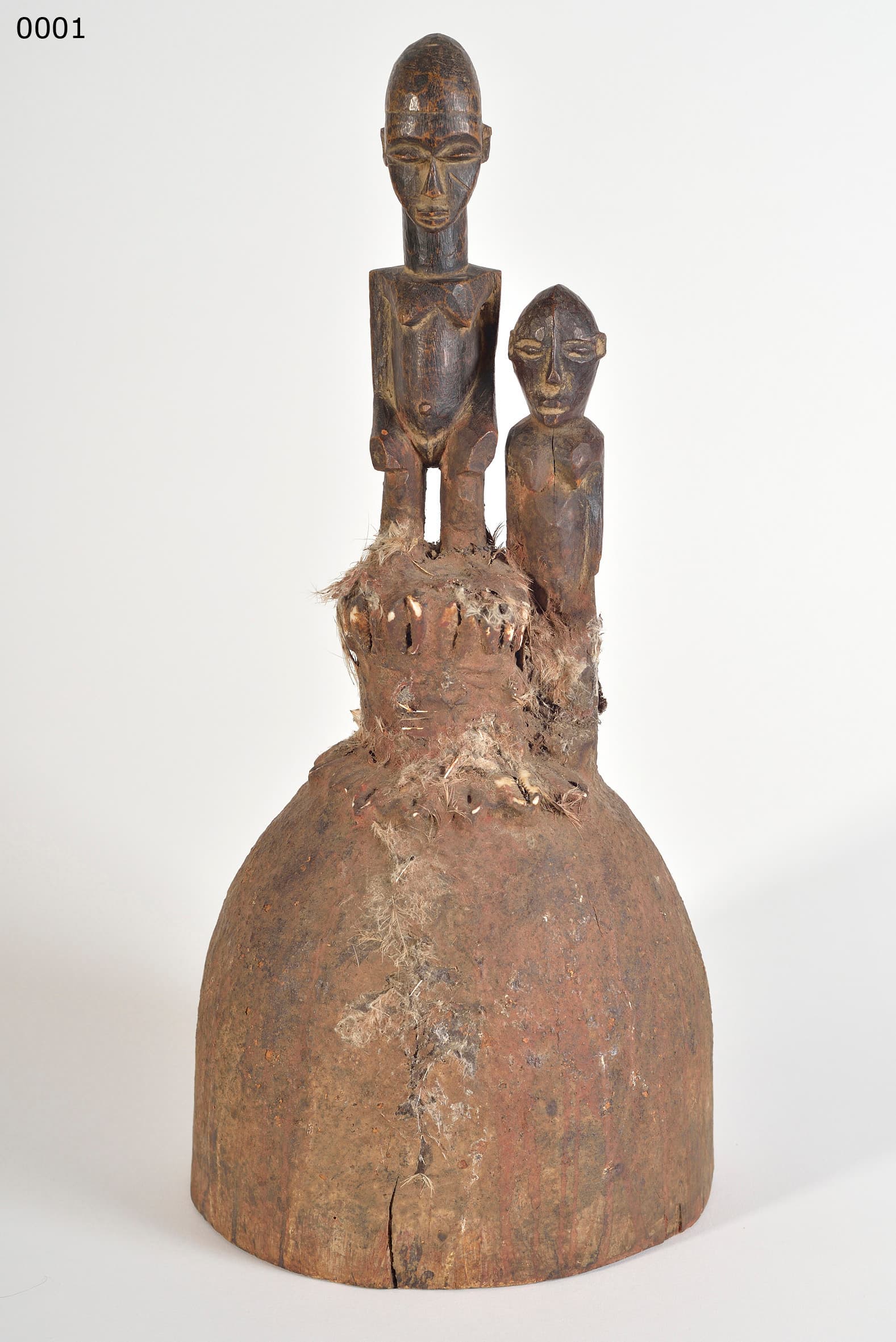
Schreinaltar mit Ehepaar BATEKE
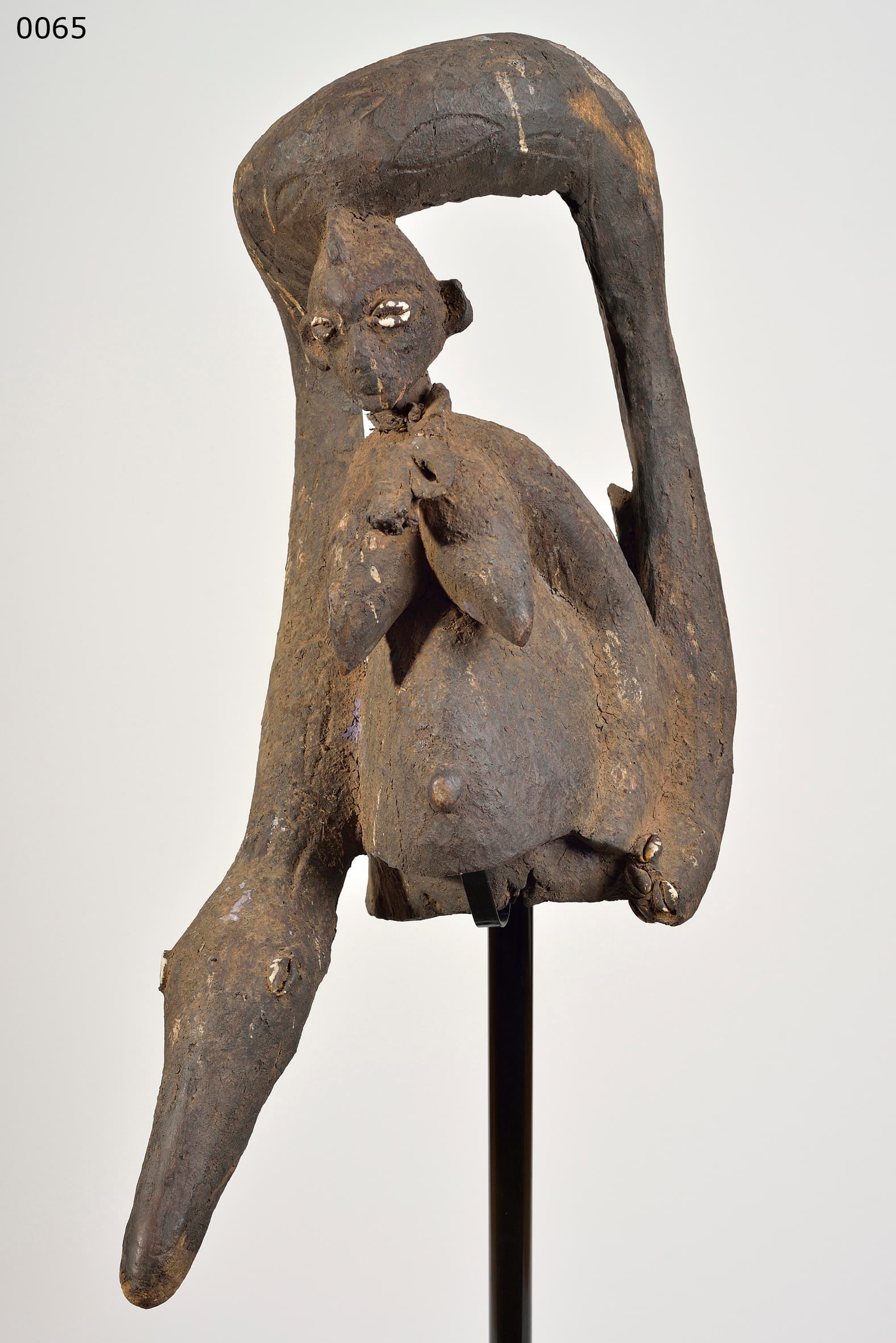
Seltene Kopfhaubenmaske
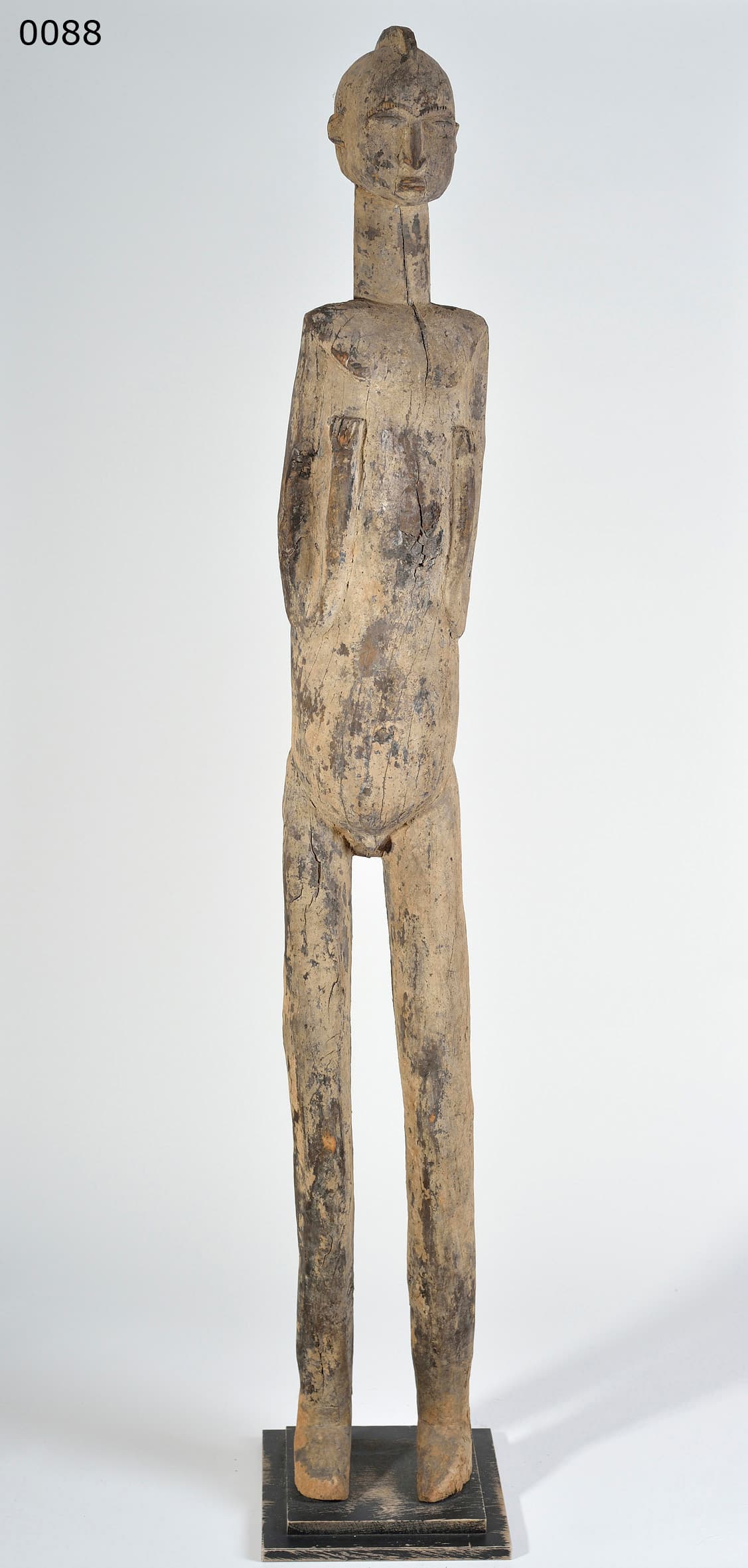
Schreinfigur, die einen BATEBA-Geist darstellt (ungewöhnlich groß, selten)