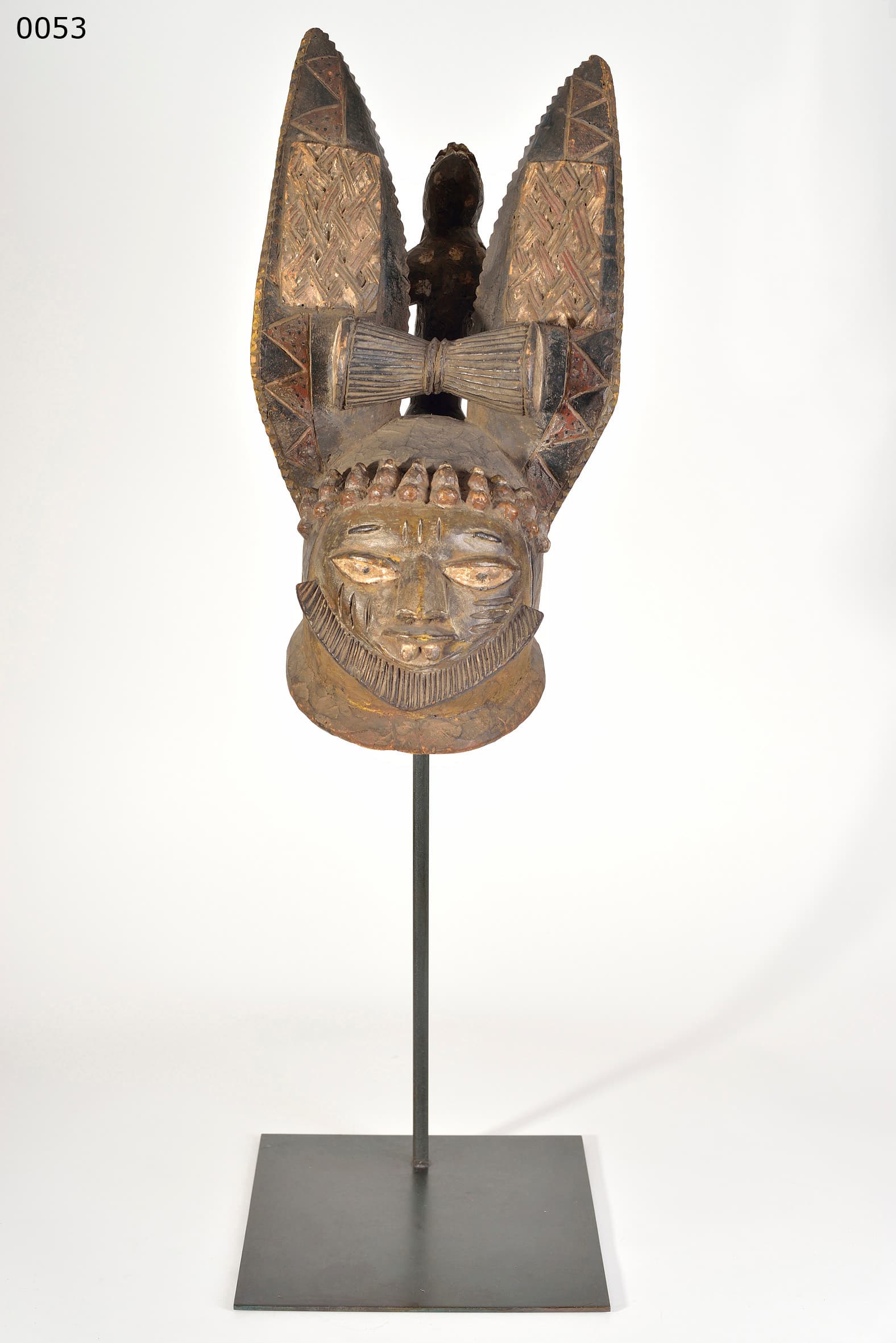
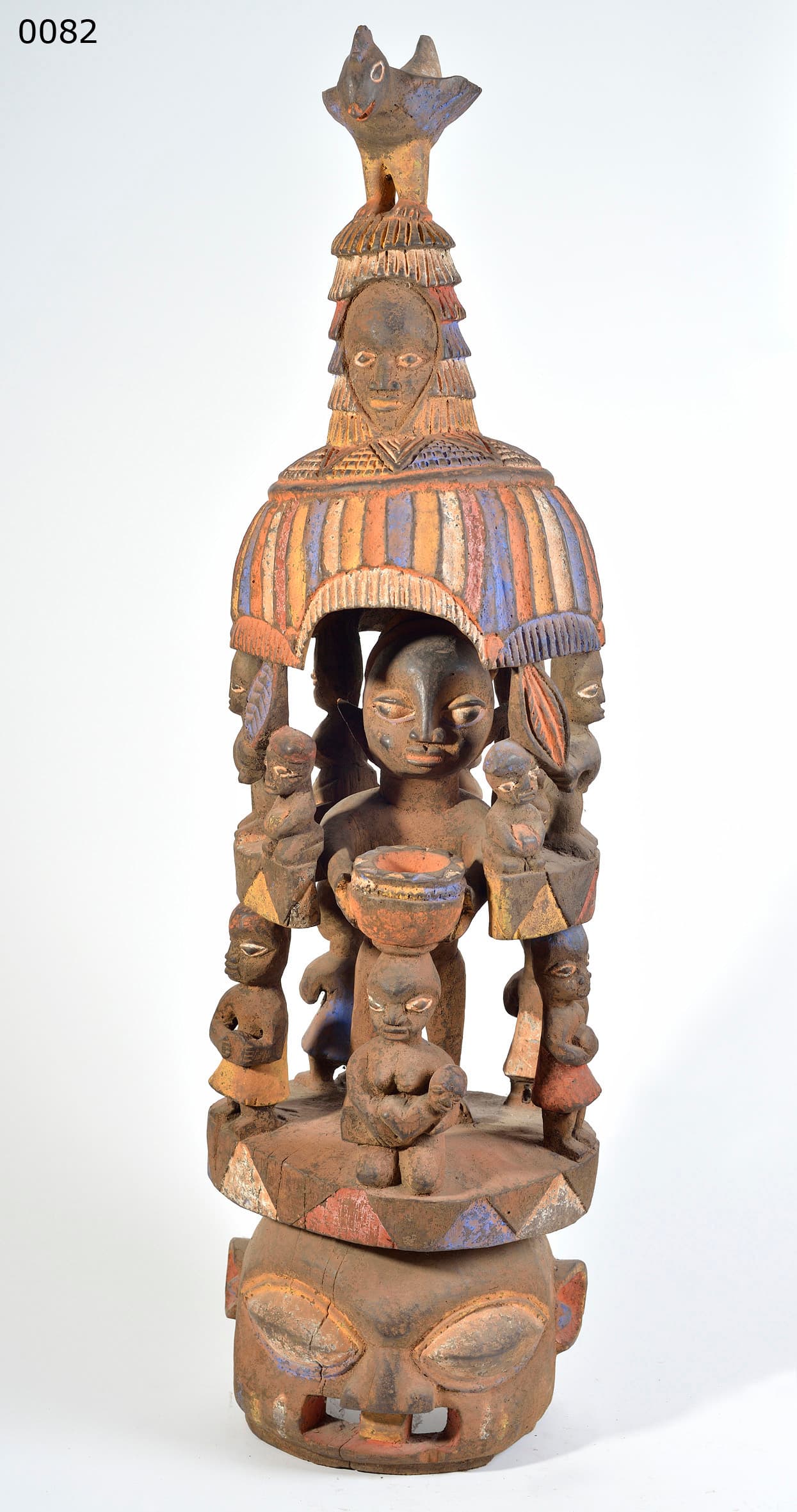
A complex, intricately carved wooden vessel. It features an elaborately decorated base supporting a large bowl, closed by a lid surmounted by an equestrian figure (a rider on a horse).
1. Aesthetic Style and the Architecture of Divination
This vessel is an elaborate example of Yoruba narrative woodcarving. The aesthetic is highly structural, utilizing tiered, high-relief carving to give the storage vessel an architectural presence. The central focus is the lid, crowned by an equestrian figure — a classic Yoruba motif representing martial power, community leadership, and elevated status. The carving is detailed, with geometric borders and smaller subsidiary figures wrapping around the main bowl, designed to project an aura of sacred authority.
2. Ritual Function and the Babalawo's Arsenal
Consistent with descriptions documented by Hornek, this is identified as an Ifa oracle pot. The Ifa divination system is among the most complex spiritual and intellectual traditions in West Africa — Hornek describes it as being "of outstanding importance within the Yoruba tribe." The inventory documented by Hornek of sacred implements stored in such an oracle pot, used by the Babalawo (the oracle priest), includes:
- The fortune-teller chest chain worn by the priest
- A certain number of palm nuts (ikin)
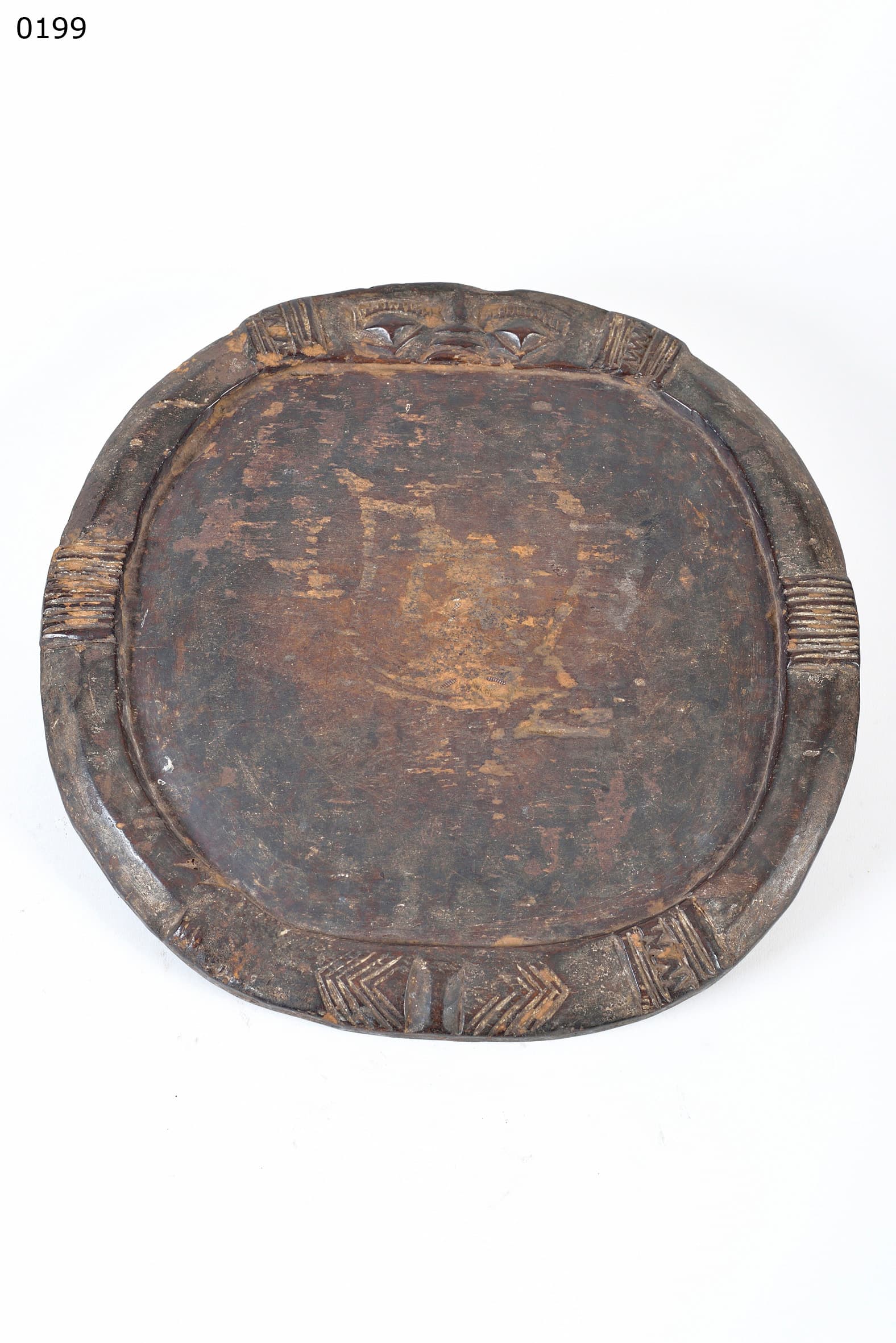
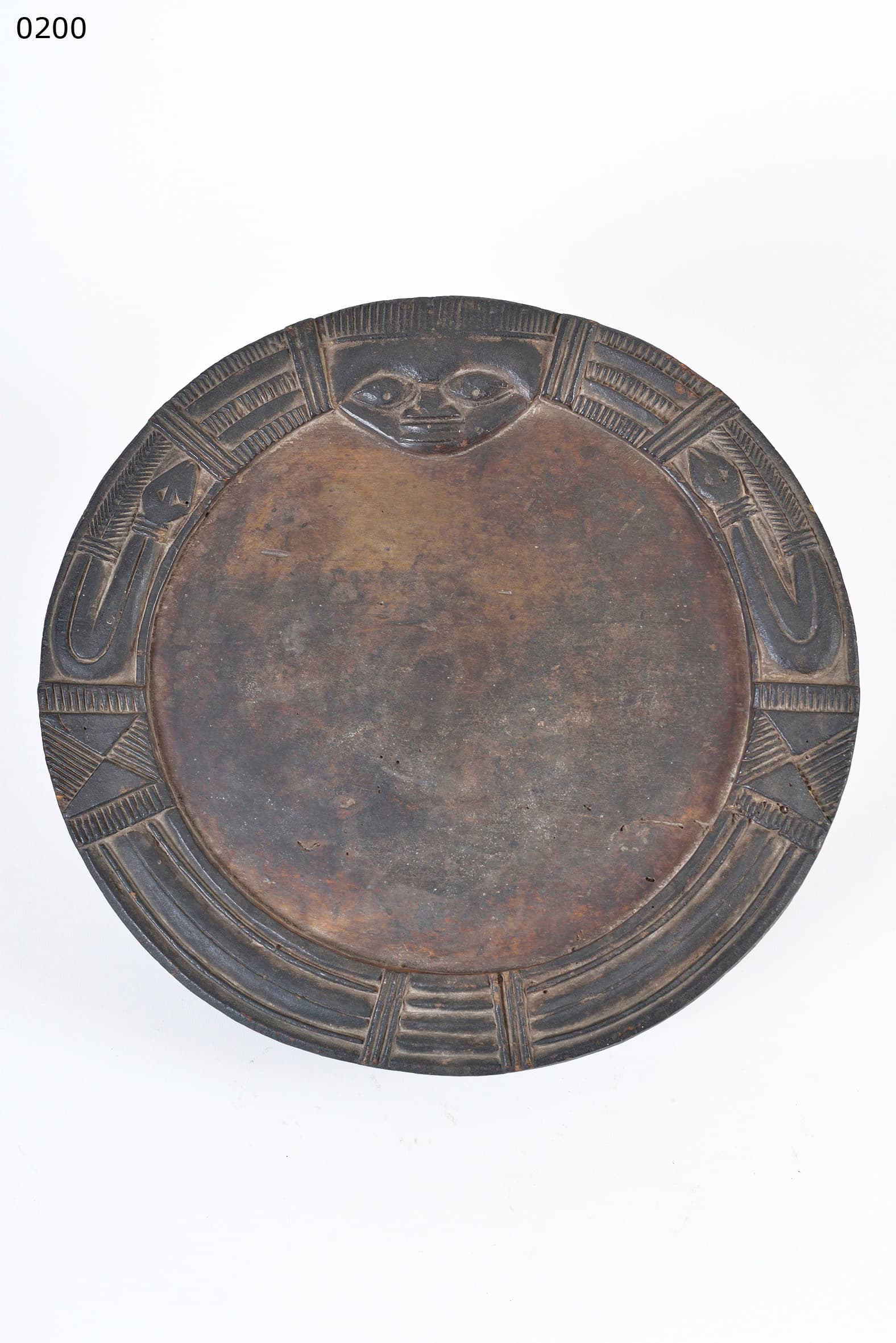
- The flat oracle board (opon Ifa), "mostly of hard wood and decorated at the edges"
- The small staff — formerly made from ivory, today from wood
According to Hornek's accounts, the Ifa oracle is consulted "without distinction on the social position" — with neither trouble nor financial expenditure spared when consulting a Babalawo for daily-life decisions, illnesses, or future worries.
3. Patina, Material Weathering, and Indications of Age
The vessel exhibits a deep, polished handling patina. Its surface shows wear consistent with use as a tool of a Babalawo, suggesting it was touched, moved, and kept in a protected, indoor environment. The highest points of relief — the head of the rider, the horse's snout, and the rim of the lid — show a dark, oily sheen compatible with the transfer of lipids through handling. The intricate recesses retain dust, consistent with use within Yoruba intellectual and spiritual practice.
Summary
This Yoruba oracle pot is a significant example of divination art. Its polished, intricately carved surface housed the sacred implements of the Babalawo, making it a notable representative of West African intellectual tradition.
Written with AI assistance from the collection appraisal, object photography and our own research; editorially reviewed. Mistakes are possible — corrections are welcome. How we work →