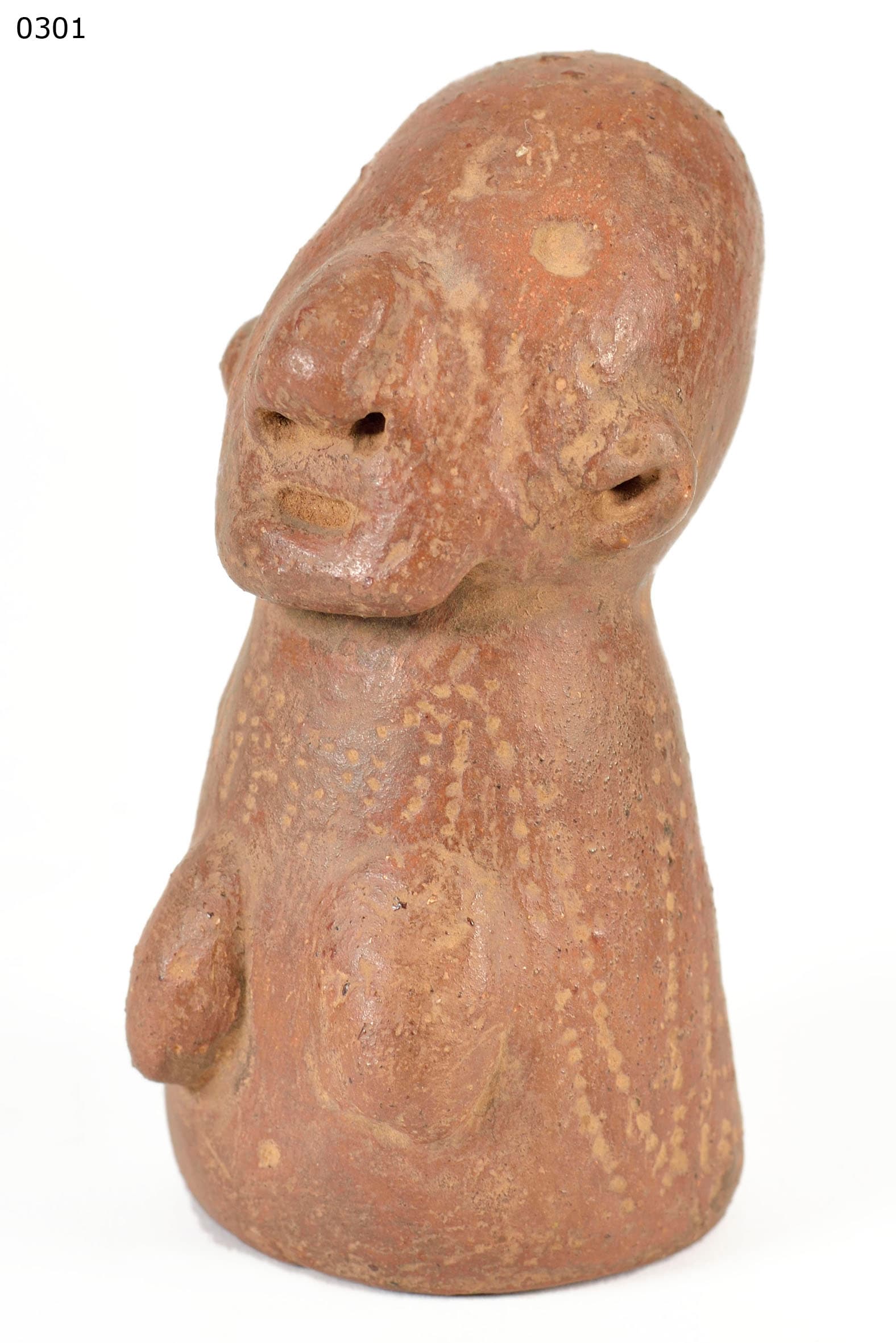
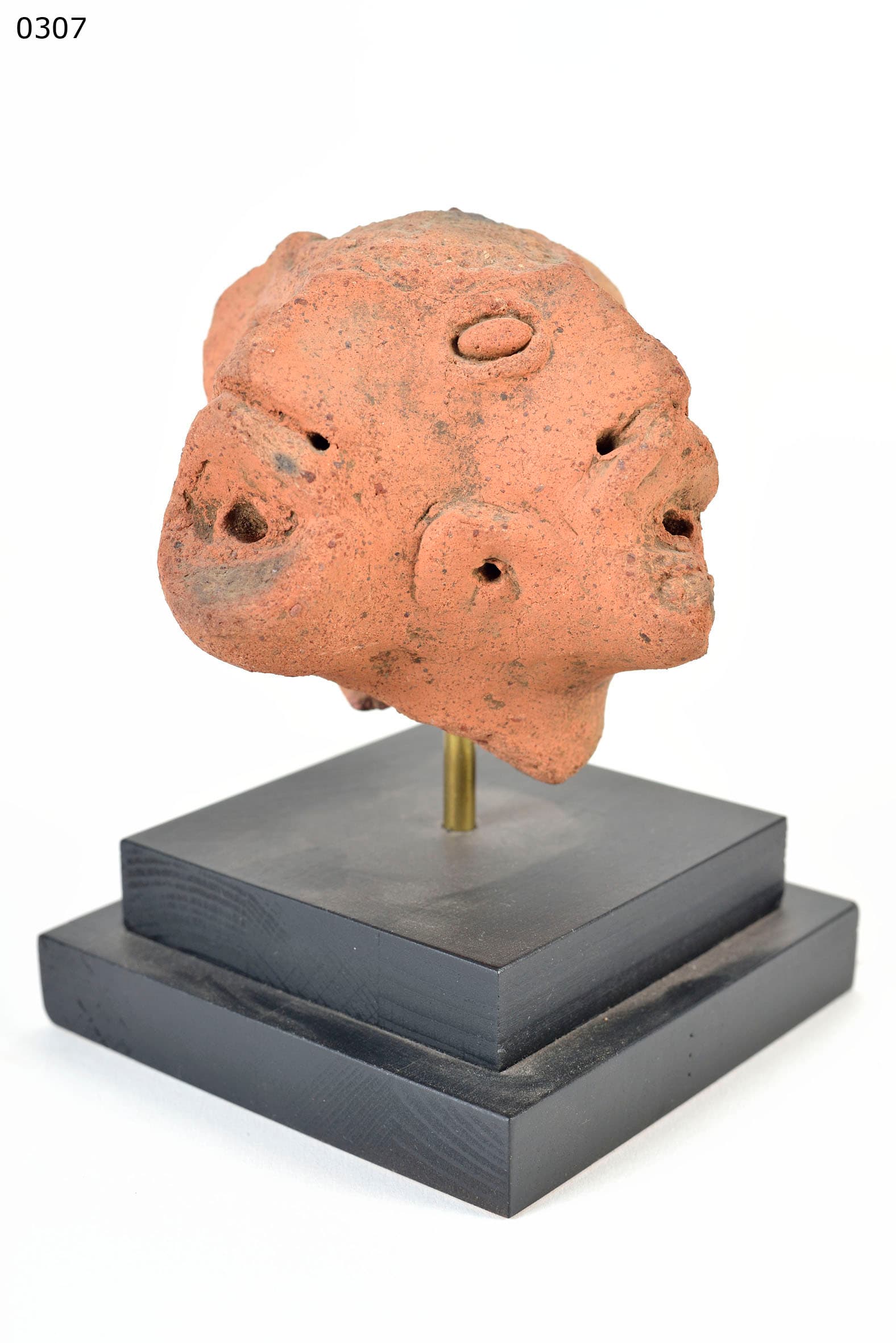
The Yoruba are a Nigerian people of the urbanised south-west, known for ibeji twin figures, bulging-eyed carvings reflecting the Ori concept and a rich masquerade tradition.
Overview
The Yoruba settlement area extends primarily across the south-west of what is now the Federal Republic of Nigeria as well as neighbouring regions in the Republic of Benin and Togo. Demographic projections by the United Nations Population Fund (UNFPA) for the year 2025 estimate the total population of Nigeria at around 237.5 million people, of which the Yoruba form the largest coherent single ethnic group in the country with an estimated 53.2 million individuals (around 21 to 22 per cent of the total national population) (UNFPA 2025: URL). Additional populations can be found in Benin with around 1.6 million and in Togo and Ghana with significant but smaller minorities, which emphasises the transnational dimension of this ethnic group (Joshua Project 2025: URL). Linguistic categorisation places the Yoruba language, a highly complex tonal language with pronounced dialect diversity, in the Kwa subgroup of the Niger-Congo language family. The nomenclature and self-designation of the group is historically extremely complex and was characterised by extreme fragmentation for a long time. The term "Yoruba" (historically also "Yariba"), which is used universally today, was originally an exonym used exclusively by neighbouring Hausa and Fulani groups for the inhabitants of the northern Oyo kingdom. It was not until the late 19th century, largely driven by the Anglican bishop and linguist Samuel Ajayi Crowther, that this term was established as an overarching linguistic and identity bracket for all subgroups (Apter 2010: 358). Previously, the respective populations identified themselves primarily through their affiliation to specific, politically autonomous city-states or sub-ethnic groups, including the Egba, Ijebu, Ijesha, Ekiti, Awori and Ondo. In the Atlantic diaspora, which emerged as a result of the transatlantic slave trade, alternative nomenclatures have survived to the present day: In Cuba, the Yoruba-led culture is referred to as Lucumi, in Brazil the terms Nago or Queto dominate, and in Sierra Leone the Aku group formed (Apter 2010: 359).
The social structure of the Yoruba is fundamentally hierarchically organised and is based on a strongly urbanised city-state tradition (ìlú) that has developed over centuries, which distinguishes them drastically from the acephalous social structures of other West African groups (such as certain Igbo subgroups). The architectural, political and ritual centre of each kingdom is the palace (ààfin) of the sacred ruler (ọba), whose power, however, is controlled and balanced by complex councils, secret societies and title holders (ìwàrèfà) (Bascom 1969: 23). Grouped around this palace are the residences of the patrilineal descent groups (ilé), which act as corporate entities and hold collective rights to land and specific ritual and political titles. In ethnological research, however, there is a profound controversy regarding the exact nature of this kinship system. The sources are ambiguous on this point and strongly characterised by regional variations: While the British anthropologist Peter Lloyd argued in the 1950s and 1960s that Yoruba society was strictly based on agnatic (patrilineal) descent groups, which were the absolute building blocks of the political order, Bender (1970) challenged this view. He and later Andrew Apter postulated a far greater cognatic flexibility in which individuals could gain access to titles and land rights through complementary filiation (the utilisation of maternal lineages), especially in southeastern regions such as Ondo or Ekiti (Apter 2010: 358; Lloyd 1966). This debate makes it clear that rigid categorisation into purely patrilineal systems often does not do justice to the fluid social reality of the Yoruba.
The subsistence economy of the Yoruba exhibits a remarkable demographic paradox, which William Bascom categorised as the phenomenon of the "urban farmer". Despite the high rate of urbanisation, the majority of the traditional population lived from agriculture, with farmers residing in the densely populated cities and commuting daily to their often distant fields (Bascom 1969: 18). The structural dominance of the urban model is still statistically tangible today: Of Nigeria's 50 largest cities, 22 are located in historic Yorubaland - a demographic density that is without parallel in West Africa and perpetuates the city-state tradition (ìlú) as the very substrate of Yoruba identity. The agricultural basis is formed by yams (the ritually and economically most valuable crop), manioc, maize and traditionally cotton and palm oil. Historically, relations with neighbouring peoples were characterised by a constant interplay of tributary dependencies, intensive long-distance trade and military expansion. Particularly significant was the ongoing rivalry between the Oyo empire and the kingdom of Dahomey (the Fon) in the west, which was at times subject to tribute to the Oyo empire before expanding massively into Yoruba territories in the 19th century. In the north, the Fulani jihad that began in the early 19th century led to the collapse of the old Oyo Empire and the Islamisation of large parts of northern Yoruba territory, especially Ilorin. These historical border conflicts and cultural overlaps are documented in a hybrid material culture on the peripheries of the settlement area, as is impressively demonstrated by the holdings in the Fowler Museum of the University of California, Los Angeles (UCLA), which show the fluid exchange of identities in the Benue Valley and on the northern borders of Yorubaland (Berns et al. 2012: 14).
Cultural context
The religious system of the Yoruba, often subsumed under the term Orisa religion, is based on an ontologically divided, highly complex cosmological order. The universe is divided into the material, visible world of the living (ayé) and the invisible, metaphysical sphere (ọrun), in which the Creator, the ancestors (ara ọrun) and an immense pantheon of natural and spiritual beings reside (Abiodun 2014: 53). At the absolute head of this cosmology is Olodumare (or Olorun), the all-powerful creator god. Unlike in Abrahamic religions, however, Olodumare is regarded as so exalted and removed from human concerns that neither direct sacrifices are offered to him nor are physical shrines or sculptural representations dedicated to him. Instead, active, everyday cult practice centres on the òrìṣà - a group of hundreds of deities that function as emanations of Olodumare. These òrìṣà are mostly personified forces of nature or deified historical figures and ancestors. The canonical òrìṣà worshipped in almost all city-states include Obatala (the creator of the human form, associated with purity and the colour white), Ogun (the god of iron, war and technology), Shango (the fourth mythical king of Oyo and god of thunder, characterised by his aggressive, 'hot' energy) and Osun (the goddess of rivers, fertility and female power) (Thompson 1976: 3/2; Abiodun 2014: 68).
The mediation between the ayé and ọrun spheres is the responsibility of specialised ritual authorities. The intellectual and spiritual backbone of the Yoruba religion is the Ifá divination system. The Ifá priests (babalawo, literally "father of secrets") use a binary mathematical system based on 256 primary odu (chapters) to fathom the will of the gods by throwing palm nuts or opele chains and to decipher the predestined fate (orí) of an individual (Bascom 1969: 83). In addition to the priests, secret societies play a central role in maintaining the cosmic and political order. The Osugbo or Ogboni society, whose iconography often displays androgynous or twin-like traits, worships the earth (Ilè) as the ultimate moral authority and traditionally functions as the supreme court and political counterweight to the monarch. The role of women in the cult is characterised by fundamental importance and extreme ambivalence. In Yoruba philosophy, female power (ìyá nlá, the "Great Mother") is seen as existential for the survival of the community, but at the same time harbours destructive potential if it is not honoured. This manifests itself in the belief in the ìyàmi (the mothers or witches), whose spiritual power can be both protective and destructive. Central initiation and transition rituals, especially the Gelede mask festivals in southwestern Yorubaland (Egbado, Ketu), serve the exclusive purpose of appeasing and entertaining these female forces and securing their life-giving energy for the community (Drewal & Drewal 1983: 5-7).
Structurally, the Yoruba religion differs significantly from the metaphysical systems of neighbouring groups such as the Vodun of the Fon (Dahomey) or the cults of the Edo (Kingdom of Benin). While the Fon under King Agaja strongly centralised their religious system in the 18th century and created a state-controlled pantheon that was directly linked to the ruling dynasty in Abomey, the Yoruba religion remained extremely decentralised and far more absorbent (Apter 2010: 71-97). The autonomous city-state structure of the Yoruba was reflected in a fluid, open pantheon model that tolerated local variations and was able to adapt foreign influences, which contributed significantly to their survival and dominance in the Afro-American diaspora (Cuba, Brazil).
There are profound controversies within the art-historical and archaeological study of Yoruba ritual material culture. Probably the most significant iconographic and historical debate centres on the classicist copper alloy heads from Ile-Ife (ca. 12th-15th century). The controversy between Suzanne Preston Blier and Henry John Drewal illustrates the complexity of the interpretation of these highly naturalistic works. Blier (2015) argues that these heads represent specific royal portraits and are closely linked to the patronage of King Obalufon II. She interprets the distinctive, extremely fine vertical lines that cover the face of many of these sculptures as indicators of political identity, dynastic affiliation or as temporary medical scarification applied to infants (Blier 2015: 70-85). Henry John Drewal (1989), on the other hand, rejects this royal interpretation of the scars and postulates that the facial markings rather signalled slave status, foreignness or the ritual connection to specific non-royal lineages. Drewal also links the heads to secondary burial rituals and ancestor veneration rather than direct dynastic representation of rule (Drewal 1989: 63; Blier 2012: 84).
The dating and function thus remain the subject of intense academic debate, which is often reflected in the exhibition texts of large museums such as the British Museum or the Musée du quai Branly through the parallel presentation of both hypotheses.
Aesthetic features
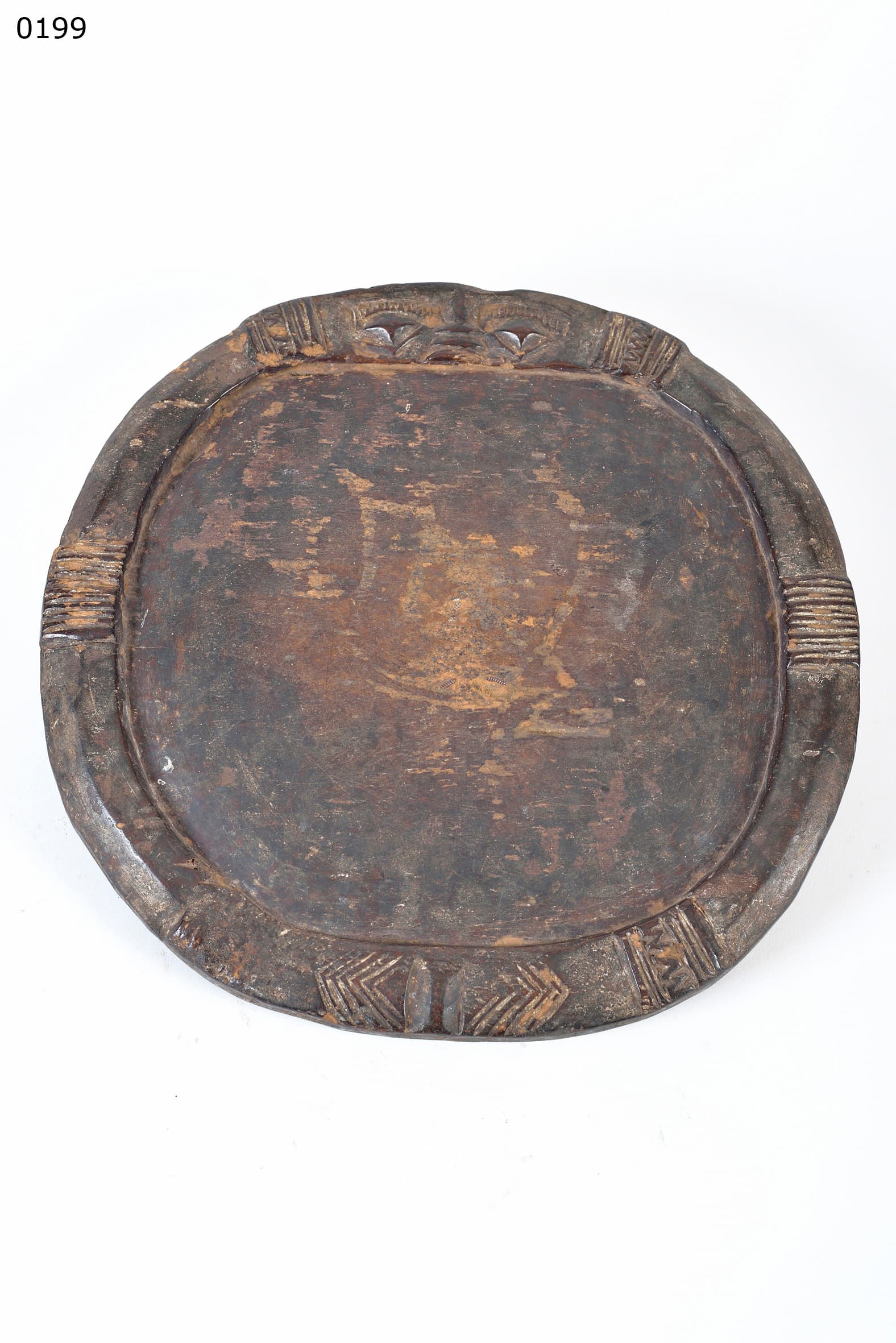
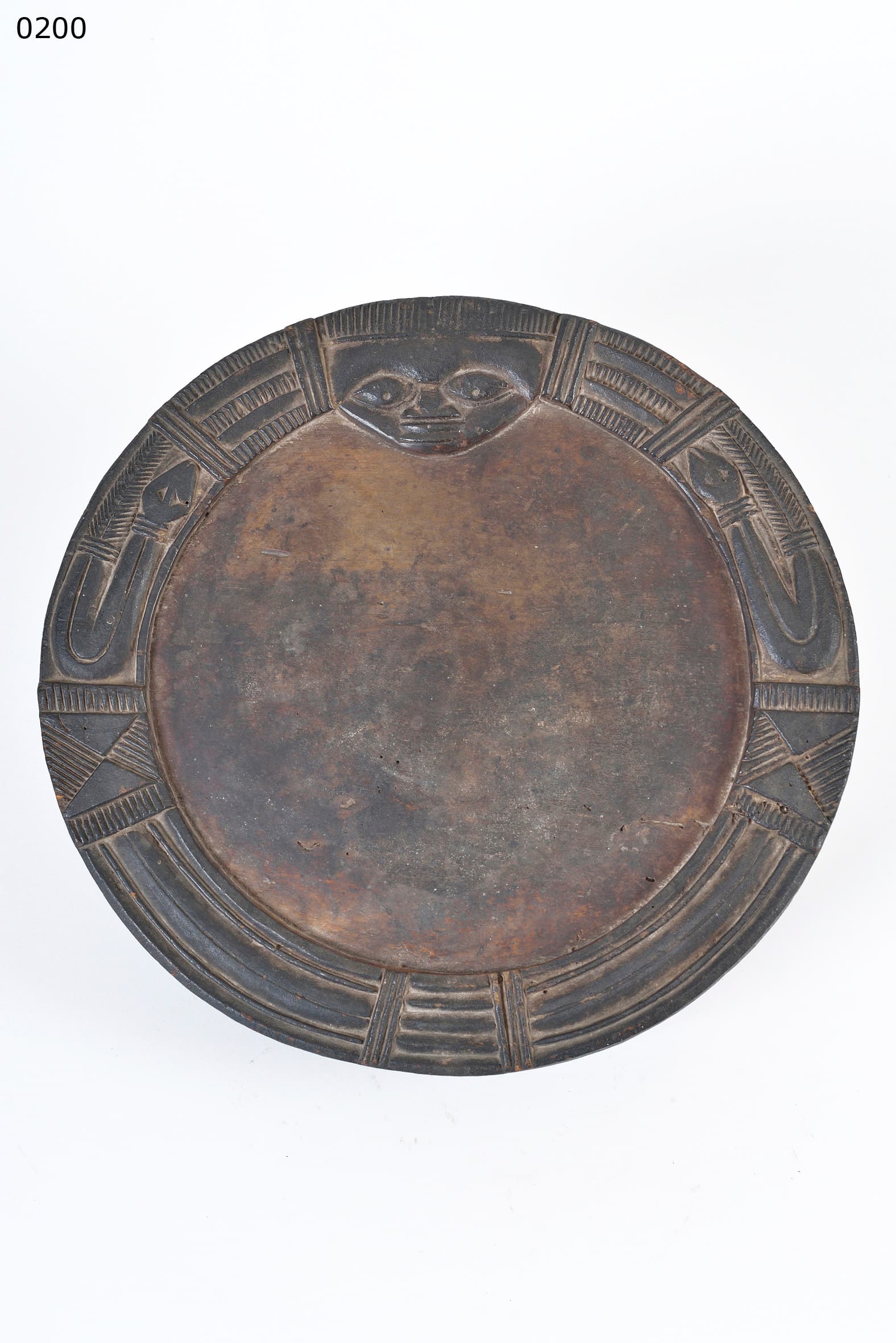
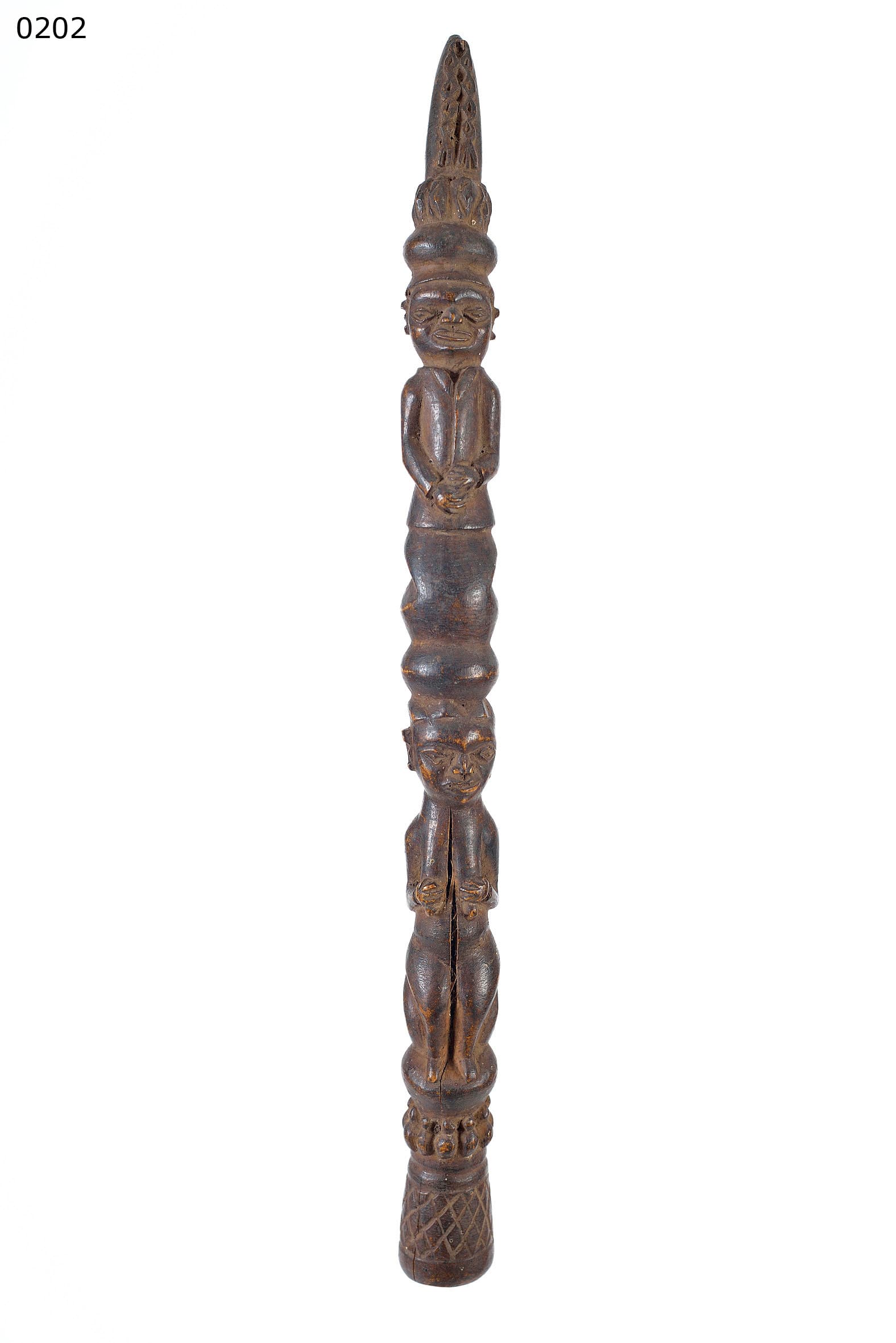
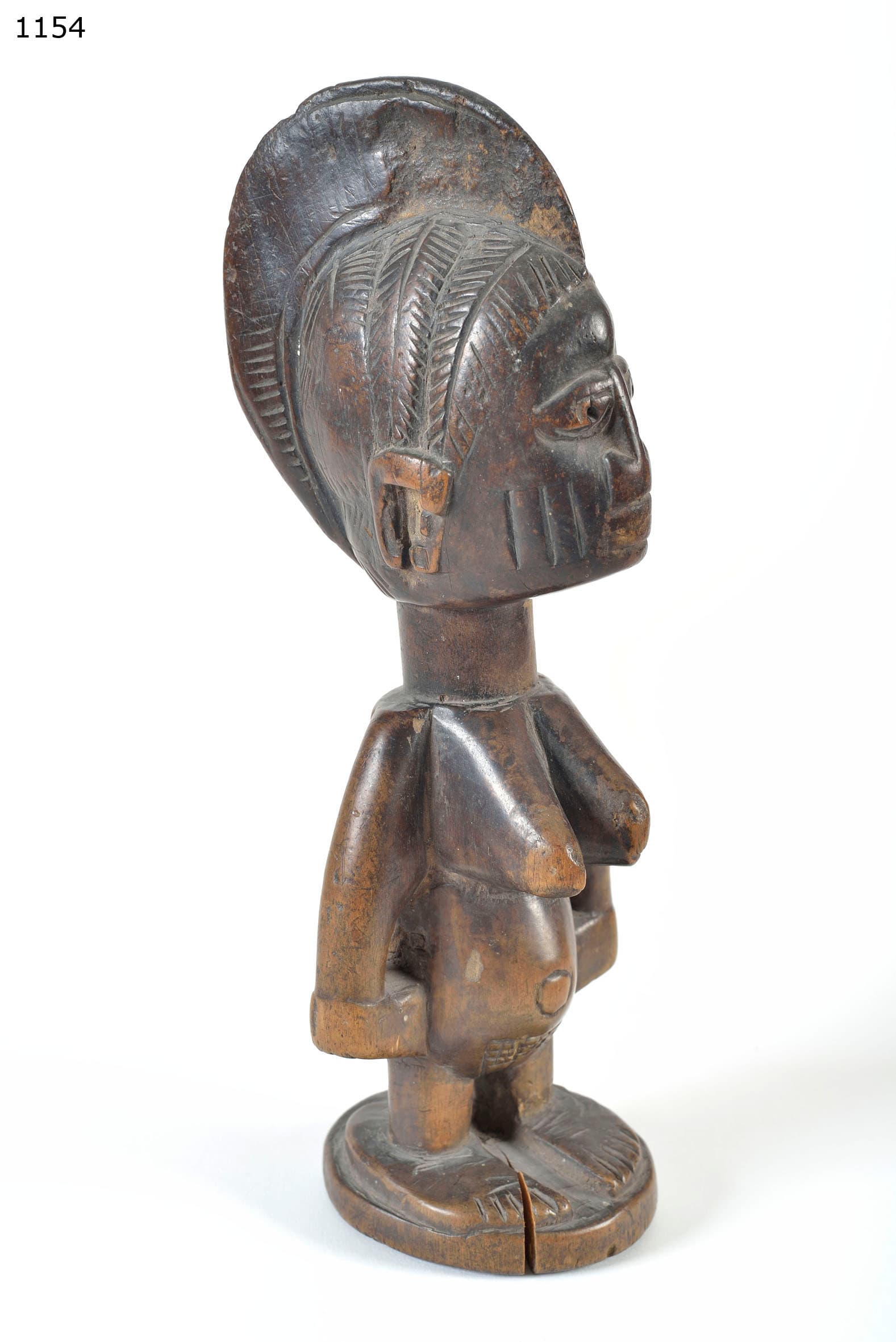
The canonical object typology of Yoruba art is characterised by a broad spectrum of sculptural works that are highly specialised in their morphology and iconography. Among the most ubiquitous types are the ère ìbejì, small, usually 20 to 30 centimetre high twin figures made of wood. They always have adult physiognomic features such as pronounced breasts or genitalia as well as elaborate hairstyles, although they represent deceased infants. This iconography reflects the status of the twins as powerful spiritual beings who exist beyond linear biological time. Another dominant mask type is the gelede mask, a helmet mask worn on the head. It consists of an idealised human face with a calm, cool expression (ìtútù) in the lower part, often crowned by highly complex, narrative superstructures depicting everyday scenes, animals or modern technologies (such as sewing machines or motorbikes). The epa or elefon headdresses from the north-eastern Ekiti region are monumental, often over a metre high and weighing up to 30 kilograms; they consist of a Janus-headed, pot-like helmet topped by complex groups of figures (equestrian warriors, mothers with children). The egungun mask costume, on the other hand, often dispenses completely with wooden sculpture and materialises the ancestral spirit exclusively through extremely dense, voluminous layers of imported and local textiles, which develop a kinetic presence when the dancer turns. Indispensable to the Shango cult are the oṣé Shango (thunder sticks), wooden dance sticks whose upper end forms a stylised double axe that often grows out of the head of a kneeling priestess and symbolises the descent of the heavenly lightning into human consciousness. The Ifá divination instruments primarily include the ọpọn Ifá (divination board) and the agere Ifá (cup for storing palm nuts). The boards, whether round or rectangular, almost always have the carved face of the trickster god Eshu on their edge, who oversees the ritual communication channel between humans and the cosmos (Abiodun 2014: 68-78; Drewal & Drewal 1983: 265).
The formal and proportional canon of all these Yoruba sculptures is deeply rooted in the philosophical ontology of the group. The concept of àṣẹ - the performative, life-giving energy that translates words into actions and structures the physical world - is the guiding premise of material culture (Abiodun 2014: 53-87). This translates physically into a canon of proportions in which the head (orí) is depicted significantly enlarged, usually in a ratio of 1:3 or 1:4 to the rest of the body. This focus results from the belief that the physical head (orí òde) is the housing for the spiritual, inner head (orí inú), which contains the predestined destiny and immortal essence of the individual (Abiodun 2014: 2-3).
The choice of material and the development of patina are the decisive vectors through which a profane object becomes an activated ritual object. A freshly carved piece of wood (often iroko or other sacredly coded woods) possesses the aesthetic form, but is spiritually inert. It is only through the application of ritual matter - palm oil, crushed kola nuts, blood from sacrificial chickens, indigo dye (aro) or red tukula wood powder (osun) - and the recitation of praise poems (oríkì) that the àṣẹ is anchored in the object. This continuous feeding and care leads to the formation of a dense, organic and often encrusted patina over the years. This sacred patina is a key forensic feature in the evaluation of artworks in institutions such as the Rietberg Museum in Zurich or the Metropolitan Museum of Art. For private collectors, forgery criteria are highly relevant: While natural ageing is characterised by deep heartwood cracks and authentic, irregular feeding galleries of termites, forgers often use artificial resins, epoxies, wood dust pressed into the drill holes or sandblasting techniques to simulate old age. An authentic sacrificial patina fluoresces organically under UV light, while modern binders reveal synthetic signatures (Mankowski et al. 2024: 1-5; Salvadori et al. 2019: 12).
Contrary to early Western primitivist tropes of anonymous tribal art, research on Yoruba art has documented a large number of known masters and workshops. To illustrate the nuances and craftsmanship excellence of these documented master workshops, the matrix below provides a comparative analysis of the two most prominent sculptors of the 20th century. This stylistic juxtaposition enables collectors and curators to precisely identify specific hands in museum collections.
| Feature | Olowe of Ise (ca. 1873-1938) | Areogun of Osi-Ilorin (ca. 1880-1954) |
|---|
| Spatial composition | Refraction of frontality; figures often dissolve asymmetrically and three-dimensionally into the space, creating kinetic energy. | Strict blockiness; dense, controlled compositions in which the figures remain strictly within the architectural boundaries. |
| Depth of relief; from extreme high relief to fully sculptural, almost free-standing carving (especially on palace doors and porch posts). | Rather shallow relief; the focus is on the orderly, narrative stacking and the fine surface engraving (stacked perspective). | |
| Anatomical proportions | Strongly elongated, swan-like necks; extreme overemphasis of the head (orí); dynamic bending of the knees and limbs. | Compressed, stocky figures; less vertical elongation, but broader shoulders and a massive appearance. |
| Facial details | Emphasised almond-shaped eyes; often depicted with a gap between the upper incisors (a Yoruba beauty ideal). | Calmer, broader faces; detailed but less expressive facial features; focus is on the textured surface of the hairstyle. |
| Signature / Verification | Rarely formal markings; identification is almost exclusively based on the unmistakable dynamics of movement and colour composition. | Frequently documented signature in the form of a carved triangle at the base or back of objects such as lidded bowls (opon igede). |
Two of the most famous carvers, Olowe of Ise and Areogun of Osi-Ilorin, significantly influenced the style of the Ekiti region. Olowe of Ise is known for his radical refraction of classical frontality; his porch posts and palace doors show figures with elongated necks, extreme high relief and a kinetic dynamism that reaches deep into the space. Areogun, on the other hand, favoured a dense, strictly structured narrative blockiness in flatter relief with stacked perspectives, often verified by a small carved triangle as a signature (Walker 1998; Zemanek; Abiodun 2014).
Ritual practice
The ritual practice of the Yoruba can be described analytically as a continuous cycle of accumulation, care and eventual deactivation of sacred matter. At the centre is the use of altars, which in Yoruba ontology do not merely serve as storage areas for sculptures, but function as the 'face of the gods' and transcendental threshold places where the worlds of the living (ayé) and the spirits (ọrun) meet (Thompson 1976: 52; Abiodun 2014). The structure of an altar is a deliberate architectural and spiritual construction. For example, the iron forging rod of the deity Òrìṣà-Oko must never have direct contact with the ground, as the earth is the sphere of the ancestors; it is therefore always placed in raised brass vessels.
The cult of the ère ìbejì is a particularly intimate example of the ritual practice and lifecycle of an object. The high genetic prevalence of twin births among the Yoruba historically correlated with a significant infant mortality rate. When a twin died, the Ifá divinator identified the need to have a wooden figure carved to anchor the child's unsteady soul and ensure the survival of the remaining twin. The lifecycle begins with the carver who supplies the mundane blank. The mother or a priestess is responsible for activating the figure. The figure is ritually washed, wrapped in special cloths and physically integrated into the family structure (Abiodun 2014; Bascom 1969). The regular offerings consist of the children's favourite foods (such as beans or palm oil), which are spread directly on the sculpture's mouth. The heads of the figures are intensively rubbed with blue indigo (aro) to calm the orí and cool the heat of death, while the bodies are rubbed with protective, reddish camwood powder. This years-long ritual friction often causes the sculpture to lose its sharp contours set by the carver, giving it a smooth, organically rounded surface that is highly valued in Yoruba aesthetics as a sign of successful ritual care.
The mask performances that take place at Egungun or Gelede festivals operate on a more social level. Here, the wooden mask alone has no function. Activation requires a multi-sensory interplay: the complex costuming that completely obliterates the dancer's human body, the smell of sacrificial animal blood, the singing of the oríkì by accompanying women and, above all, the syncopated polyrhythms of the bàtá or dùndún drums are imperative in order to call down the ancestral spirit into the dancer's body (Drewal & Drewal 1983: 265). The performance is therefore not a static game of representation, but the literal incarnation of the àṣẹ. Regional variations are characteristic here: while the Egungun cult with its textile volumes dominates in Oyo, the East (Ekiti) focusses on the heavy Epa masks, the wearers of which have to complete enormous jumps on clay hills in order to guarantee the agri-cultural and social stability of the place.
One aspect that often irritates Western collectors is the deactivation and disposal of ritual objects. In Western museology, art is preserved for eternity; in Yoruba philosophy, objects are subject to a natural cycle of decay. If a mask or figure is structurally destroyed by termites (which is understood as a legitimate, natural process of returning to the earth (Ilè)) or climatic influences, it does not necessarily lose its value, but is replaced by a new one. The remains of the old object are often left in shrines, where they rot away. However, if there is ritual contamination, a breach of taboo or the collapse of a particular cult (for example through massive conversion to Christianity or Islam), the objects undergo deliberate "rubbish rituals" (disposal rituals). In order to avoid the dangers of spiritual feedback (reverse contagion) and to decommodify the objects, they are ritually deactivated (Motajo 2025: 213-216; Crivelli 2018). This is done by deliberately scraping off the sacred patina, deliberately disfiguring the facial features or - as the ultimate measure of destroying meaning - by burning. Many Yoruba artefacts that are exhibited today in the showcases of the Musée du quai Branly or the Royal Museum for Central Africa in Tervuren were ritually deactivated by their owners during phases of religious upheaval in the 19th and early 20th centuries and sold to dealers, which finally ended their ontological significance as "living" deity vessels (Savoy & Sarr 2018).
Historical context
The historiography of the Yoruba is a complex web of indigenous myths, archaeological findings and colonial narratives that are intensively debated in academic literature. The central migration story is based on the founding myth of Ile-Ife. According to legend, the supreme god Olodumare sent the deities Obatala and Oduduwa to create solid land from the primeval watery desert. Oduduwa, who descended on an iron chain, established himself as the first ọba (king) and ancestor of all subsequent Yoruba dynasties. In contrast to this indigenous myth, there are theories popularised by Islamic and later Christian scholars such as Samuel Johnson, which postulate a migration of Oduduwa from the Middle East (Mecca or Egypt). Modern historical and archaeological research, however, largely regards these transmigration theories as ideological attempts by later elites to inscribe themselves in an Abrahamic or Near Eastern prestige genealogy (Lange 2011: 580; Apter 2010).
The most explosive research controversy of the 20th century was sparked by the discovery of the highly naturalistic copper alloy heads at Ile-Ife. When the German ethnologist Leo Frobenius uncovered these sculptures in 1910, he was intellectually unable to attribute their aesthetic and metallurgical sophistication - cast using the highly complex cire-perdue process - to an indigenous African population. Trapped in the Eurocentric and racist tropes of his time, Frobenius published the thesis that he had found the remains of an ancient Greek colony identical to the Platonic myth of Atlantis (Frobenius 1911; Willett 1960: 231-248). This colonial expropriation of African art history persisted for decades. Only the systematic, stratigraphic excavations by the British archaeologist Frank Willett in the late 1950s and 1960s at the Ita Yemoo site proved beyond doubt the autochthonous Yoruba origin of the bronzes. Based on radiocarbon and thermoluminescence dating, Willett solidly dated the heyday of Ife art to the 12th to 15th centuries, thus finally destroying the Atlantis myth (Willett 1960: 239-241; Blier 2015).
The colonial encounter with the British (from the formal annexation of Lagos in 1861 and the gradual subjugation of the hinterland) changed art production dramatically. The introduction of imported tools, industrial pigments (such as the so-called wash blue instead of organic indigo) and the dwindling economic power of traditional palace patronage forced many master carvers to turn to new markets. Market history in the West experienced its first great boom in the 1920s and 1930s. Parisian dealers such as Paul Guillaume, Louis Carré and especially Charles Ratton instrumentalised the formal interest of the European avant-garde (Picasso, Matisse, Modigliani) to elevate African objects from ethnographic curiosities to high-priced "primitive art". The absolute breakthrough on the US market came in 1935 with the groundbreaking exhibition African Negro Art at the Museum of Modern Art (MoMA) in New York, curated by James Johnson Sweeney. Ratton, who acted as a key advisor, and Sweeney succeeded in presenting the wooden and bronze sculptures in isolation in front of white walls - rigorously separated from their ritual context, which still characterises the modern art market for African objects today (Sweeney 1935: 11-25; Salvadori et al. 2019).
With the price explosion on the international art market in the second half of the 20th century, the problem of forgery escalated. Today, modern forgery workshops in Nigeria, Togo and Cameroon produce Yoruba sculptures that fulfil Western expectations of "patina" and "age" with alarming precision. Museums and collectors are increasingly having to use forensic methods to establish criteria of authenticity. A genuine sacred patina, created by decades of applying palm oil, blood and millet paste, has organic cell structures. Counterfeiters often try to imitate this by burning in epoxy resins mixed with wood dust, but this is revealed under UV light analyses by a deviating, synthetic fluorescence. Real age is shown in the wood structure by deep, natural heartwood cracks caused by the extreme climatic changes between Harmattan drought and monsoon rains, whereas artificially dried wood tends to show superficial stress cracks. Termite infestation is often artificially enforced in the forgery market by burying objects in termite mounds; however, forensic scientists use compressed air tests to detect recent drill dust (frass) in the corridors, suggesting that the infestation occurred after completion and not during decades of storage in an African shrine (Mankowski et al. 2024: 1-5; Salvadori et al. 2019: 12). In view of these massive market risks, only those Yoruba pieces whose provenance can be traced back to first collectors or to the archives of institutions such as the Musée du quai Branly or the Tervuren Museum (RMCA) before the 1940s are considered absolutely flawless today.
Sources & References
This dossier draws on standard scholarship in Yoruba studies. For deeper reading and image archives, see:
Inline citations in this dossier (Apter 2010; Bascom 1969; Drewal & Drewal 1983; Thompson 1976; Abiodun 2014; Berns et al. 2012) refer to canonical works in Yoruba studies; full bibliographic resolution is pending a researcher pass.