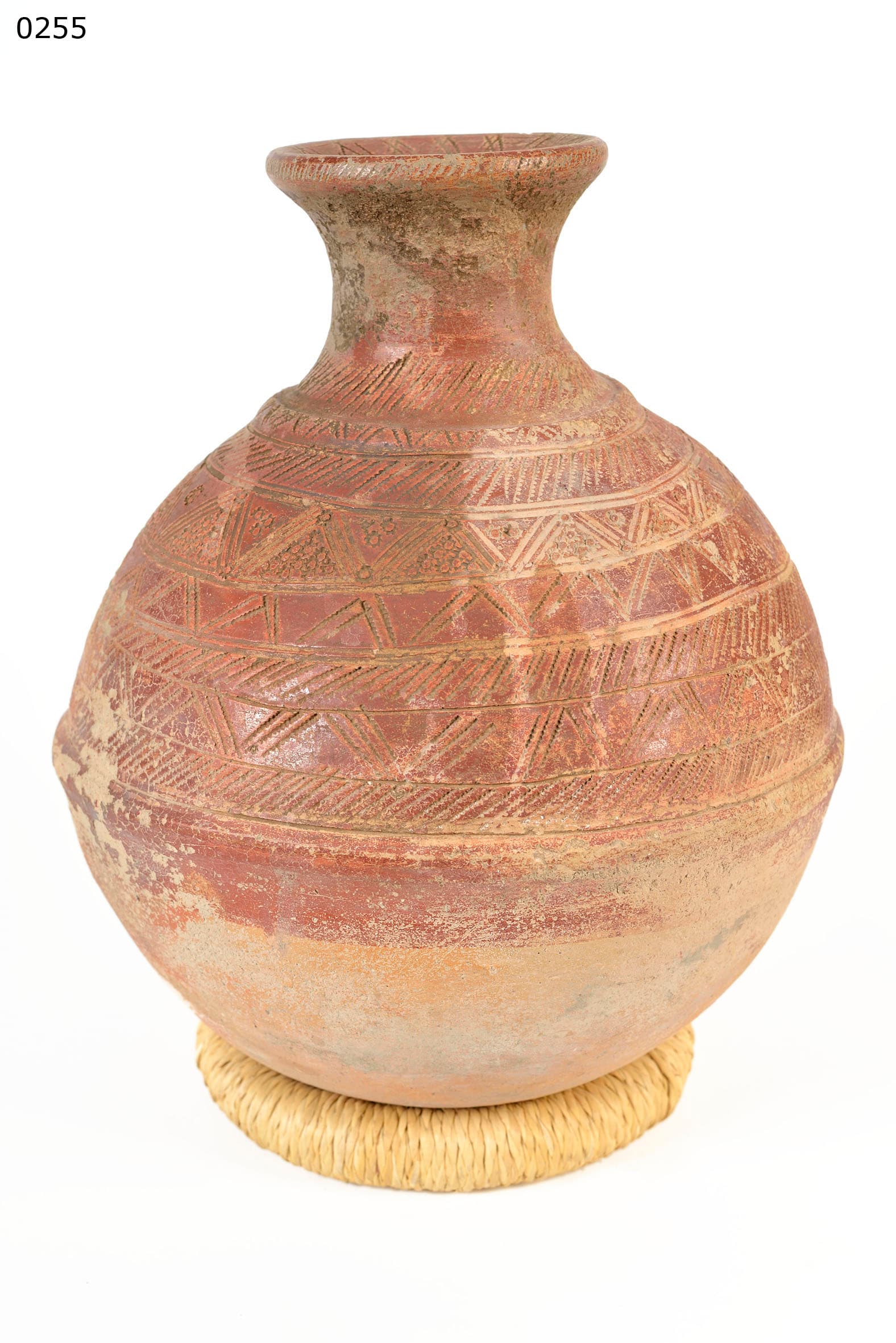
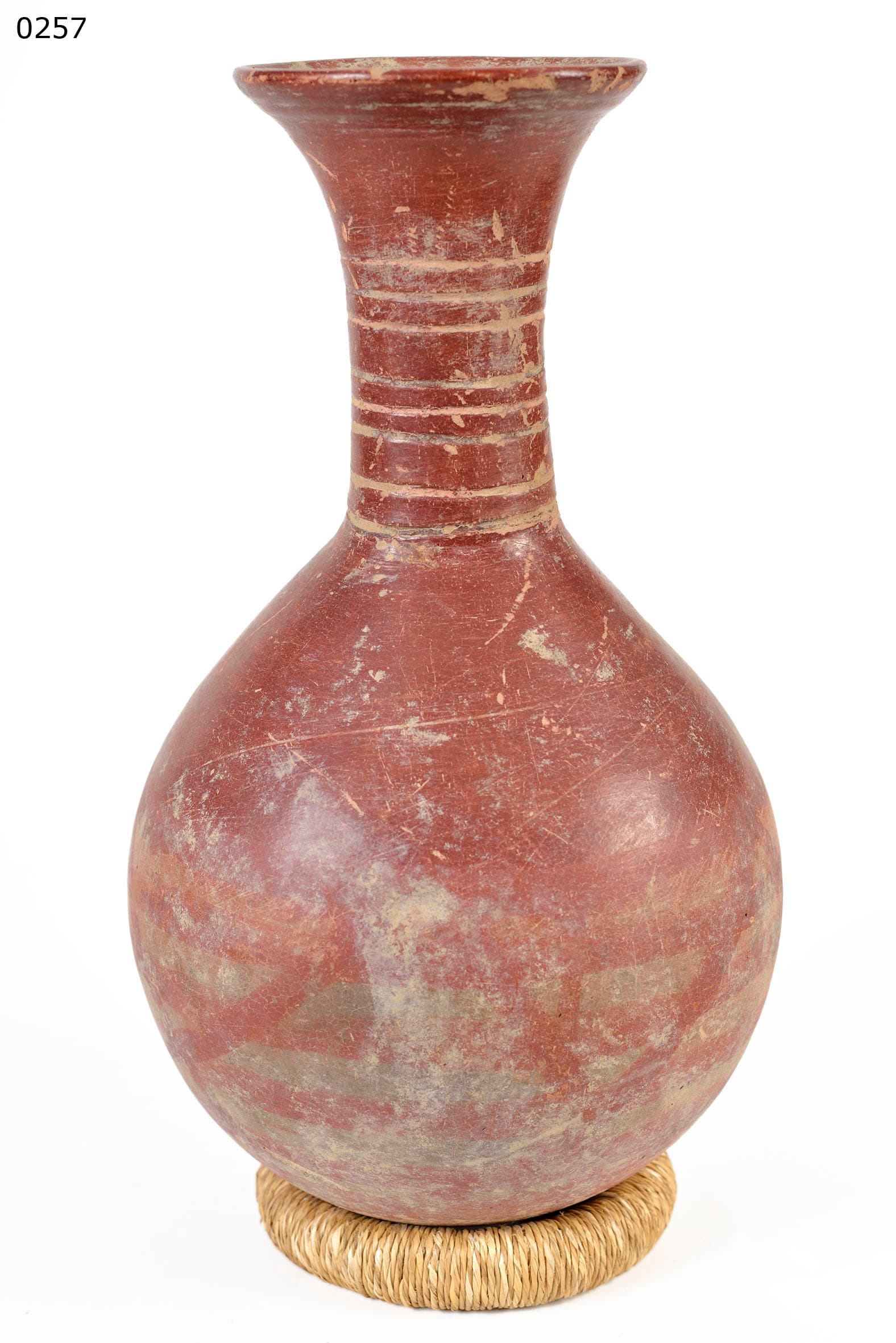
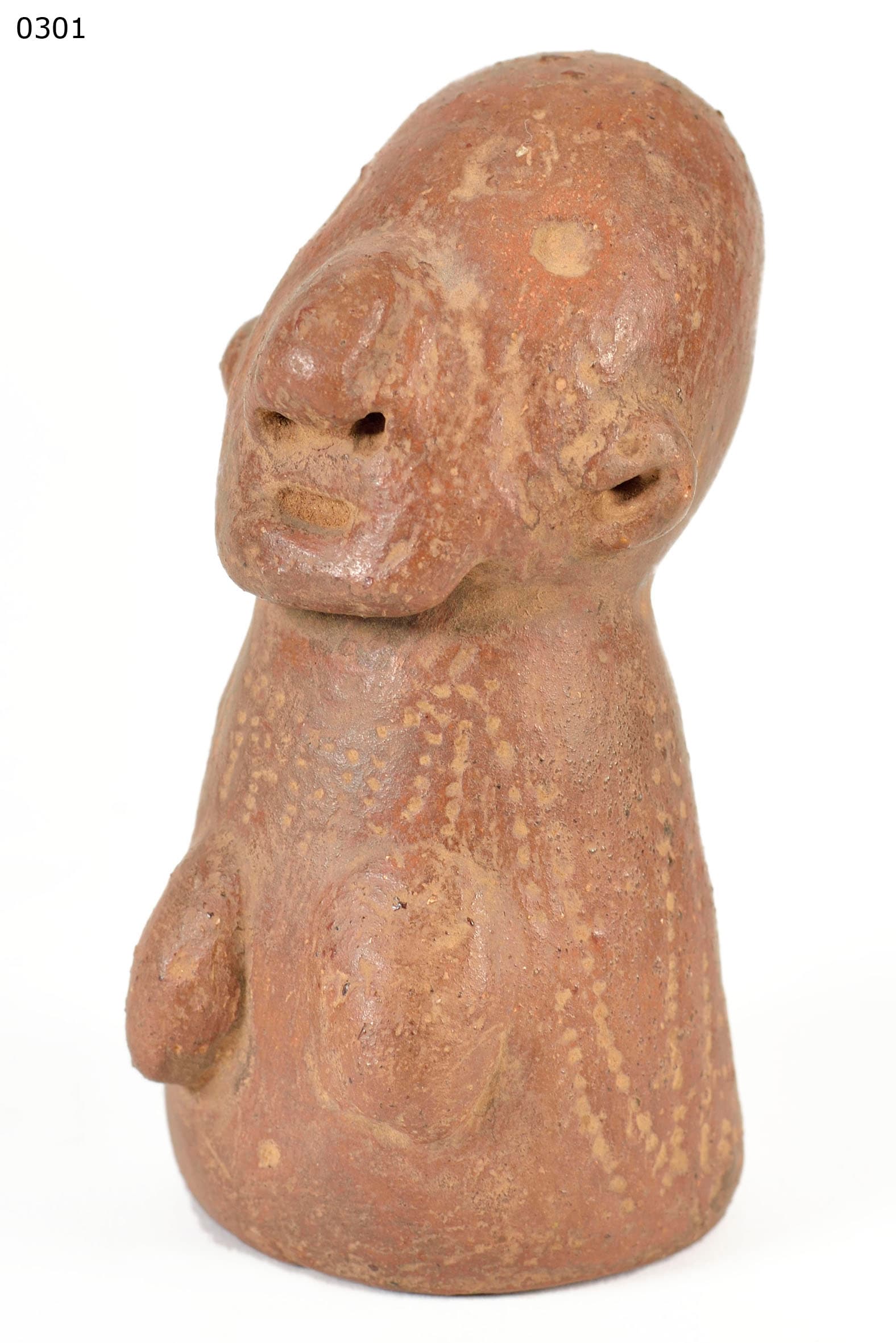
Zwei extrem kleine antike Bronzefiguren, sitzend oder hockend, die Hände dynamisch zum Kopf oder Körper erhoben. Beide sind vollständig mit deutlichen, erhabenen kugelförmigen Knötchen (Pockmarks) bedeckt und weisen eine trockene, krustige, erdfarbene Grabpatina auf.
1. Ästhetischer Stil und regionale Charakteristika
Diese Figuren sind charakteristische Beispiele für die Krankheitsikonographie des Nigerdeltas, die in einem winzigen Maßstab dargestellt sind. Die erhabenen Pusteln, die ihre Körper bedecken, legen eine Darstellung von schweren Krankheiten wie Pocken oder Furunkeln nahe. Die dynamischen, verzerrten Körperhaltungen - mit Händen, die den Kopf oder den Körper umklammern - können als Ausdruck der körperlichen Qualen und des psychischen Schreckens verstanden werden, die mit diesen historischen Epidemien verbunden sind. Der Miniaturmaßstab konzentriert die Ikonographie der Krankheit, anstatt sie zu verwässern.
2. Rituelle Funktion und sympathische Heilung
In den mittelalterlichen Städten Malis wurde Krankheit als übernatürliches Eindringen betrachtet. Diese winzigen Figuren wurden vermutlich als apotropäische Amulette angefertigt. Durch das Schmieden des Abbilds des leidenden Patienten in dauerhafter Bronze sollte das Amulett die Krankheit aus dem lebenden Opfer "herausziehen" und als mitfühlender Lockvogel die bösartigen Geister, die die Seuche verursachten, absorbieren. Das Paarformat deutet eher auf die Behandlung verwandter Patienten oder auf eine allgemeine Schutzeinrichtung für einen ganzen Haushalt hin als auf ein Amulett für ein einzelnes Opfer.
3. Physische Patina und Altersnachweis
Die dicke, ungereinigte Schicht aus Malachit (grüne Oxidation) und gehärteter Erde, die diese winzigen Abgüsse bedeckt, spricht für ein langes Vergraben im Überschwemmungsgebiet des Niger. Die Verwischung der Gesichtszüge und die chemische Zersetzung der Kupferlegierung sind vereinbar mit einer Datierung der Artefakte in das 12. bis 16. Jahrhundert und stützen deren Einordnung als Objekte von medizinischer und spiritueller Bedeutung.
Zusammenfassung
Diese malischen Bronzen sind trotz ihres winzigen Formats ausdrucksstark und veranschaulichen die Qualen der Krankheit und die Mechanismen der Mitleidsmagie. Ihre schwere Verkrustung spricht für eine Herkunft aus dem Inland des Nigerdeltas und ordnet sie in den Kontext historischer medizinischer Objekte ein.
KI-unterstützt erstellt aus Sammlungsgutachten, Objektfotografie und eigener Recherche, redaktionell geprüft. Fehler sind möglich — Hinweise darauf sind uns willkommen. Zum Verfahren →