Eine Gruppe von vier hölzernen Lobi-Flöten (1. Hälfte 20. Jh., 10-30 cm) aus der Voltaic-Region (katalogisiert als Mali, obwohl die Lobi hauptsächlich in Burkina Faso beheimatet sind) - jede mit einem zylindrischen zentralen Schaft, der in aufgeweitete, tief geschnitzte geometrische dreieckige Mundstücke und Basen übergeht. Das Holz besitzt eine reiche dunkelbraune, tief oxidierte, schweißpolierte Bearbeitungspatina.
1. Akustische Geometrie der voltaischen Region
Die Lobi und verwandte Gur-sprechende Gruppen zeichnen sich dadurch aus, dass sie eine strenge geometrische Architektur in funktionale Handgeräte einbetten.
- Dreieckige skulpturale Winkel: Die Flöten lehnen glatte röhrenförmige Drehungen zugunsten von aggressiven skulpturalen Winkeln ab - aufgeweitete dreieckige Formen in der Nähe des Ansatzes und der Basis.
- Angewandte Bateba-Ästhetik: Die scharfe, vorspringende Architektur erinnert an Lobi Bateba-Statuen und die Wände irdener Schreine und demonstriert die meisterhafte Beherrschung abstrakter Oberflächengestaltung, die in funktionale Objekte umgesetzt wird.
2. Die Stimme des Thil
Flöten sind in der Lobi-Gesellschaft nicht nur weltliche Unterhaltung - sie sind mächtige, hochaktive akustische Werkzeuge für die spirituelle Kommunikation.
- Zeremonieller Gebrauch: Sie werden von eingeweihten Männern bei wichtigen Zeremonien, Beerdigungen und Ritualen gespielt, um die thila (die unsichtbaren Schutzgeister der Gemeinschaft) zu beschwören oder mit ihnen zu kommunizieren.
- Übersetzung in die Sprache der Geister: Man glaubte, dass die spezifischen, durchdringenden rhythmischen Töne menschliche Bitten in die esoterische Sprache der Geister übersetzten und dafür sorgten, dass die thila aufmerksam, besänftigt und beschützt blieben.
3. Gesättigter Reibungsverschleiß
Der physische Zustand liefert eine greifbare Karte ihrer akustischen Geschichte.
- Tiefe Schweißsättigung: Das dichte Holz ist vollständig mit einer dunklen, glänzenden Patina gesättigt, weil es jahrzehntelang von schweißnassen Händen fest angefasst wurde.
- Glasartige Glättung des Ansatzes: Die zentralen Schäfte und die ausladenden Mundstücke weisen eine tiefgreifende glasartige Glättung auf, die durch das wiederholte Aufsetzen auf die Lippen von Musikern entstanden ist - die Aufweichung der geometrisch geschnitzten Linien legt nahe, dass sie geschätzte, aktiv genutzte Funktionswerkzeuge waren.
Zusammenfassung
Dieser Satz von Lobi-Flöten übersetzt auf brillante Weise die scharfe geometrische Architektur der Voltaik in funktionelle akustische Instrumente. Ihre tiefe, mit Schweiß polierte Patina legt nahe, dass sie aktiv für die Kommunikation mit der Geisterwelt genutzt wurden.
KI-unterstützt erstellt aus Sammlungsgutachten, Objektfotografie und eigener Recherche, redaktionell geprüft. Fehler sind möglich — Hinweise darauf sind uns willkommen. Zum Verfahren →
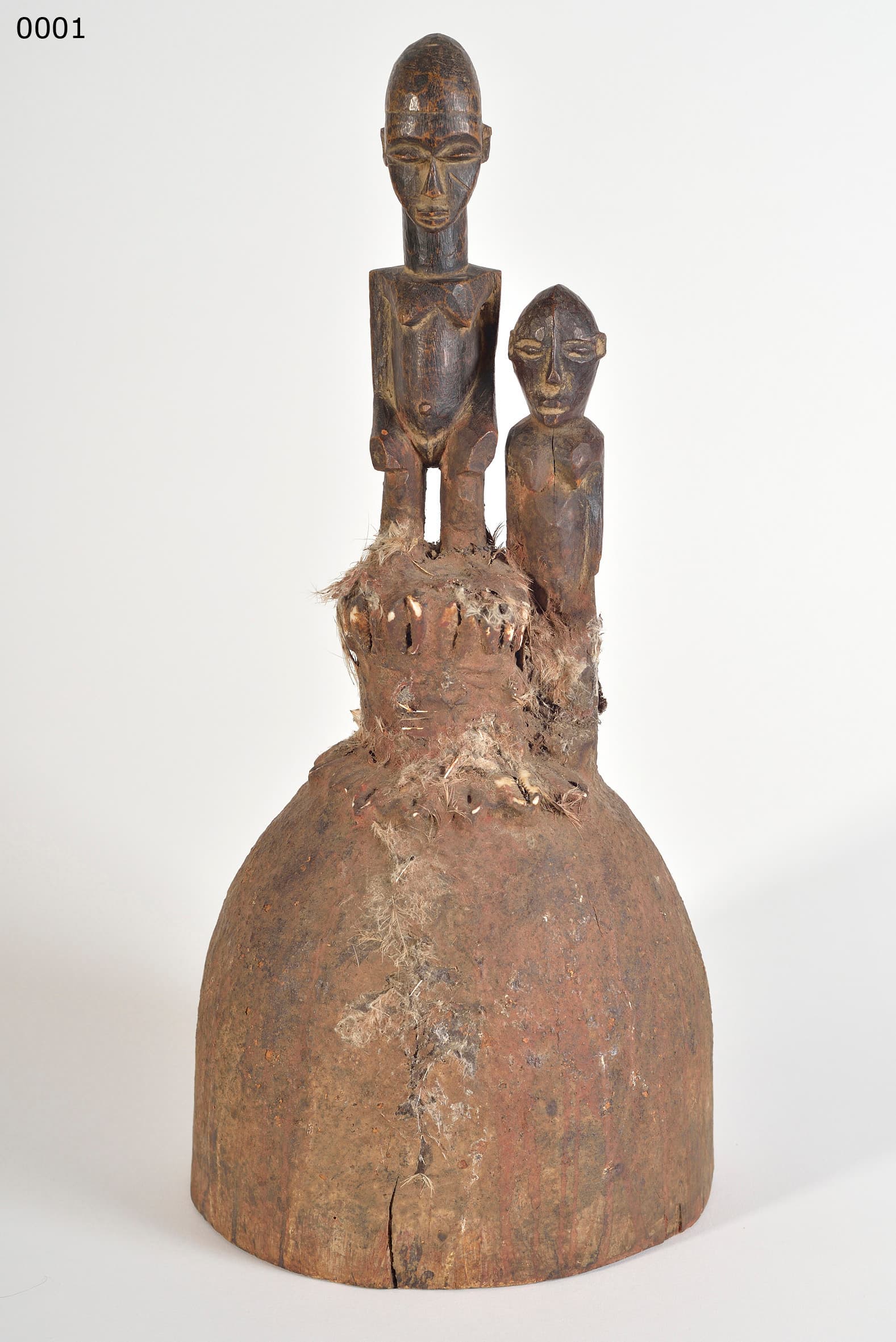
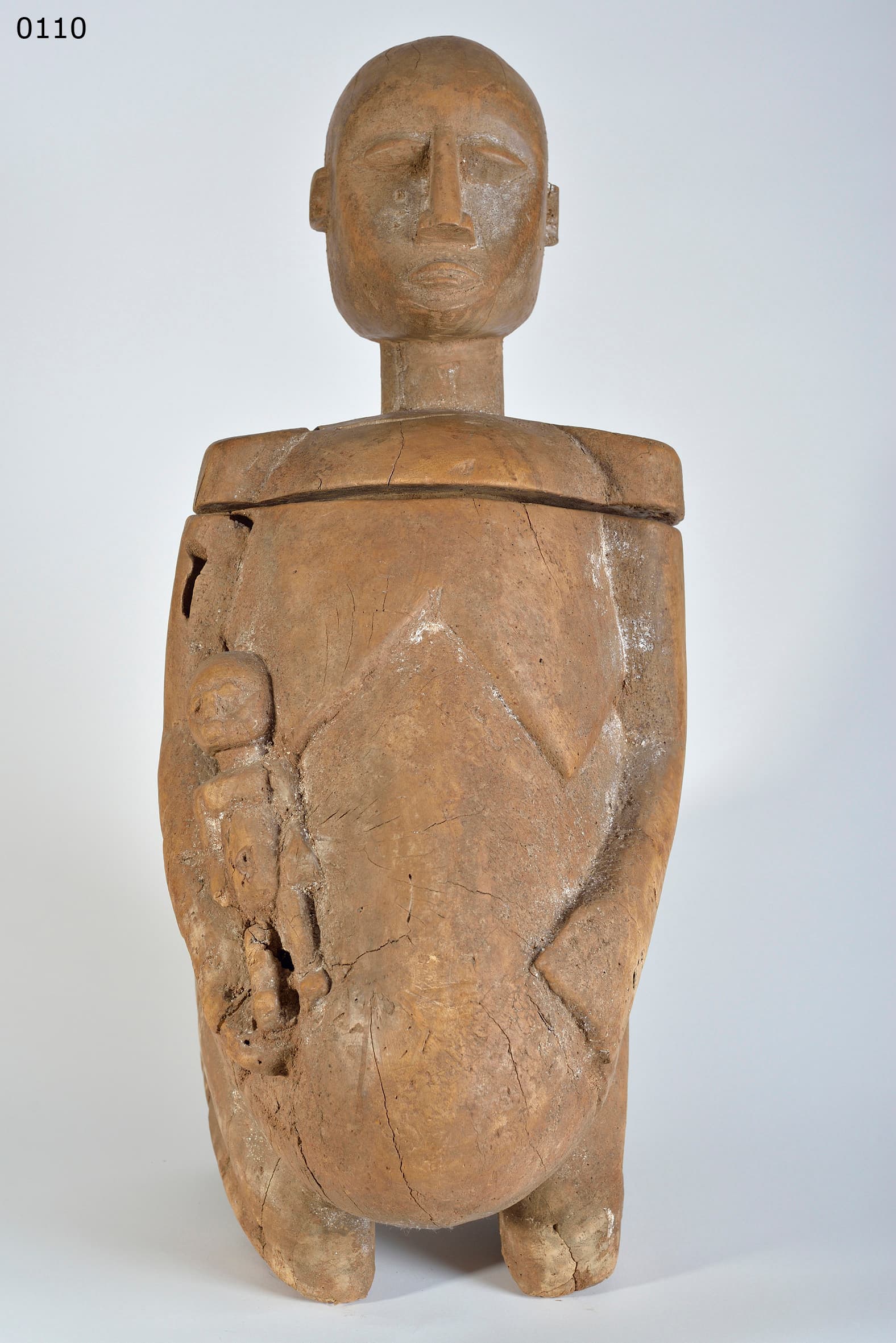
Schreinaltar mit Ehepaar BATEKE
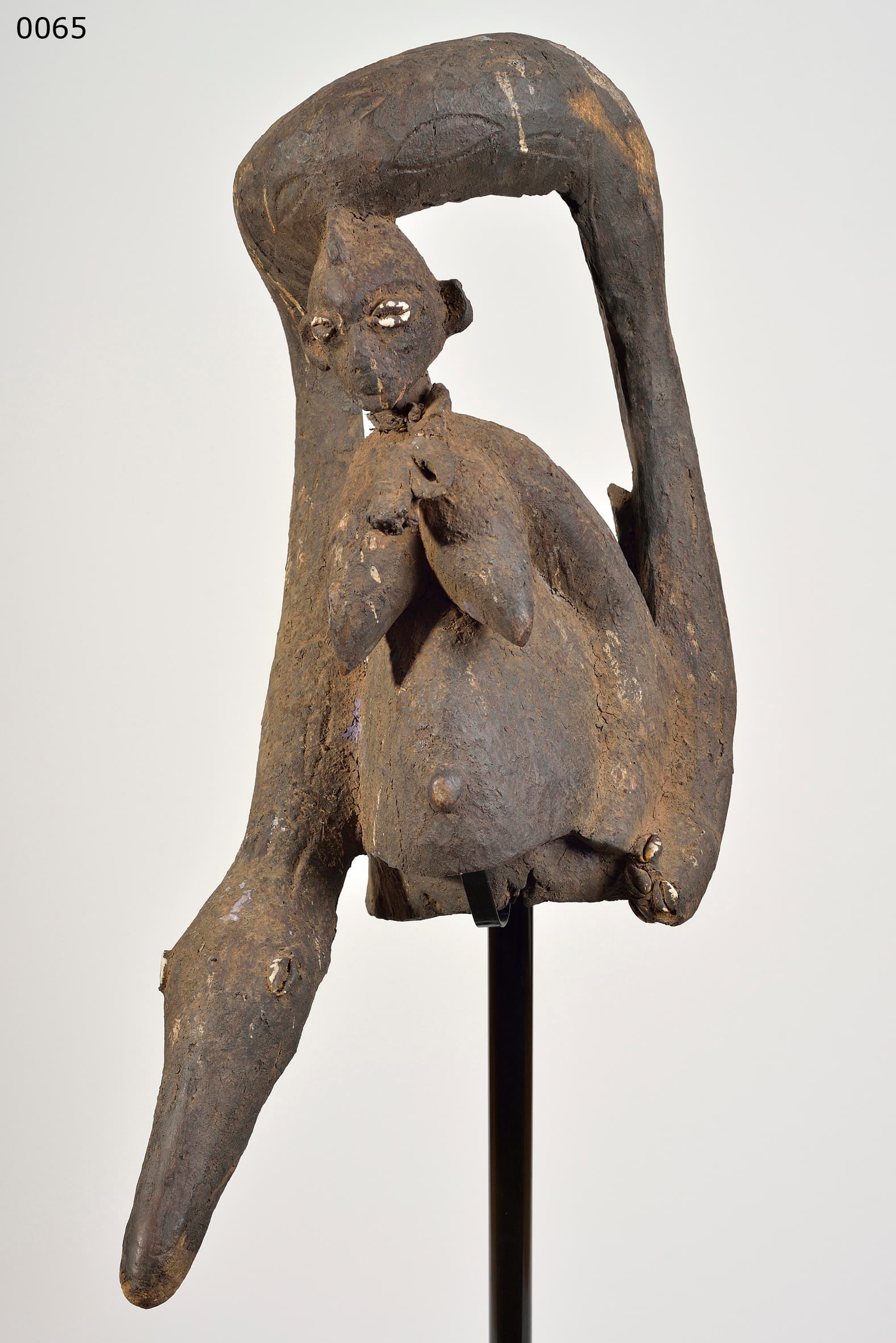
Seltene Kopfhaubenmaske
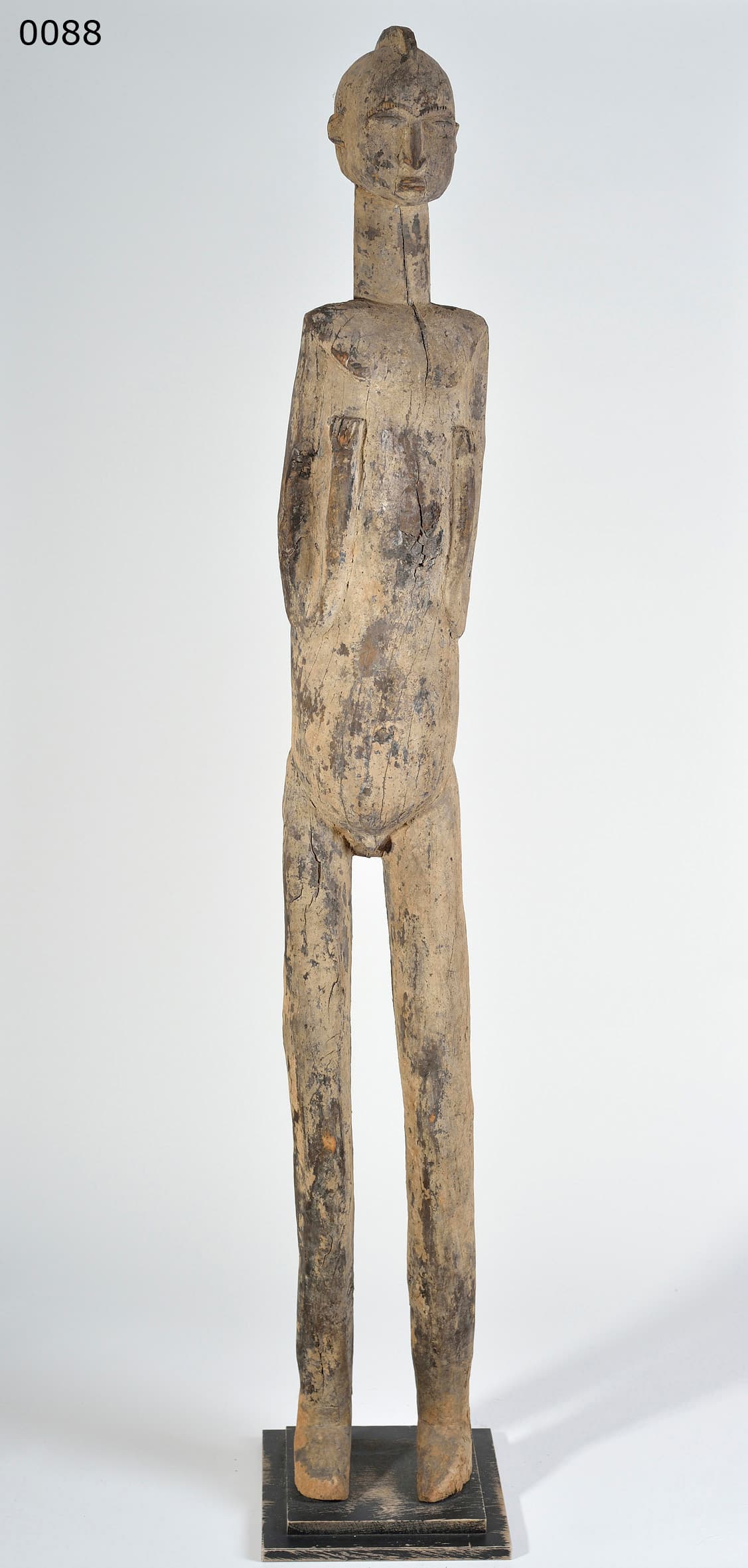
Schreinfigur, die einen BATEBA-Geist darstellt (ungewöhnlich groß, selten)