Was uns das Objekt erzählt.
Gestützt auf Feldforschung, Museumsbestände und Fachliteratur — erzählt mit Respekt vor dem Kontext, in dem dieses Objekt entstand.
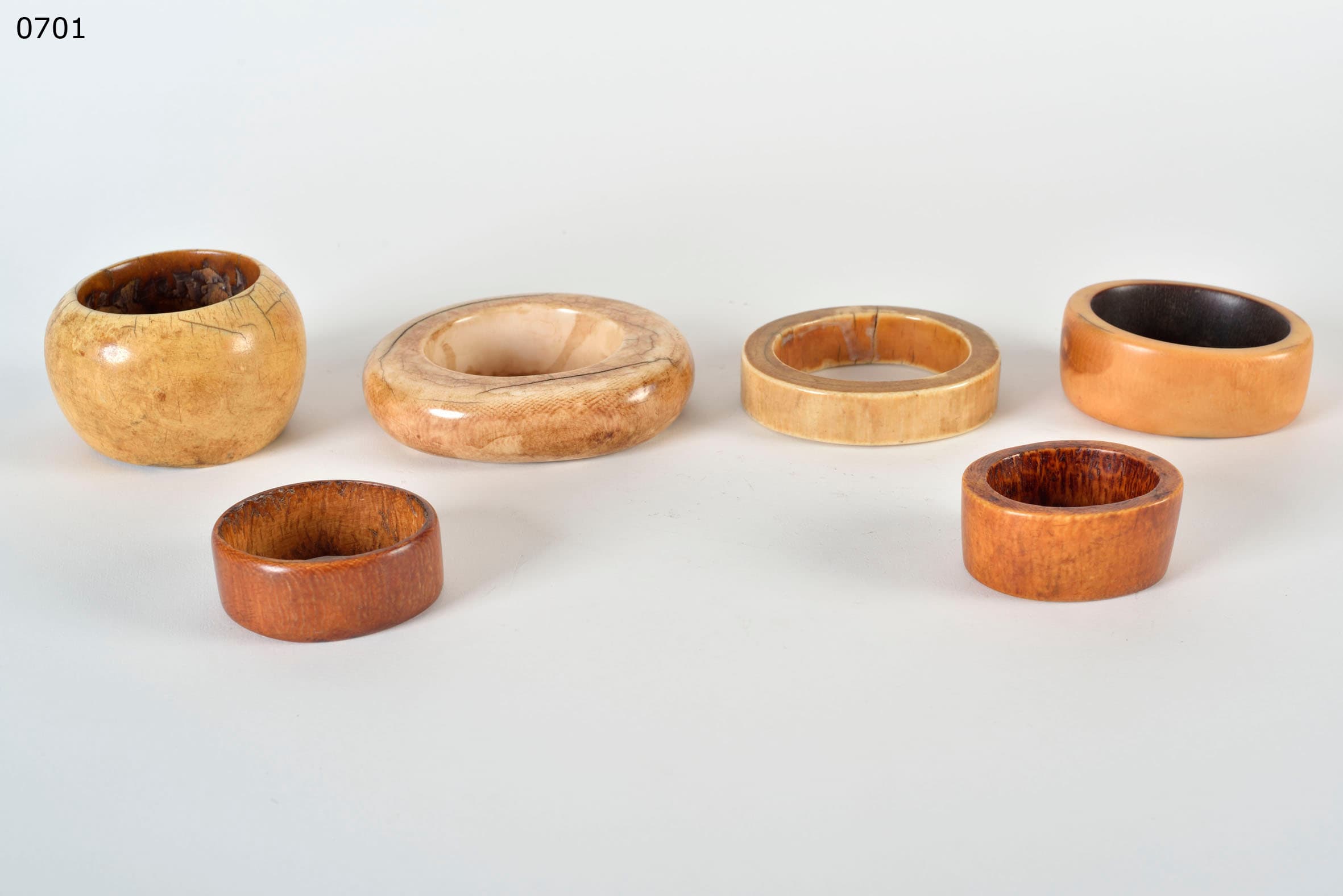
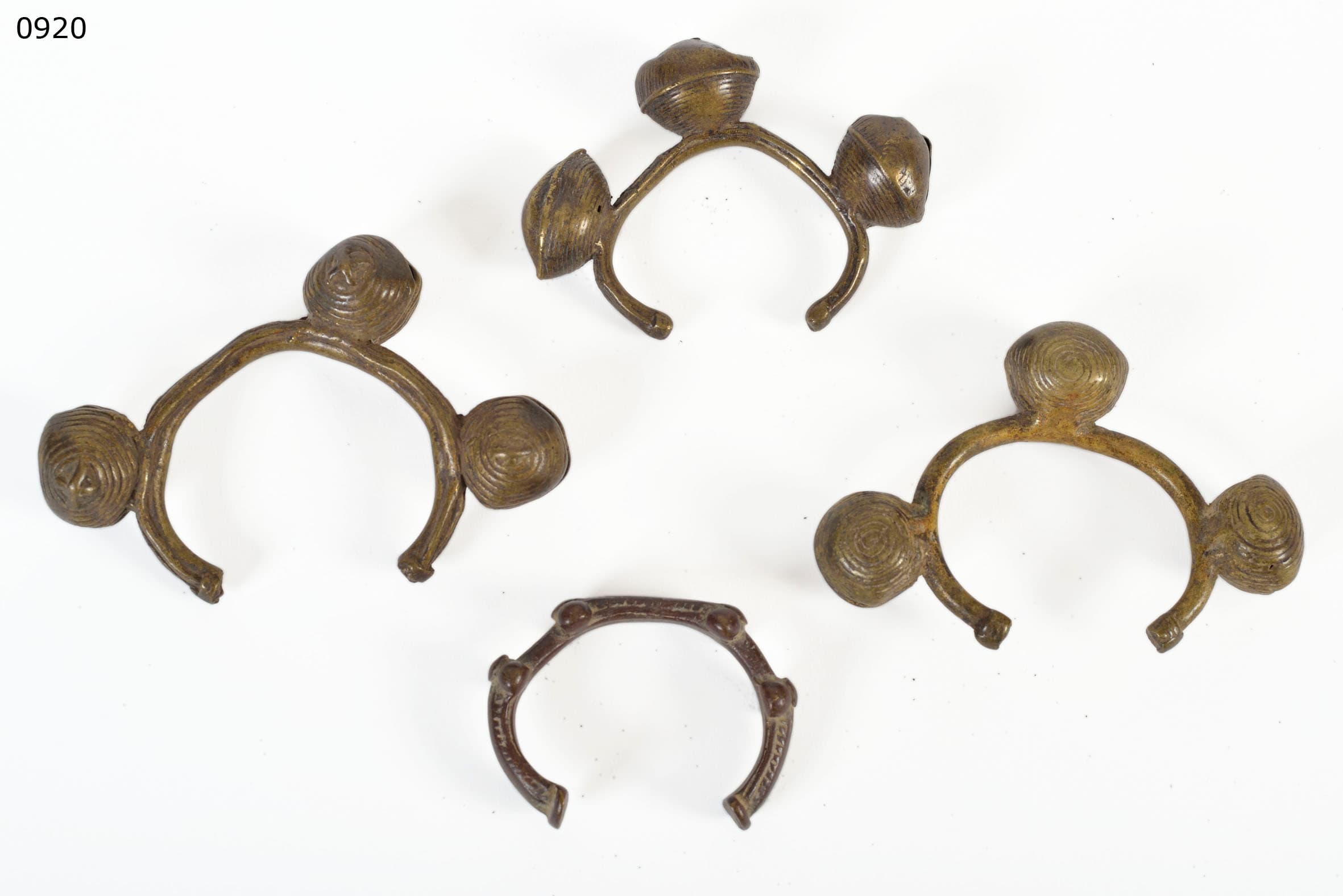
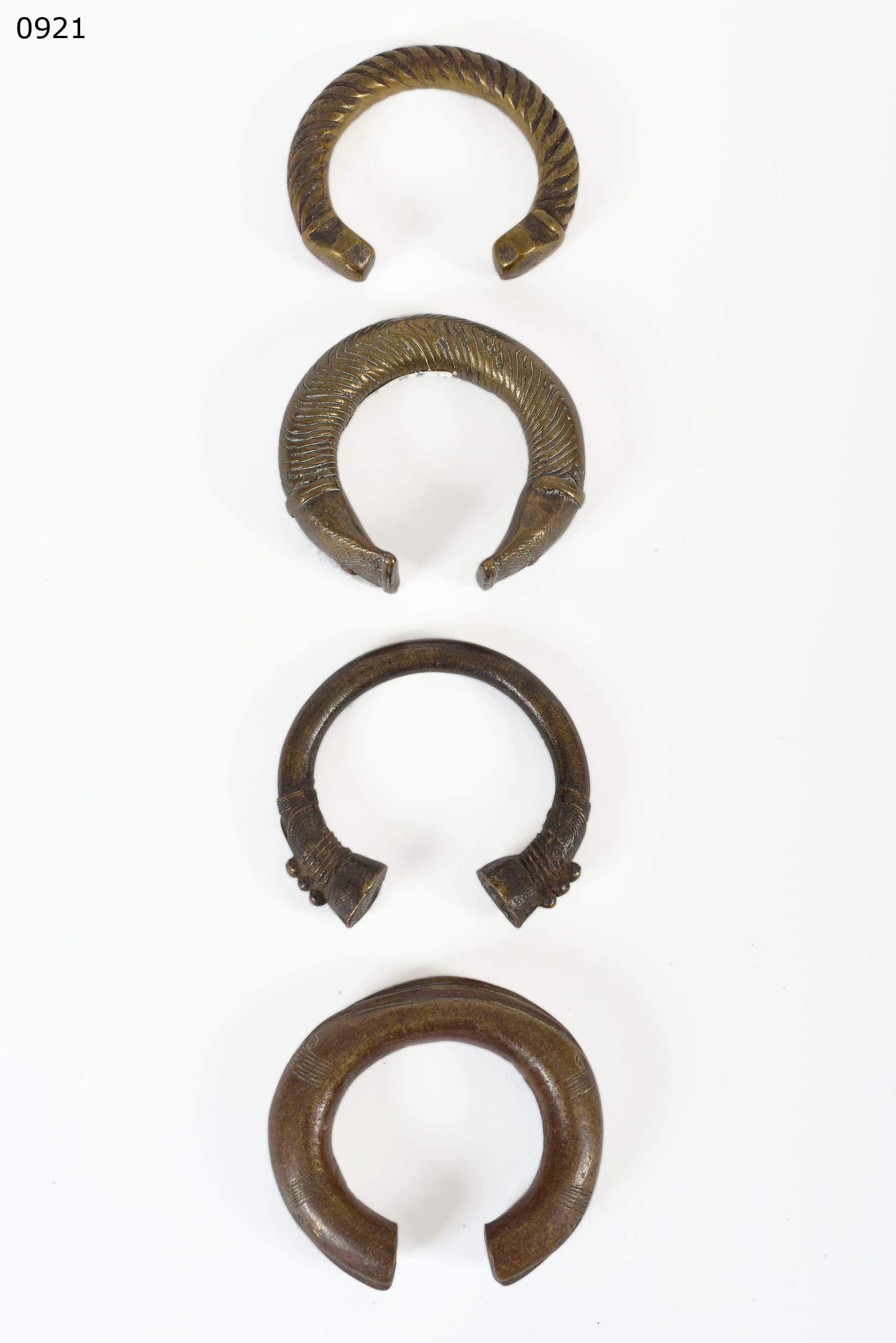
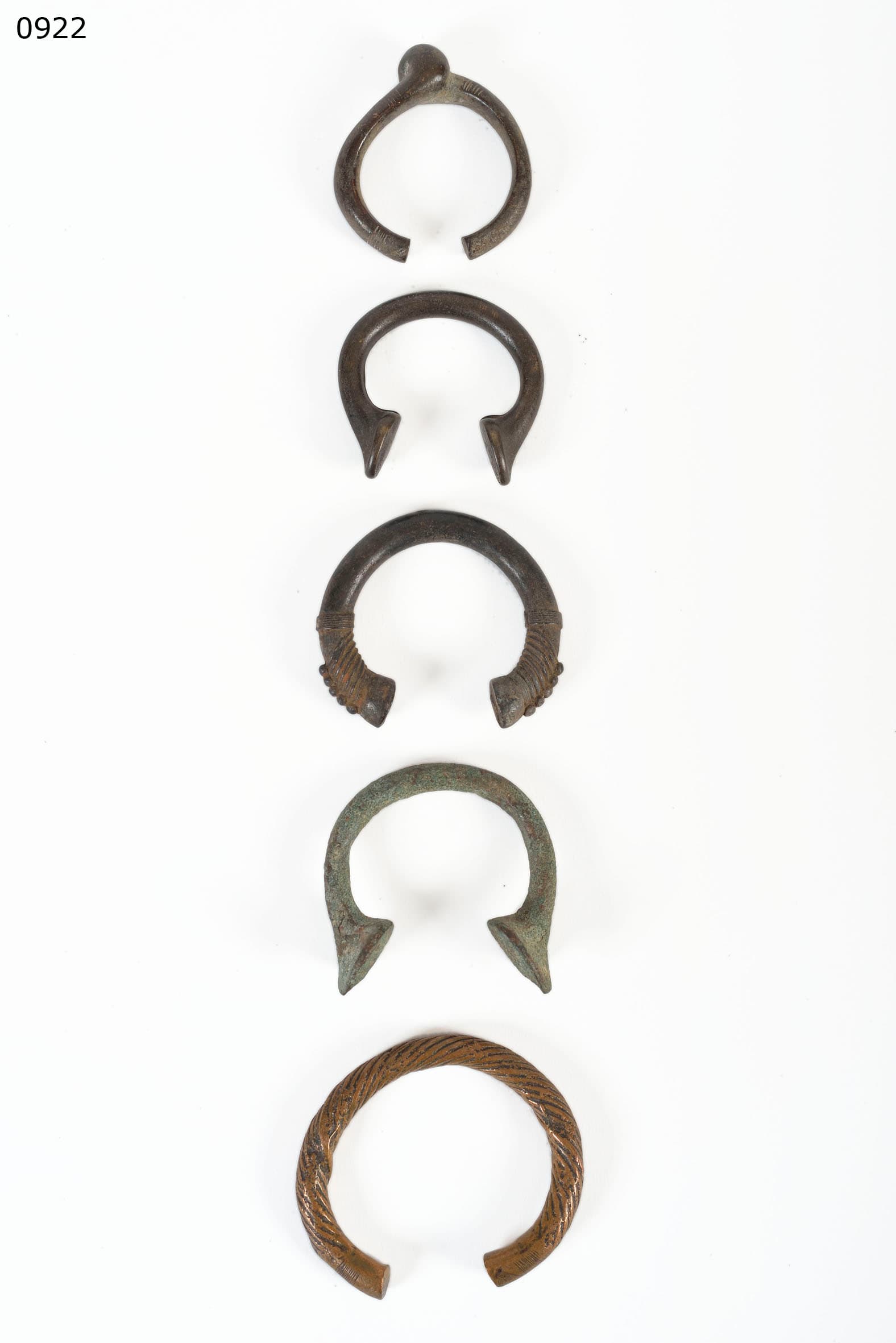
WEST AFRICA Two Massive Bronze Bracelets — Openwork & Hollow-Core (19th cent., 15/17 cm)
These two massive bronze armaments exhibit extraordinary lost-wax casting; one features an intricate openwork lattice sphere, while the other forms a massive, hollow cylinder with incised linear striations. A deep, crusty, and oxidized archaeological patina envelops both heavy objects.
1. Aesthetic Style and Regional Traits
These objects represent the absolute zenith of West African (likely Nigerian, such as Nupe or Igbo) lost-wax casting. Creating a perfect openwork lattice sphere integrated into a heavy bracelet requires a breathtaking command of the cire-perdue method, necessitating complex internal clay cores that are later removed. The smooth, hollow-core bulbous bracelet demonstrates an equally sophisticated understanding of wall thickness and molten metal flow. Together, they transcend jewelry, functioning as masterworks of structural engineering in bronze.
2. Ritual Function and Immobilizing Prestige
The extreme dimensions and immense weight of these objects indicate they were not meant for daily wear, but rather for high-level ceremonial display. Worn by paramount chiefs, elite Ozo titleholders (in Igbo contexts), or major priestesses, such massive metalwork was designed to be physically overwhelming. It deliberately immobilized the wearer, visibly demonstrating that their elevated status freed them from all manual labor and that they were entirely supported by the community.
3. Physical Patina and Age Verification
The patination on these two bronzes is profoundly ancient. They do not possess the handled shine of daily jewelry; instead, they are covered in a thick, opaque, and highly stable crust of cuprite and malachite. This degree of aggressive, deep-tissue oxidation suggests they were excavated from a burial site or stored undisturbed in a damp, terrestrial shrine for well over a century. This irrefutable archaeological crust confirms their 19th-century dating and primary cultural importance.
Summary
Featuring staggering feats of openwork and hollow-core casting, these two massive bronzes are monumental achievements of West African metallurgy. Their severe, encrusted archaeological patinas guarantee their immense age and status as elite, immobilizing prestige objects.