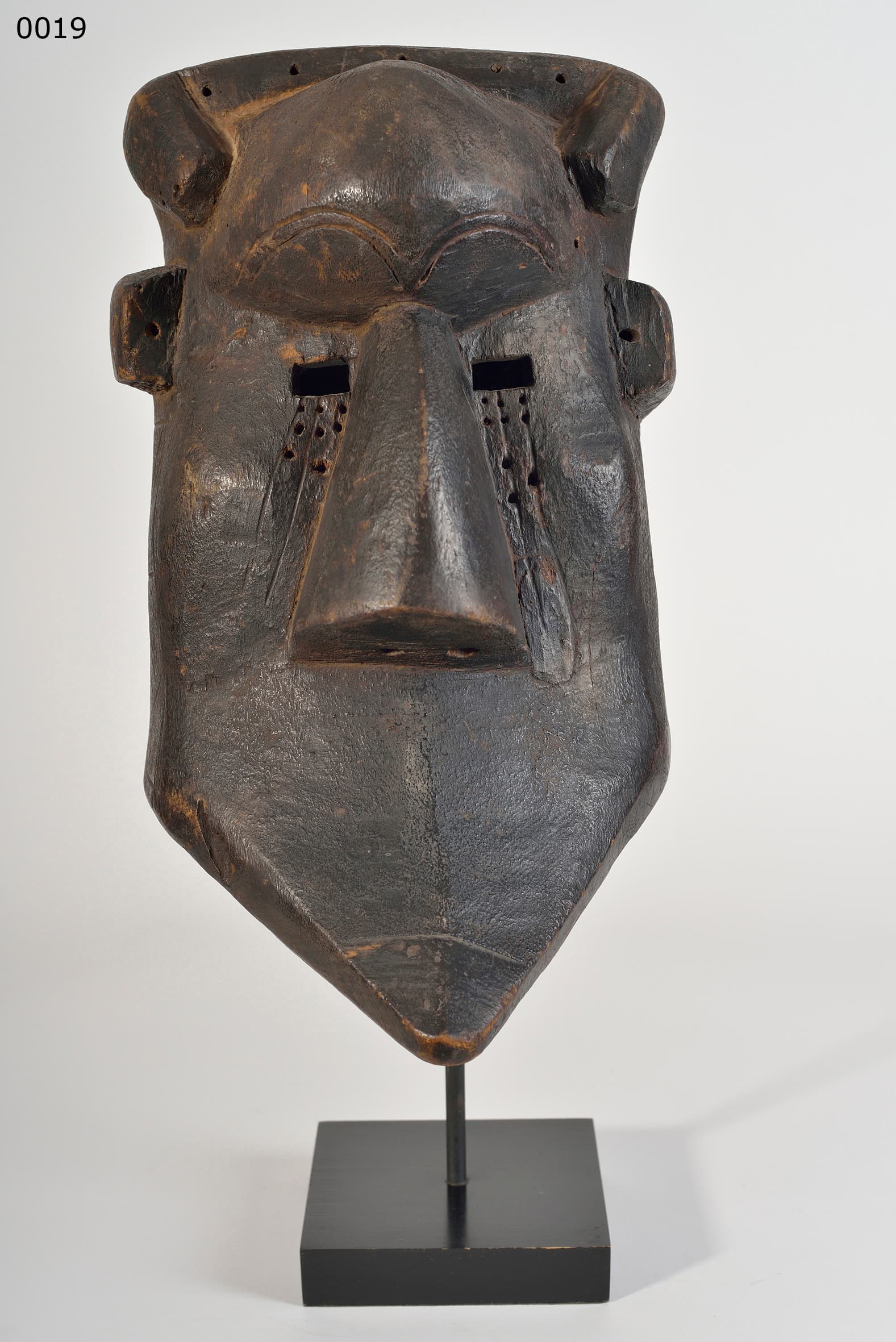
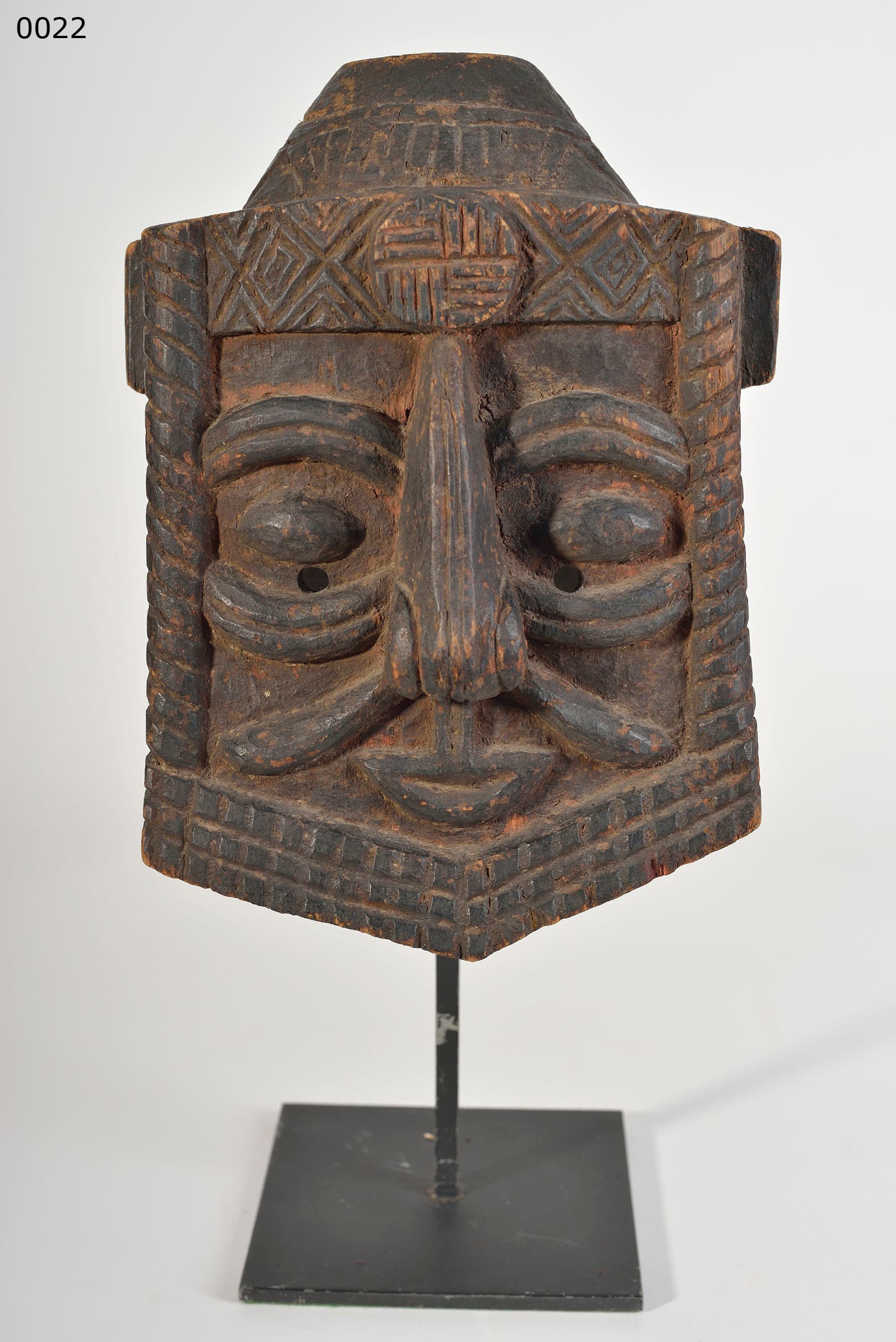
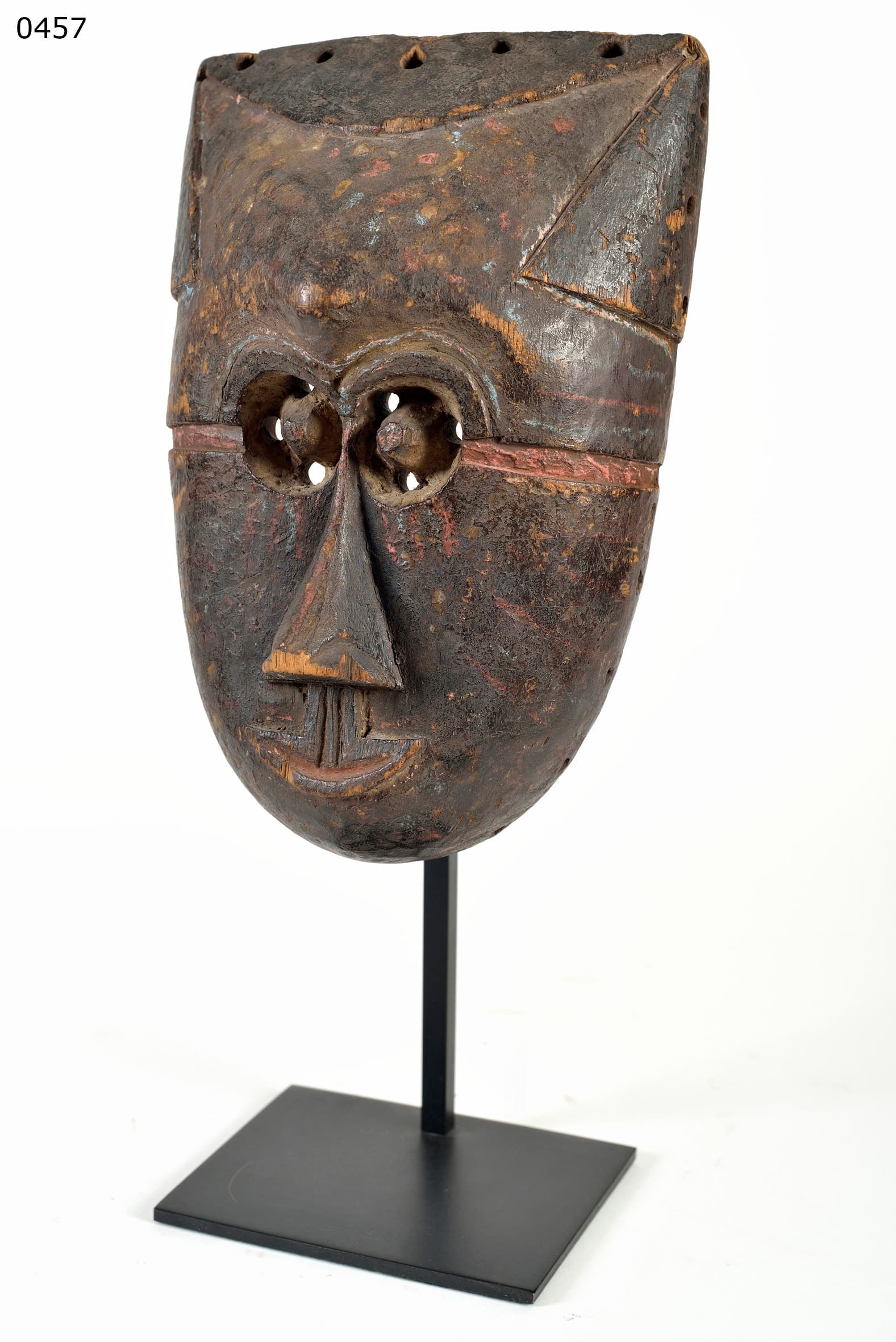
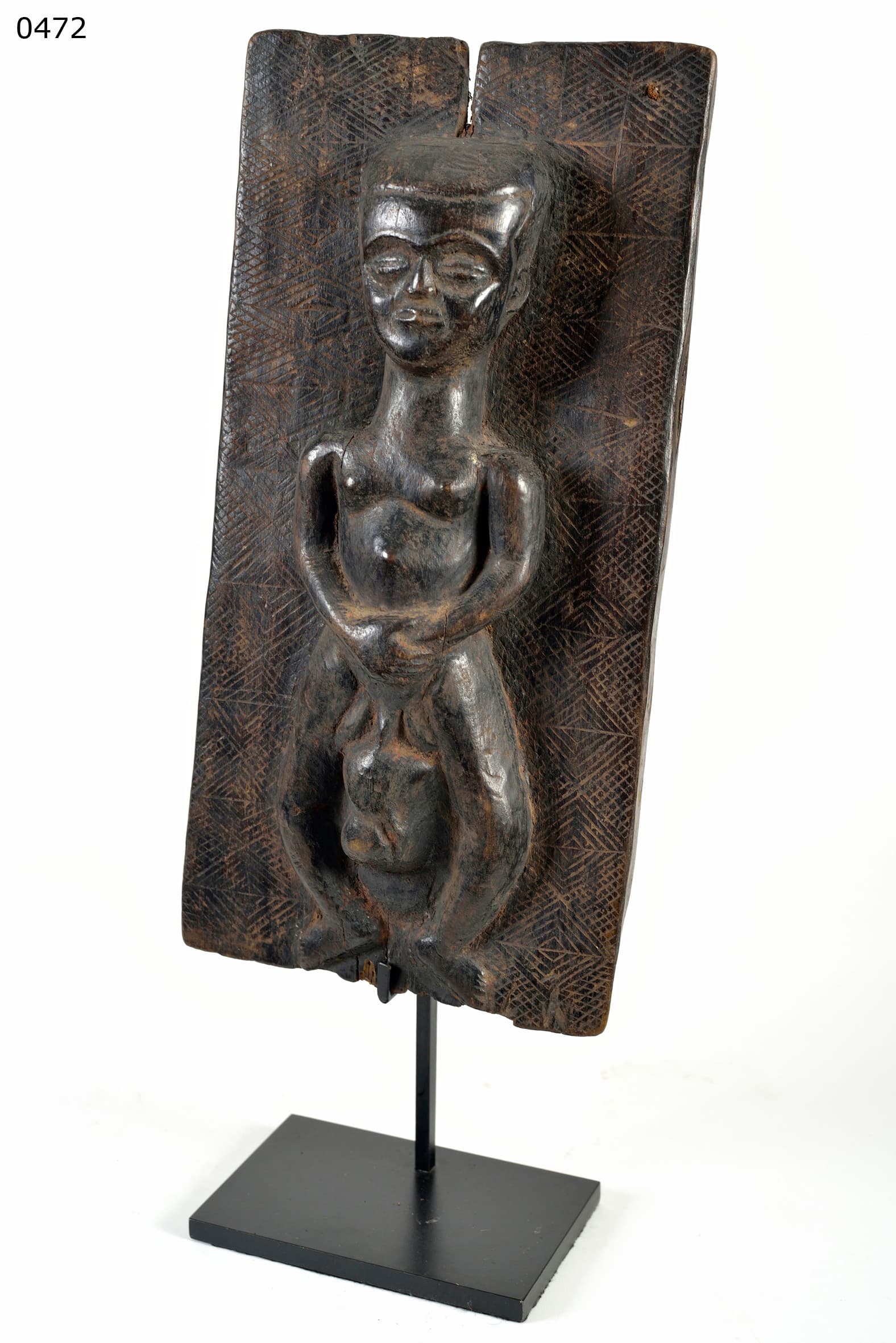
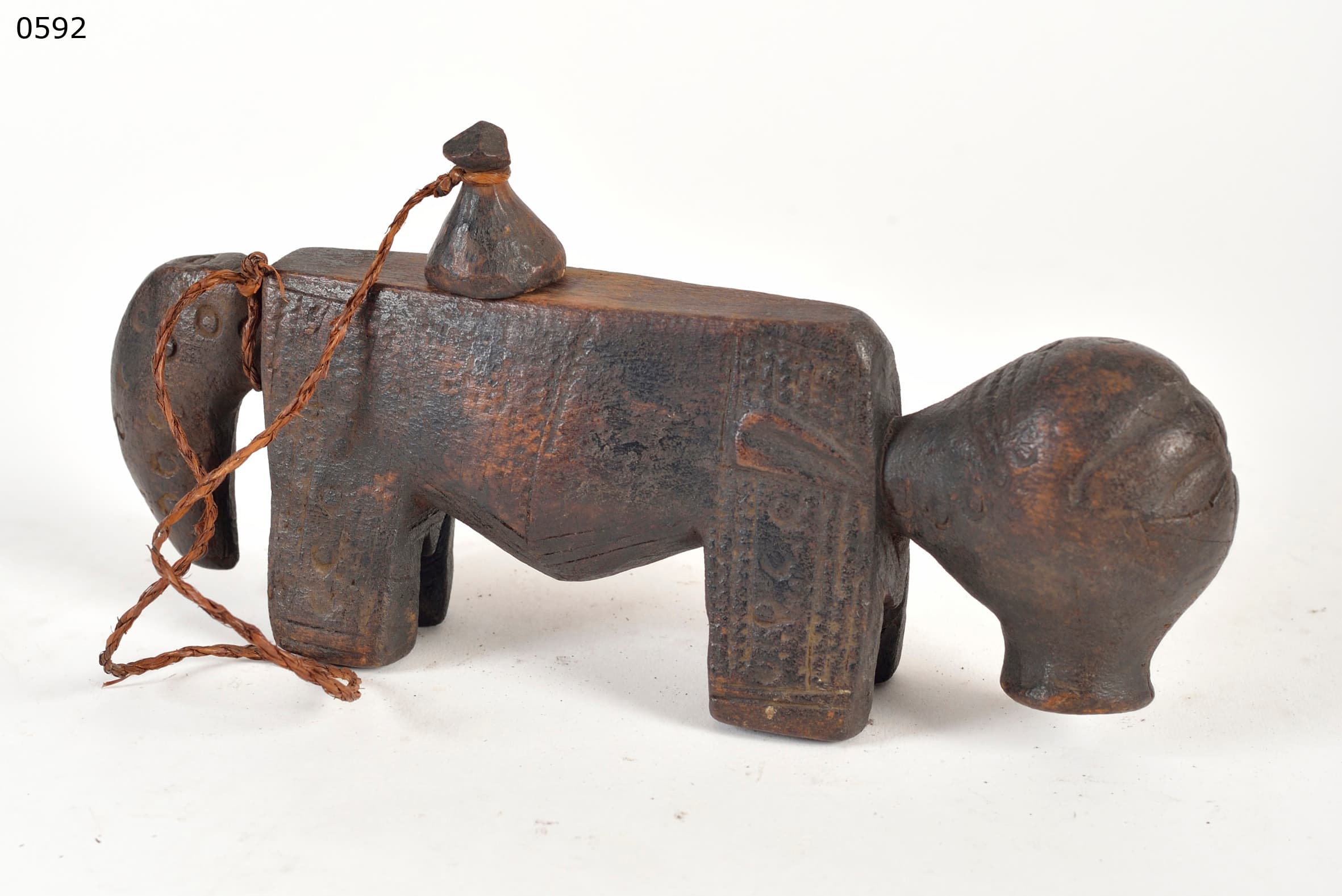
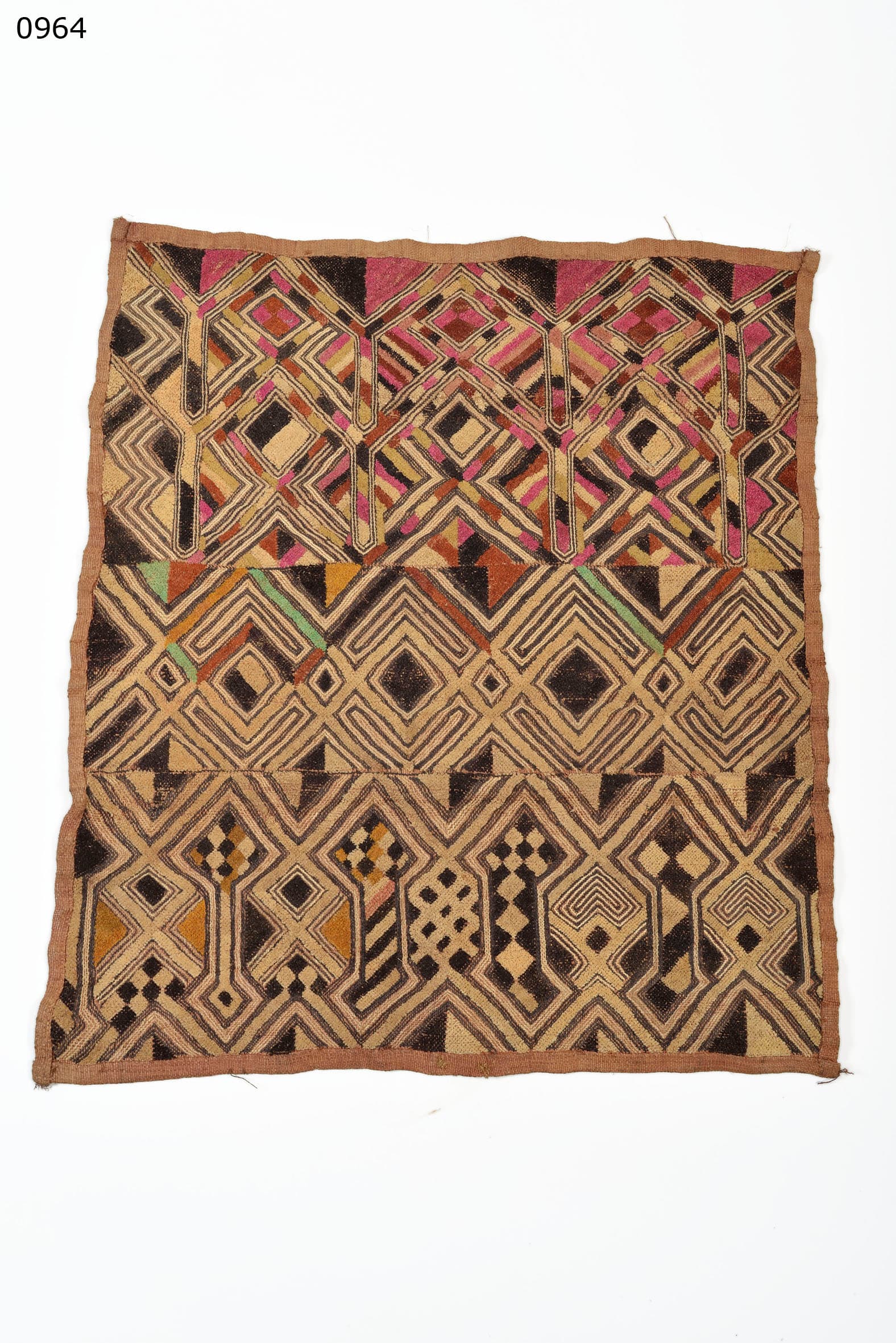
The Kuba are a DR Congo people framed by the Sankuru, Lulua and Kasai rivers, known for ndop royal portraits, mwaash a mbooy masks and itombwa divination oracles.
Overview
The geographical distribution of the Kuba Confederation (historically also referred to in the literature as Bakuba) extends in the central basin of the Democratic Republic of the Congo, precisely located in the present-day province of Kasaï. The core area is framed by the natural boundaries of the Sankuru, Lulua and Kasaï rivers, which historically led to relative geographical isolation and a fertile agricultural environment. Demographic estimates of the present are complex due to the lack of ethnic census data in the DR Congo. The total population of the DRC is estimated to be between 104 and 112 million in 2024, with the province of Kasaï representing a densely populated centre. Historical projections and regional density measurements assume that the population of the Cuba confederation today comprises several hundred thousand members, whose demographic development is due to the general migration and growth rates (approx. 3.2 % nationally) of the region. Linguistically, the languages of Cuba belong to the extensive Bantu language family, which comprises an estimated 350 million speakers in Africa. According to Malcolm Guthrie's modified classification, the Cuba language falls under zone C.27 (Bangi-Ntomba).
| Linguistic and demographic parameters | Classification / Data situation |
|---|
| Language family | Niger-Congo, South Bantoid, Bantu |
| Guthrie classification | Zone C.27 (Bangi-Ntomba) |
| Mutual intelligibility | Kwala (C.20 group) |
| National population (DRC 2024) | approx. 104,000,000 - 112,000,000 |
| Regional concentration | Kasaï Province (Sankuru-Lulua Basin) |
The nomenclature of the ethnic group is historically biased and requires a critical differentiation between exonym and autonym. The foreign term "Kuba" is an exonym that presumably originates from neighbouring Luba groups and was adapted by European ethnographers during the colonial period. The self-designation of the dominant aristocratic core group, however, is Bushoong (or Bushongo), which is etymologically translated as "people of the throwing knife" and refers to the military dominance in the formative phase of the empire. The social structure is characterised by an extremely complex, strictly hierarchical federation system, headed by the nyim (king) of divine right. Below the nyim, society is divided into specific lineages: the Bushongo form the royal lineage, the Bwoom represent ministers and civil servants, and the Ngeende comprise spiritual leaders and ritual specialists.
A fundamental classification controversy characterises the ethnographic discourse: the sources on ethnic homogeneity are ambiguous. Early collectors and ethnographers often described the Kuba as a self-contained, homogeneous isolate. Jan Vansina (1978), on the other hand, argues vehemently that the "Kuba" are not an organically grown ethnic group, but a purely political confederation of around 19 to 20 ethnically heterogeneous subgroups, which were assimilated and united under the centralised rule of the Bushoong from the 17th century onwards. In addition to the Bushoong and Ngeende, the largest of these subgroups include the Kete, Shoowa and Pyaang. The formal end of the autonomous kingdom is considered to be 1884 - the Berlin Congo Conference and the establishment of the Congo Free State under Leopold II, which effectively ended the political sovereignty of the Cuba Federation.
Despite this extremely hierarchical, centralised and ostensibly patriarchal political superstructure, the kinship and inheritance system was based on matrilineal principles. This apparent contradiction - a royal dynasty with a matrilineal foundation - is the subject of intense debate among researchers. Economic and anthropological studies (Lowes 2018; Vansina 1985) indicate that this matrilineality offered historical strategic advantages. The matrilineal system made it possible to overcome exclusive, narrow-minded local loyalties and establish large-scale trade networks. It also facilitated the absorption of foreigners, prisoners of war and slaves into the lineages, which was essential for the demographic and economic expansion of the empire. The subsistence of society was traditionally based on highly developed agriculture. The cultivation of maize and manioc, presumably introduced through transatlantic networks in the 17th century, formed the calorific basis, while the cultivation of raffia palms was essential for complex textile production. The relationship with neighbouring peoples (such as the Luba, Pende, Lele or Chokwe) was historically characterised by a constant exchange of tribute, war and trade (ivory, copper, tukula wood). These dense intercultural networks are clearly reflected in the collections and ethnographic mapping of the Royal Museum for Central Africa (RMCA) in Tervuren, where the boundaries between Kuba core art and peripheral influences are often fluidly documented.
Cultural context
The religious system of the Kuba differs significantly from that of neighbouring Central African peoples, in particular the Luba, Hemba or Songye. While in the surrounding cultures, ancestor worship through freestanding, figurative ancestor statues (such as the singiti of the Hemba) is at the centre of private and communal ritual practice, the Kuba historically produced hardly any freestanding religious sculptures for profane or village ancestor worship. Instead, ritual materialisation focused on highly elaborate decorative art, masked creatures and royal representational figures.
The cosmological order of the Kuba is primarily based on three distinct spheres: the mythical creator god and cultural hero Wóót, the sky father Mboom and the ngesh (nature and water spirits). Wóót is regarded as the mythical founder of civilisation and the royal line, whose actions defined the social and moral order (including the incest taboo). The ngesh, on the other hand, are unpredictable, localised entities that reside in forests and waters and have a direct influence on fertility, hunting success and disease.
In Cuban society, ritual authorities are not exclusively tied to the royal court. Priests, diviners and highly specialised secret societies act as executors of the spiritual and legal order. A central body is the Batende secret society. The members of this covenant use specific masks (such as the pwoom itok) to identify and sanction deviant behaviour, witchcraft or criminal acts in the community. Wearing the mask authorises the wearer as the holder of all-encompassing knowledge acquired through long initiation processes.
The central rite of passage for male youth is initiation (mukanda), a phenomenon common throughout the southern savannah belt. Among the Kuba, however, there are profound regional variations. In the centre (among the Bushoong and Shoowa), babande rites are practised, often within the village or in the walled compound of the village headman. In contrast, the rites of the southern Kuba groups (nkaan or buadi) require strict spatial separation and are held in secret forest camps. These initiation phases are the primary context for the ritual mask dances, in which knowledge is imparted through physical postulation and recited verses.
In the interpretation of mask empowerment, research identifies a substantial iconographic controversy. Based on their fieldwork, authors David Binkley and Patricia Darish argue that the mask dancers are primarily empowered by the unpredictable ngesh spirits from the forest. Origin myths of many masks describe how a carver encountered a ngesh in the forest, fell into a trance and after his return moulded its image in wood. Jan Vansina, on the other hand, emphasised the mythical-historical dimension, according to which the masks primarily represent the mythical royal line around Wóót and fundamental social conflicts.
| Ritual structure | Specification in the Cuban context |
|---|
| Cosmological entities | Wóót (cultural hero), Mboom (heaven), ngesh (nature spirits) |
| initiation variants | babande (centre/village), nkaan / buadi (south/forest) |
| Mask empowerment (controversy) | Nature spirits (ngesh) vs. dynastic ancestral representation (Wóót) |
| Executive Authorities | Divinators, Batende Secret Society |
The role of women is extremely institutionalised in the cosmology and cult of the Kuba, which is expressed in the absence of crude patriarchal-restrictive patterns. Iconographically, this manifests itself in the canonical Ngady aMwaash mask, which appears as the mythical sister and epitome of the first woman and demands respect for the female role in society in ritual dance. Moreover, the production of the highly symbolic ntshak and mapel raffia robes, which are elementary for funeral and rites of passage, is firmly in the hands of women. These textiles are not just clothing, but function as accumulated indicators of wealth and status, clothing the living as well as the dead (Adams 1978). Excellent examples of this ritual integration of female textile art and mask ensembles are documented in the Fowler Museum at UCLA and the Cantor Arts Centre at Stanford University.
Aesthetic features
The canonical object typology of the Kuba is characterised by an unprecedented standardisation of courtly aesthetics and an extreme density of surface decoration (horror vacui). The most prominent medium in historical and market terms are the ndop royal portrait figures. These sculptures do not document realistic physiognomic portraits, but rather embody the idealised ruler (nyim) as a vessel of royal presence and serenity. The formal structure follows a strict canon of proportions: the figures sit with their legs crossed on a rectangular pedestal decorated with geometric patterns. The head of the statue makes up exactly one third of the total height (usually between 48 and 55 centimetres). This proportional key illustrates the Kuba's philosophical premise of emphasising the head as the seat of intelligence and spiritual power (Brain 1980).
The individual iconography and identification of the respective ruler is revealed exclusively through the ibol - a personal emblem that is chosen at the enthronement and positioned in relief in front of the figure on the pedestal. Thus the ndop of Mishe miShyaang maMbul is identified by a drum with a severed hand, that of Mbo Mboosh by a slave figure and that of the founder Shyaam aMbul aNgoong by a lele board game (mankala), which symbolises his strategic foresight (Bortolot 2003). Forensic wood analyses of museum specimens (e.g. in the Brooklyn Museum) show that dense heartwood of the species Crossopteryx febrifuga was preferred.
The masked creature is iconographically dominated by a mythical triad that appears as an ensemble:
- Mwaash aMbooy: Represents the royal authority and the founder Wóót. Made as a helmet mask, it is richly appliquéd with cowries, glass beads (blue for rank, white for purity) and leopard skins.
- Bwoom: The middle-class commoner, outsider or stranger (pygmy). Iconographically characterised by a massively bulging forehead and deep-set eyes.
- Ngady aMwaash: The mythical sister and wife. Her face is painted with complex geometric tear lines, symbolising the pain of incest and the harshness of women's role in the kingdom.
Other canonical subtypes include carved kuhol cups for palm wine, which are often designed as anthropomorphic heads and were used in courtly competition for prestige, and semi-circular tukula cosmetic jars with complex interlaced band ornaments modelled on the patterns of textiles.
| Ndop iconography (selection) | Historical ruler | ibol (personal emblem) |
|---|
| Shyaam aMbul aNgoong | ca. 1625 (Founder) | lele-Board Game (Strategy) |
| Mbo Mboosh | ca. 1650 | slave figure |
| Mishe miShyaang maMbul | ca. 1710 | drum with severed hand |
With regard to the dating of the ndop figures, research marks one of the most virulent controversies in African art history. Joseph Cornet (1982) argued that the ndop figures (with the exception of those of Mbope Mabiintshi maKyeen) were each made shortly after or during the lifetime of the individual kings from the 17th century onwards. Jan Vansina, on the other hand, stated on the basis of stylistic analyses and radiocarbon dating that the tradition only began later. A thus dates the creation of the earliest works to the 17th century, while B (Vansina) suggests that almost all ndop preserved today were carved retrospectively in the late 18th or 19th century and project the royal identity into the past in a historicising manner.
There is also a structural difference between profane prestige objects and activated ritual objects. The patina of an authentic Kuba ritual object comes from ritual rubbing with tukula powder (ground, oxidised heartwood of the padouk tree) and palm oil. These substances penetrate the crossopteryx wood over decades and polymerise to form a deep, irregular incrustation. Forgery criteria are highly relevant in today's art market: Modern forgeries often exhibit uniform black colouring (for example, from shoe polish or chemical stains), artificial burn marks intended to simulate fumigation, or a flawed canon of proportions. Forensic authenticity criteria rely on near-infrared spectroscopy (NIRS) to determine the wood species, the presence of true termite damage (which can be statistically modelled) and natural heartwood cracks caused by decades of drying (Rocha et al. 2021; Washington 1994). A central, referenceable collection of these flawless, authentic ndop figures is located in the British Museum (Torday Collection) and the Brooklyn Museum.
Ritual practice
The ritual practice and performance of the Kuba is strongly theatrical, mnemonically structured and characterised by the choreographed interaction of the mask triad. In the ritual space, the masks rarely act in isolation; they appear as a complex socio-dramatic structure that reenacts the myth of origin and historical conflicts of the Kuba. The mask performance is particularly important at funerals of initiation members and title holders.
The choreography emphasises the iconographic significance: when the Mwaash aMbooy mask (representative of king and founder Wóót) dances, its movements are set, majestic and characterised by a ritual distance. The dancer embodies the ideal of courtly composure. The performance of the Bwoom stands in sharp contrast to this. The Bwoom dancer is completely covered in textiles, cowries and copper fittings; his choreography is proud, aggressive and physically demanding. This dynamic emphasises his status as a subversive outsider, forest spirit or representative of the subjugated indigenous population (pygmies). In mock battles, both characters compete for the affections of the Ngady aMwaash mask, whose dance expresses the tragedy of dynastic incest and her role as "Pawn Woman".
With regard to the use of the altar, the Kuba have a speciality that distinguishes them from West African altar traditions. The sources show that the royal ndop statues were not kept in public shrines or blood altars. Instead, they rested in the private ntshuum anyim (the king's quarters) alongside other "royal amulets". They were activated in a subtle way: It is reported that the spirit (the life essence) of the king was transferred to the wooden figure upon enthronement. When the king left the capital Mushenge, the sculpture was reactivated by ritually rubbing it with palm oil in order to maintain the ruler's spiritual presence and ability to act at court. When a new king was inaugurated, the ndop of the predecessor was brought into the ritual space in order to physically transfer the accumulated wisdom and power.
An essential element of the ritual activation, offering and anointing is the tukula powder. At the funerals of high-ranking dignitaries, mboongitool - elaborately carved, block-like objects made from pressed tukula paste and palm oil - are distributed to the guests as mourning gifts. These offerings are not just for remembrance, but the powder is ground up and used to rub the deceased, paint their faces and ritually facilitate the transition to the ancestral world (Lankton 2017).
The lifecycle of a ritual Kuba object is precisely regulated and passes through clear ontological phases:
- Creation (Profane): After carving in seclusion, the wooden object is materially completed but ritually inert.
- Activation: Through the application of substances (palm oil, tukula) and the performative embedding in the mukanda or nkaan dance, the mask becomes the carrier of the unpredictable ngesh forces.
- Performative existence: The object accumulates a ritual patina through sweat, physical contact and repeated anointing.
- Deactivation / disposal: This is where the path splits. Dynastic representational objects such as the ndop remain in the treasure house and are historically preserved. However, many profane and semi-sacred masks from the initiation camps are not kept for future generations after the end of a cycle. They are ritually deactivated and left to decay naturally in the forest, as their purpose has been fulfilled and the indwelling spirits must be released into nature.
Outstanding examples of masks whose complex encrustation of the surfaces forensically documents the intensive ritual use prior to their collection can be studied at the Musée du quai Branly and the Museum Rietberg in Zurich, where such dense, organic patina layers have been analysed by material scientists.
Historical context
The migration history of the Cuba Federation is closely linked to the formative phase of the early 17th century. Oral traditions refer to migrations from the north and west. The consolidation of the empire is attributed to the mythical-historical founding king Shyaam aMbul aNgoong ("the Great"), who subjugated rival chiefdoms around 1625 through alliances and military subjugation. Oral history sources, rigorously systematised by Vansina (1978), show that Shyaam travelled to the western Pende and Kongo kingdoms before coming to power. From this early intercultural encounter, he imported foreign models of rule, new agricultural cultures (maize, cassava, tobacco) and revolutionary craft techniques, which formed the basis for the flourishing wealth of the Mushenge court.
The direct colonial encounter at the turn of the 20th century radically changed the production of art and the social fabric of the region. While the Kuba Empire had long resisted the influences of slave traders and early explorers, the Kasaï region was integrated into the Congo Free State (later the Belgian Congo). It was during this phase that the first major European collectors entered the scene. Emil Torday, who spent three months in the capital Nsheng in 1908-1909 on behalf of the British Museum, secured three of the oldest ndop figures known today, including those of Shyaam aMbul aNgoong, through diplomatic efforts and negotiations with King Kwete Peshanga Kena. The German ethnologist Leo Frobenius (for Hamburg) and American missionaries such as Samuel Sheppard and Frederick Starr travelled through the region at almost the same time. Frobenius' extremely aggressive acquisition methods and the buying up of thousands of artefacts without in-depth contextualisation led to a rapid commercialisation and thinning out of the local art market (Schildkrout 2018; Mack 1990).
The influence of colonial history culminated in the institutionalisation of art production. To meet the massive European demand for curiosities and artefacts, Father Antonin founded a formal carving school in nearby Mweka in 1908. A historical irony and a challenge for today's provenance researchers is the fact that the first ten students enrolled were Luba and Bena Lulua - and not Kuba (Binkley & Darish 2009: 51). When the school was moved to Nsheng shortly afterwards, where the king was able to take control, this led to the mass production of objects. The masks, kuhol cups and raffia carpets ('kasaï velvet') produced there catered to Western demand but remained ritually inactive. Shape, size and iconography were increasingly adapted to European expectations, which blurred the distinction between ritually validated artefact and colonial souvenir.
| Historical milestones | Relevance for the art market |
|---|
| ca. 1625 | Unification by Shyaam aMbul aNgoong; import of new techniques |
| 1897 | Tervuren World Exhibition; Kuba fabric recognised as "art" |
| 1908-1909 | Torday expedition; transfer of the first ndop to the British Museum |
| 1908 onwards | Nsheng School of Art (Father Antonin); start of mass production |
After the first breakthrough exhibitions, in particular the Congolese show in 1897 at the colonial palace in Tervuren, the history of the market in the West rapidly gathered pace. Cuban fabrics and cups were exhibited there for the first time alongside European art and declared to be works of outstanding "artistic talent" (Couttenier 2015: 186). The price of pre-colonial Cuban artefacts has risen exponentially since then.
Today, this market concentration exacerbates the problem of forgery enormously. As Nsheng workshop copies are aesthetically pleasing, they are often offered as authentic ritual objects. Modern counterfeiters simulate signs of use through chemical bleaching, artificial sanding or the application of indefinable layers of dirt. The rigorous authenticity criteria of today's forensics are therefore based on spectroscopic wood analyses (NIRS) to identify the correct African heartwood (Rocha et al. 2021). Furthermore, micro-structural examinations of naturally penetrated sweat, crushed cowrie imprints, organic oxidation processes of the tukula patina and the analysis of naturally occurring heartwood cracks are used (Washington 1994). The historical holdings of the Royal Museum for Central Africa (RMCA) in Tervuren provide an in-depth understanding of these provenance and material aspects. Its Cuba collection, which also includes pieces from the controversial Congo Free State era, is today at the centre of the post-colonial restitution debate and at the same time serves as an indispensable forensic benchmark for private collectors worldwide.